Trigger Finger: Causes, Symptoms And Treatment Options
Trigger finger (also known as trigger digit or stenosing tenosynovitis) is one of the most common causes of finger pain and locking, significantly affecting both work and daily life. The sensation of a finger “catching” when you bend it, then suddenly “snapping” straight, can be uncomfortable, painful, and understandably concerning. This condition is particularly common among people whose work involves repetitive hand movements — such as office workers, musicians, factory workers, and tailors — as well as those with underlying conditions like diabetes or rheumatoid arthritis. It most frequently affects women in middle age.
If you are experiencing a finger that locks up, pain or soreness at the base of a finger, or are concerned about similar symptoms, this article is for you. We will explore trigger finger in detail — from its definition and underlying mechanism, to recognisable signs, treatment options ranging from conservative care (splinting, exercises) to interventional approaches (corticosteroid injection, surgery), and most importantly, how to effectively prevent recurrence.
What Is Trigger Finger and How Does It Develop?
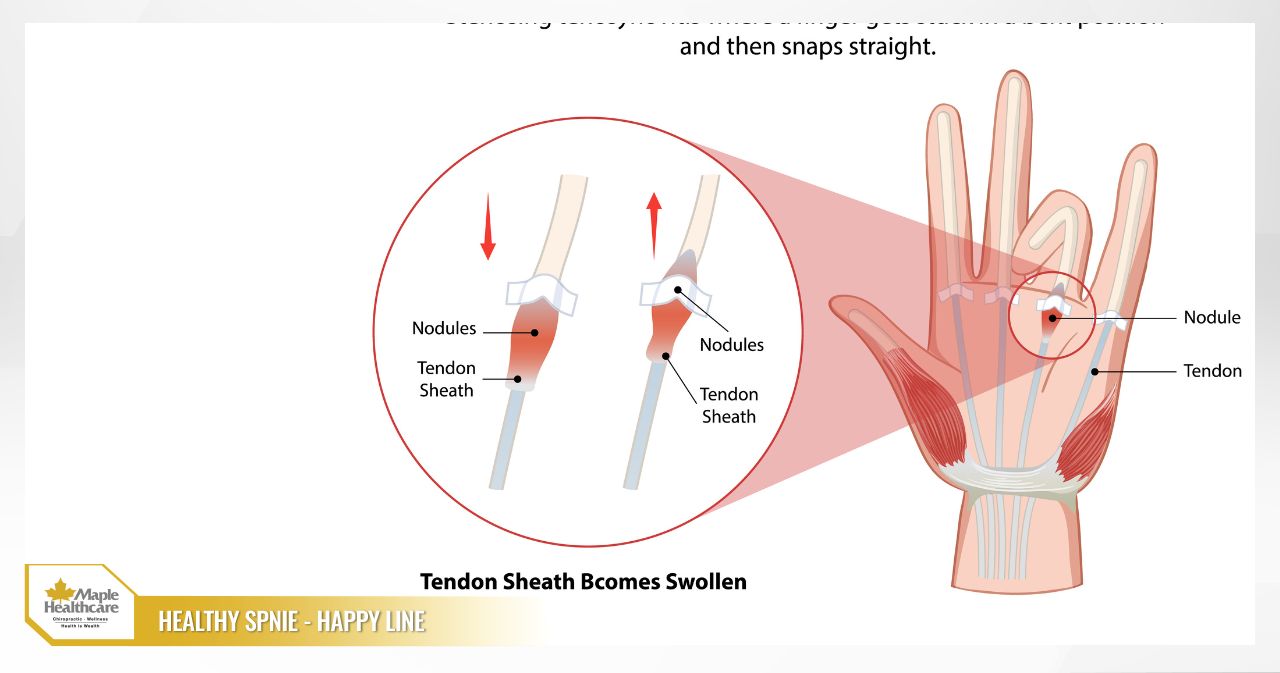
Trigger finger, known medically as stenosing tenosynovitis, is a condition in which the tendon sheath surrounding the flexor tendons of the fingers becomes inflamed and thickened. This narrows the tunnel through which the flexor tendon glides, particularly at the A1 pulley — located at the base of the finger on the palm side.
To picture this more clearly, imagine the flexor tendon as a rope, and the pulley system as a series of tunnels that keep the rope gliding in the right direction as you bend and straighten your finger. When stenosing tenosynovitis develops, the tunnel at the A1 pulley becomes narrowed. The flexor tendon — the “rope” — may become inflamed and develop a small nodule or thickened section, making it difficult to glide smoothly through the narrowed tunnel.
The characteristic “snapping” sensation of trigger finger occurs as follows:
- When you try to bend your finger, the nodule on the tendon catches just in front of the A1 pulley.
- When you apply force to straighten it, the nodule must forcefully “pop” through the tight passage, producing a clicking sound and a spring-like snapping sensation — which is precisely why this condition is called trigger finger.
This condition can affect any finger, but most commonly involves the thumb, middle finger, and ring finger. In some cases, a person may have multiple fingers affected at the same time. The terms trigger finger, trigger digit, flexor tenosynovitis, and stenosing tenosynovitis all refer to the same condition.
Signs and Symptoms of Trigger Finger
Symptoms of trigger finger can range from mild to severe. Recognising them early allows for more timely and effective management.
- Snapping, catching, or locking of the finger: This is the most characteristic sign. You may feel the finger catching or sticking when bending or straightening it, then suddenly snapping free. This is often worse in the morning after waking up or after a period of keeping the finger still.
- Finger locked in a bent position: In more advanced cases, the finger may become completely stuck in a bent position, requiring you to use your other hand to passively straighten it.
- Pain at the base of the finger: You may feel pain at the base of the affected finger on the palm side, right at the location of the A1 pulley.
- A palpable nodule or lump: When you press on the tender area at the base of the finger, you may feel a small lump or nodule. This is the inflamed and thickened portion of the tendon sheath.
- Stiffness and reduced range of motion: The affected finger may become stiff and difficult to fully bend or straighten, making gripping activities challenging.

Causes and Risk Factors
The exact cause of trigger finger is not always clear, but specialists believe it typically involves a combination of contributing factors.
Repetitive Activities and Occupations
- Repetitive hand movements: Jobs or hobbies that require sustained, repetitive bending and gripping of the fingers over long periods are among the leading risk factors.
- High-risk occupations: This group includes office workers (who use a mouse and keyboard continuously), factory workers, farmers, tailors, craftspeople, musicians (such as guitarists and pianists), as well as frequent gamers or heavy smartphone users.
- Use of vibrating tools: Work involving drills or cutting machines increases strain on the tendons and pulley system of the hand.

Underlying Health Conditions and Physiological Factors
- Diabetes: This is a particularly significant risk factor. People with diabetes are considerably more likely to develop trigger finger compared to the general population. The condition also tends to be more severe, affecting multiple fingers, and may respond less well to conservative treatments.
- Rheumatoid arthritis and gout: These chronic inflammatory joint conditions can cause tendon sheath inflammation and increase the risk of trigger finger.
- Thyroid disorders: Hypothyroidism has also been associated with this condition.
- Sex and age: Women, particularly those between the ages of 40 and 60, are more commonly affected than men.
- Pregnancy and the postpartum period: Hormonal changes and fluid retention during and after pregnancy can cause tendon sheath swelling, temporarily increasing the risk of trigger finger.
Injury and Trauma
Direct trauma to the palm or previous hand surgery (such as carpal tunnel release) can leave scar tissue and lead to thickening or adhesions of the tendon sheath, potentially resulting in trigger finger.
Grading the Severity of Trigger Finger
Grading helps guide appropriate treatment decisions. Based on clinical presentation, trigger finger is generally classified into the following levels:
- Grade 1 (Mild): Pain is present at the base of the finger, and a nodule may be felt, but there is no catching or locking.
- Grade 2 (Moderate): The finger catches or snaps during movement, but the person is still able to actively straighten it on their own.
- Grade 3 (Severe): The finger locks in a bent position. The person cannot straighten it independently and must use the other hand to assist.
- Grade 4 (Very Severe): The finger is rigidly fixed in a bent position and cannot be straightened even with the assistance of the other hand. This represents a contracture and joint deformity.
The significance of grading lies in treatment planning: at mild and moderate stages, conservative approaches are generally preferred. At severe and very severe stages, or when conservative care has not been effective, interventions such as corticosteroid injection or surgery may be considered.
Diagnosing Trigger Finger
Diagnosis of trigger finger is primarily based on a clinical examination. Your doctor will:
- Take a medical history: Asking about your symptoms (pain, locking, snapping), when they began, your occupation, daily habits, and any underlying health conditions.
- Perform a physical examination: You will be asked to bend and straighten your finger so the doctor can observe any catching or snapping. They will also gently press on the base of the finger to identify the tender point and feel for a nodule at the A1 pulley.
In most cases, imaging tests are not required for diagnosis. However, tendon ultrasound may be requested in atypical presentations to confirm tendon sheath inflammation and thickening, or to rule out other causes. X-rays are generally not necessary unless there is concern about underlying bone or joint problems.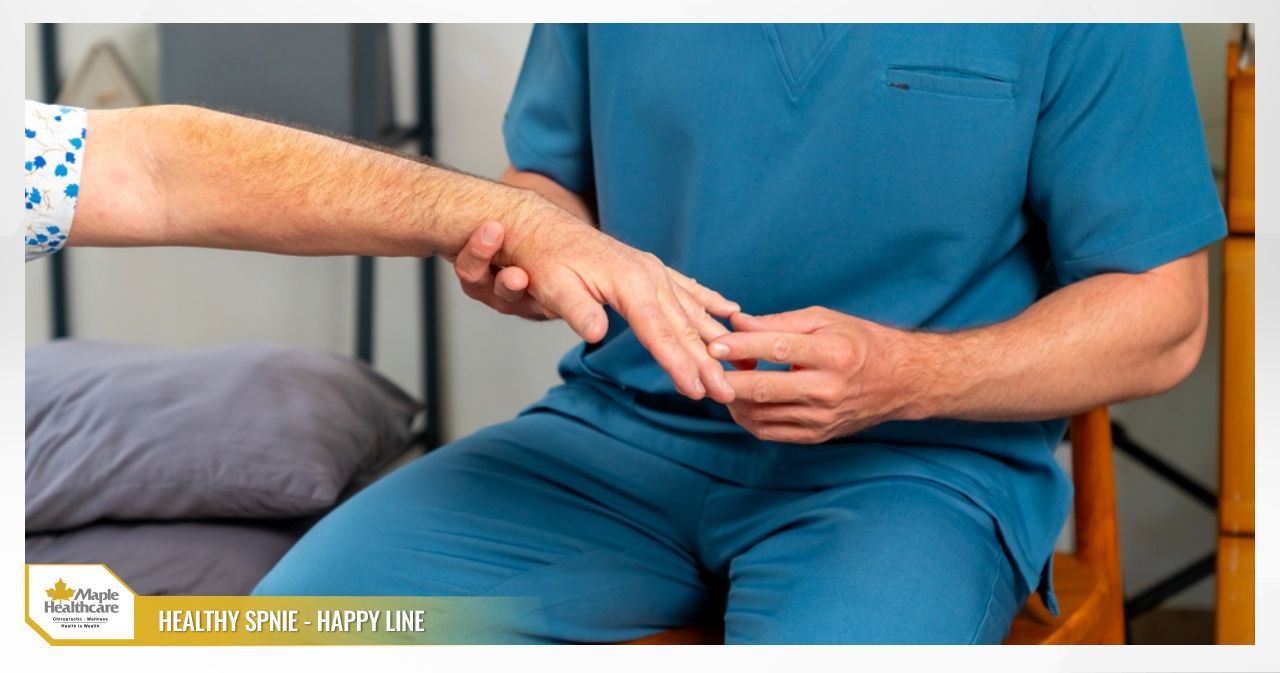
Non-Surgical Treatment for Trigger Finger
The encouraging news is that the majority of trigger finger cases can be meaningfully improved through conservative treatment — particularly when addressed early.
Rest and Activity Modification
This is the first and most important step. You should reduce or temporarily avoid activities that cause pain, particularly repetitive gripping, squeezing, or pinching. Modifying your habits and using padded-handle tools can also help reduce strain on the finger.
Finger Splinting
A splint is used to hold the affected finger in a straight (extended) position, especially at night. This prevents the finger from curling during sleep, allowing the tendon and its sheath to rest, reducing inflammation and easing morning stiffness and locking.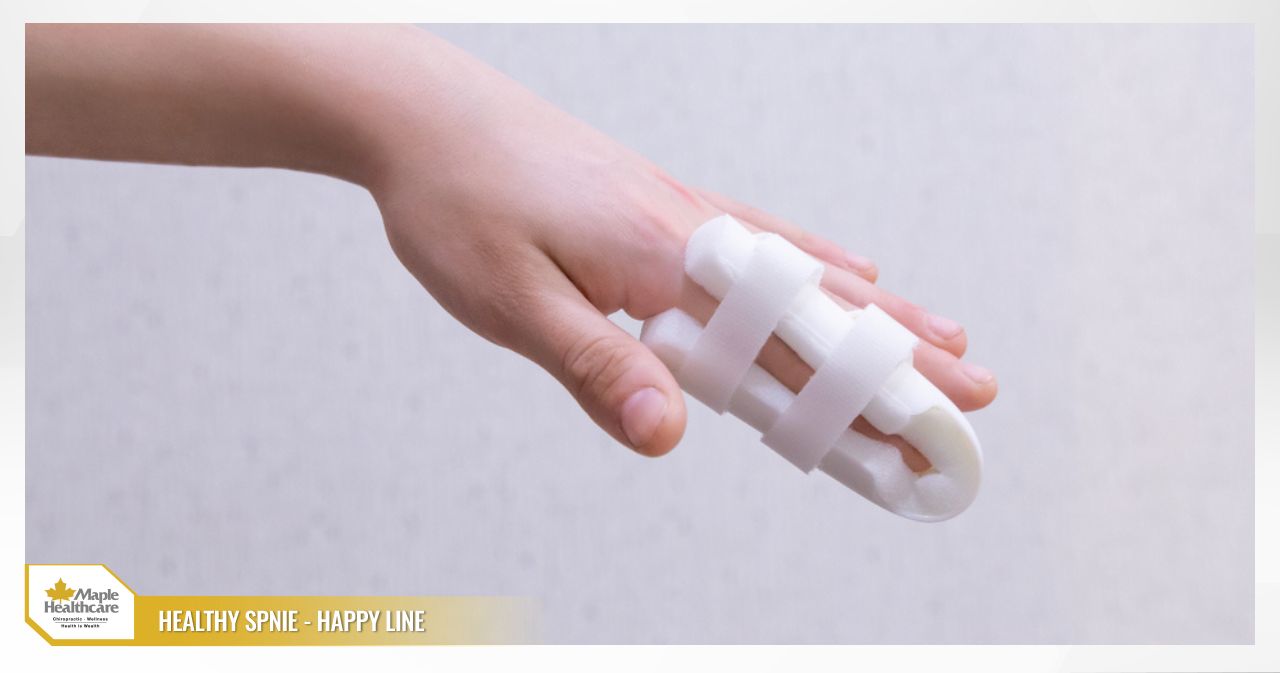
Medication and Hot/Cold Therapy
- Non-steroidal anti-inflammatory drugs (NSAIDs): Oral or topical gel formulations may help reduce pain and inflammation. Always follow your doctor’s guidance, and avoid self-medicating beyond the recommended duration.
- Hot and cold therapy: Applying ice for 10–15 minutes can help reduce pain and swelling during an acute flare. Gentle warmth may help relax the surrounding tissues and improve circulation before performing light stretching exercises.
Physiotherapy
Physiotherapists may use techniques such as soft tissue massage, therapeutic ultrasound, or laser therapy to reduce inflammation and pain, break down mild adhesions, and help restore smoother tendon gliding.
Corticosteroid Injection Around the A1 Pulley
This is one of the most effective conservative treatment options. A doctor will inject a small amount of corticosteroid — a potent anti-inflammatory medication — into the area surrounding the narrowed tendon sheath at the A1 pulley.
- Effectiveness: The medication works to reduce inflammation, allowing the tendon sheath to become less swollen so the tendon can glide more freely. Success rates can reach 60–90%, particularly in people without diabetes.
- Number of injections: In general, no more than 1–2 injections are recommended per finger. If injections do not provide sufficient relief, your doctor will discuss other options.
- Important note: In people with diabetes, corticosteroid injections may cause a temporary rise in blood sugar levels, and treatment outcomes may be less predictable. This procedure must be prescribed and performed by a qualified doctor.
Surgical Treatment
Surgery is considered when conservative treatments — including corticosteroid injections — have not provided adequate relief, or when the finger is locked in a fixed position and function is significantly impaired.
- Surgical goal: To cut or release the A1 pulley, creating more space for the flexor tendon to glide freely.
- Surgical approaches:
- Open release: The surgeon makes a small incision in the palm to directly visualise and divide the A1 pulley. This is a well-established, safe method with a very high success rate (>95%).
- Percutaneous release: A specialised needle is used to release the A1 pulley through a small puncture in the skin. This minimally invasive approach leaves no visible scar and offers a faster recovery, though it requires an experienced surgeon.
- Recovery: Surgery is typically performed under local anaesthesia and is done as a day procedure, meaning you can go home the same day. Early finger movement is encouraged post-operatively to prevent stiffness. Full recovery for return to physically demanding work may take several weeks.
Helpful Exercises for Trigger Finger
These exercises should be performed gently, within a pain-free range. Stop if your symptoms worsen.
Tendon Gliding Exercises
These exercises promote smooth tendon movement within the sheath. Move through the following sequence, holding each position for 3–5 seconds. Repeat 5–10 times, 2–3 times per day.
- Start with your hand open and fingers fully extended.
- Bend only the fingertips (the “hook” position).
- Bend the fingers to form a flat surface, keeping the knuckles straight (the “tabletop” position).
- Curl the middle joints of the fingers down (the “straight fist” position).
- Make a full fist (only if this does not cause pain or locking).
Flexor Tendon Stretching
Use your other hand to gently extend the affected finger as straight as possible without causing pain. Hold for 15–20 seconds and repeat several times.
Soft Ball Squeezing
Gently squeeze a soft foam ball or similar object in the palm of your hand, hold for a few seconds, then release. This exercise can help gently strengthen the muscles of the hand.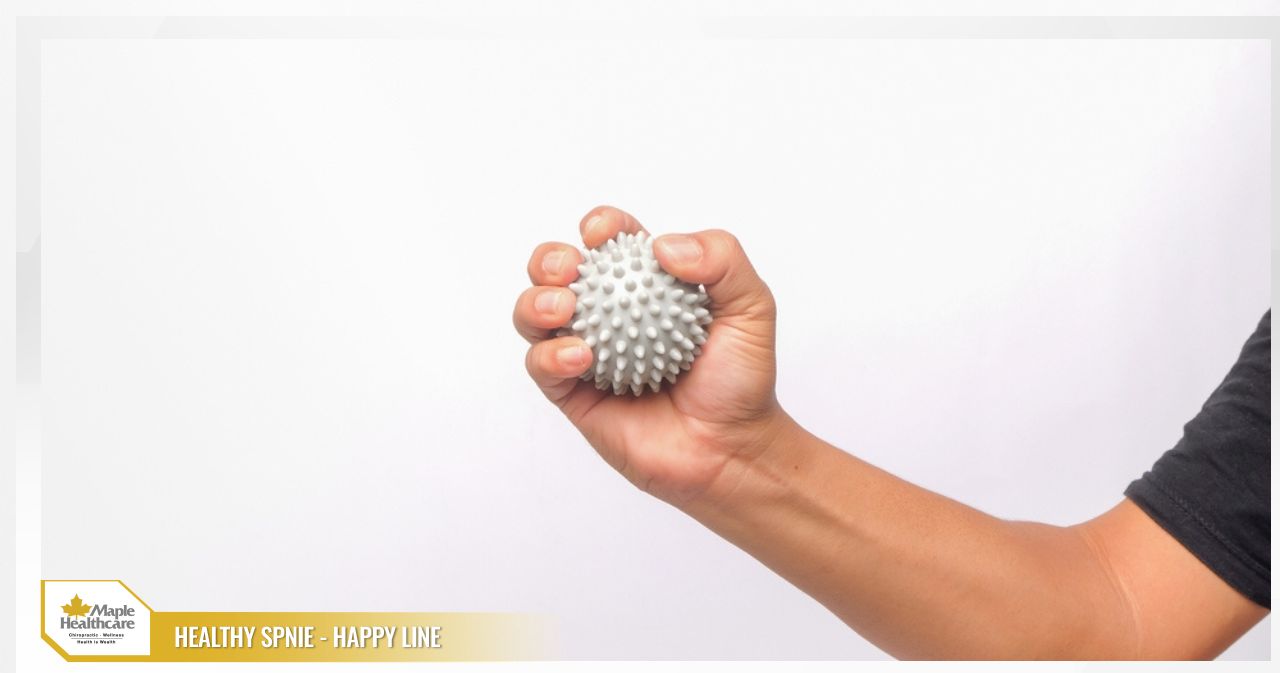
Home Care and Recovery After Intervention
- After a corticosteroid injection: Rest and avoid strenuous hand activities for 1–2 days. Monitor for signs of infection such as increased swelling, warmth, redness, or worsening pain.
- After surgery: Keep the wound clean and dry. Change the dressing as directed by your surgeon. Begin gentle finger movement early as advised, to prevent stiffness and tendon adhesions.
Prevention and Reducing the Risk of Recurrence
- Ergonomic adjustments: Use ergonomically designed work tools, keyboards, and mice. Adding padded grips to hand tools can help reduce the force required when gripping.
- Regular rest breaks: Apply the “20-20 rule”: after every 20 minutes of repetitive hand activity, give your hands a rest of 20–30 seconds and perform a few gentle finger extension stretches.
- Avoid overexertion: Gradually increase the intensity of physical tasks or work activities rather than making sudden increases in demand.
- Manage underlying health conditions: This is a key factor. If you have diabetes, maintaining stable blood sugar levels can significantly reduce the risk of developing trigger finger or experiencing a recurrence.

Special Considerations: Children and Pregnant Women
- In children (trigger thumb): This condition in children typically affects the thumb and is known as trigger thumb. Some cases may resolve on their own, but if the thumb remains persistently locked, surgical release of the A1 pulley is generally recommended to support normal development of the child’s hand function.
- During pregnancy and the postpartum period: Trigger finger in this context is often related to fluid retention and hormonal changes. Conservative treatments such as splinting and physiotherapy are typically preferred. In many cases, symptoms may improve naturally after delivery.
When Should You See a Doctor?
Please consider seeing a specialist in musculoskeletal medicine or orthopaedics if you experience any of the following:
- Symptoms have not improved after 4–6 weeks of home care.
- Your finger is locked and you cannot straighten it on your own.
- Significant pain that is affecting your work or daily activities.
- Signs of possible infection at the base of the finger, such as swelling, warmth, or redness.
- You have an underlying condition such as diabetes or rheumatoid arthritis.
Trigger finger is a common musculoskeletal condition that can be effectively managed with the right approach. The key lies in recognising symptoms early, adjusting daily habits and work practices, and pursuing appropriate treatment. Most cases respond well to conservative options such as rest, splinting, physiotherapy, and corticosteroid injection. Surgery remains a reliable option for more severe or refractory cases and carries a high success rate.
If your symptoms persist, keep recurring, or are affecting your quality of life, it is worth seeking a professional evaluation sooner rather than later. At Maple Healthcare in Ho Chi Minh City, our clinicians can carry out a thorough assessment and work with you to develop a personalised management plan. Where possible, we prioritise non-surgical, non-pharmacological approaches — including physiotherapy, rehabilitation, and targeted exercise programmes — to help you regain comfortable hand function and get back to the activities that matter to you.
FAQ: Common Questions About Trigger Finger
Can trigger finger resolve on its own?
Answer: Very mild cases may improve with rest and activity modification alone. However, most moderate to severe cases are unlikely to resolve fully without some form of medical treatment.
Is a corticosteroid injection painful, and is it safe?
Answer: You may feel a brief stinging sensation during the injection. Overall, it is a relatively safe and effective procedure when performed by an experienced doctor under sterile conditions.
How long after surgery can I return to work?
Answer: For light office-based work, many people are able to return within a few days to 1–2 weeks. For physically demanding work, recovery may take 3–6 weeks or longer, depending on each individual’s healing progress.
Related articles:
Forward Head Posture: Causes, Symptoms and How to Improve It
Contact for consultation
MAPLE INTERNATIONAL CO., LTD
Phone: 0705 100 100
Tax code: 0311948301
Date Range: 21 - 08 - 2012
Issued: Department of Planning and Investment of Ho Chi Minh City
Healthcare Group Members



Contact Us
COPYRIGHT