
Is a dull ache or sharp pain on the outside of your hip disrupting your daily life, especially when you lie on your side, walk, or climb stairs? If so, you might be experiencing hip bursitis. This is one of the most common causes of hip pain, arising from the inflammation of the fluid-filled sacs that cushion the hip joint, often due to repetitive friction.
Many people worry and mistake this pain for more serious conditions like hip arthritis or sciatica. However, the good news is that most cases of hip bursitis can be effectively managed and treated with conservative, non-surgical methods.
In this in-depth article, the team of specialists at Maple Healthcare will walk you through everything you need to know: from the root causes and how to recognize early symptoms, to accurate diagnostic methods, comprehensive treatment plans, and especially, detailed rehabilitation exercises you can start safely.
What Is Hip Bursitis and How Does It Differ From Other Conditions?
Surrounding the body’s large joints, like the hip, are small, fluid-filled sacs called bursae. They act as cushions, helping to reduce friction between bones, tendons, muscles, and ligaments as we move.
Hip bursitis (specifically trochanteric bursitis) is a condition where one or more of these bursae become irritated and inflamed. When inflamed, the bursa swells and produces more fluid, causing localized pain and discomfort.
Quickly Differentiating from Other Hip Pain Conditions
An incorrect diagnosis can lead to the wrong treatment. Here is a simple way to distinguish between them:
- Compared to Hip Synovitis: Synovitis is inflammation of the lining inside the joint, causing pain that spreads throughout the entire hip. In contrast, bursitis causes pain at a specific point on the outside of the joint.
- Compared to Hip Arthritis: The pain from arthritis is typically deeper and duller, accompanied by significant morning stiffness (lasting over 30 minutes) and limited internal and external rotation of the hip.
- Compared to Sciatica: Sciatica is characterized by pain that radiates from the lower back or buttock down the back of the thigh and leg. This pain is often accompanied by numbness, tingling, or muscle weakness, unlike the localized point pain of hip bursitis.
Anatomy and Mechanism of Hip Bursitis
The hip has several bursae, but these three are the most commonly inflamed:
- Trochanteric Bursa: Located on the outer point of the hip. This is the most common site of inflammation, causing the characteristic pain on the outside of the hip.
- Iliopectineal Bursa: Located at the front of the hip, in the groin area. Inflammation here causes pain in the groin, which worsens when you bend or extend your hip.
- Ischial Bursa: Found beneath the buttock, near the sit bone. Inflammation of this bursa causes deep buttock pain, which is especially worse when sitting for long periods on a hard surface.
The primary mechanism of the condition is “excessive friction.” When muscles and tendons glide back and forth over a bursa repetitively or with too much pressure, the bursa becomes irritated. The body responds by creating inflammation and increasing fluid production, leading to swelling and pain. This situation is worsened by muscle imbalances, especially weakness in the gluteus medius—a key muscle for stabilizing the pelvis during walking.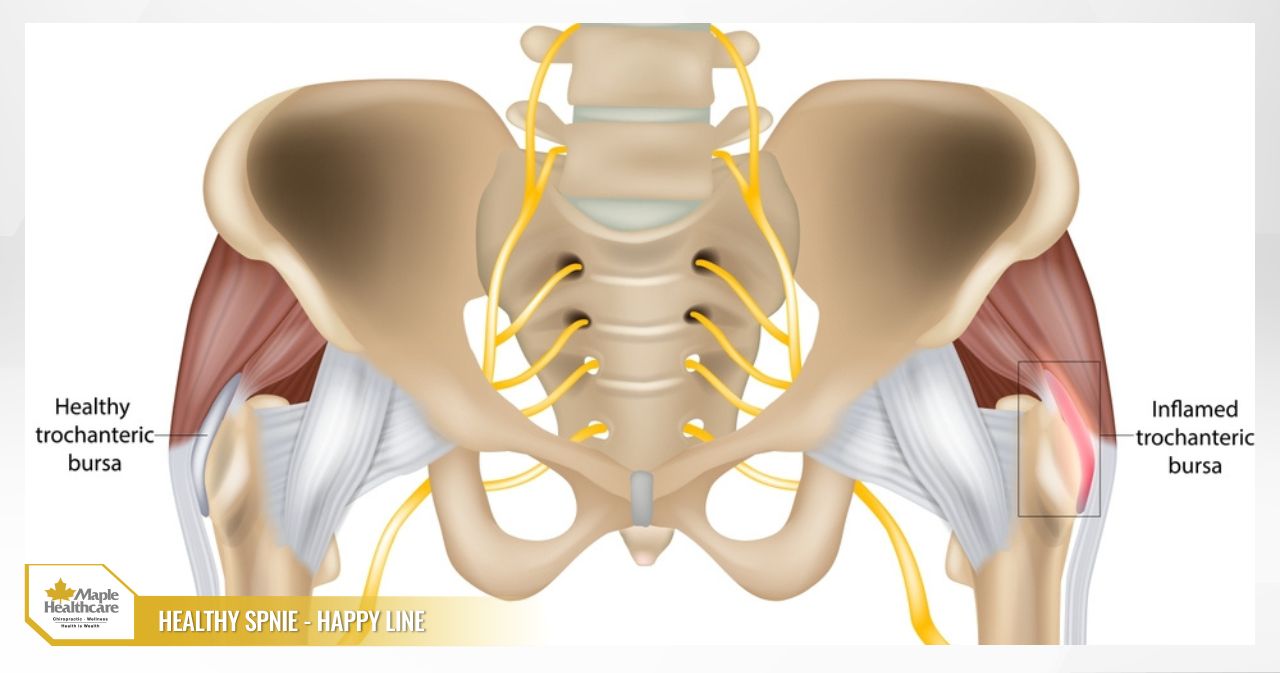
Causes and Risk Factors for Hip Bursitis
This condition rarely develops on its own and is often the result of a combination of factors:
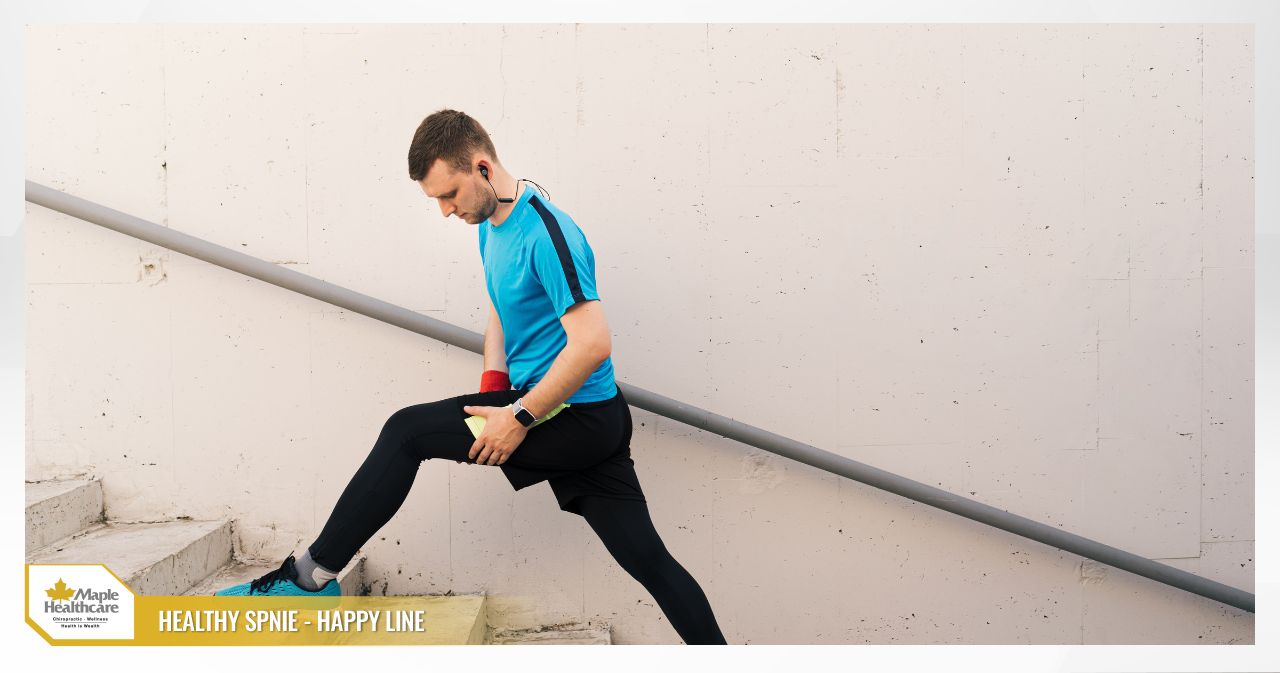
- Overuse: This is the leading cause. Repetitive activities like running, frequent stair climbing, hiking, cycling, or standing for long periods can irritate the bursa.
- Direct Injury: A fall or a hard blow directly to the hip area can cause inflammation.
- Prolonged Poor Posture: The habit of lying on one side for extended periods creates continuous pressure on the trochanteric bursa.
- Musculoskeletal and Structural Issues: Leg-length discrepancy, scoliosis, or bone spurs around the hip joint.
- Underlying Medical Conditions: Systemic inflammatory diseases like rheumatoid arthritis, gout, or metabolic conditions like diabetes and obesity also increase the risk.
- Personal Factors: The condition is more common in women and middle-aged or older adults.

Symptoms and Signs of Hip Bursitis
The main symptom of hip bursitis is pain, but its nature and location will help you and your doctor make a more accurate diagnosis.
Pain Specific to Location
- Trochanteric Bursitis: A sharp or aching pain on the outside of the hip, which may radiate down the outer thigh. The pain worsens when lying on the affected side, getting up after sitting for a long time, walking, climbing stairs, or pressing on the most prominent point on the outer hip.
- Iliopectineal Bursitis: Pain in the groin area (front of the hip), increasing with excessive hip flexion or extension.
- Ischial Bursitis: Pain in the buttock area, which becomes noticeably worse when sitting on a hard chair for a long time.
Associated Signs
- Mild stiffness in the morning or after prolonged sitting.
- Possible swelling or mild warmth in the painful area.
- A “clicking” or “popping” sound when moving the hip joint.

When to See a Doctor Immediately
Although most cases can be managed at home, you should seek immediate medical attention from a doctor or specialist at Maple Healthcare if you have the following warning signs:
- Severe, sudden pain after an injury that prevents you from standing or walking.
- Significant swelling, redness, and warmth in the hip area, accompanied by fever or chills (a sign of suspected septic bursitis—a medical emergency).
- Pain that radiates down the leg with numbness, weakness, or loss of bowel/bladder control (a possible sign of nerve compression).
- Pain that does not improve or worsens after 2-4 weeks of self-care at home.
Diagnosing Hip Bursitis
To make an accurate diagnosis, our doctors and specialists will conduct a comprehensive examination.
Medical History and Physical Exam
The doctor will ask detailed questions about your work, lifestyle habits, and medical history. Next, they will perform physical tests, press on painful points, conduct functional tests like the Ober’s test (to assess the tightness of the iliotibial band or ITB) and the Trendelenburg sign (to check the strength of the gluteus medius), and observe your gait.
Diagnostic Imaging (If Needed)
- Ultrasound: This is a very effective imaging tool that helps the doctor clearly see the thickening and fluid collection in the bursa.
- X-ray: Often ordered to rule out other bone-related causes of pain, such as arthritis, bone spurs, or fractures.
- MRI: Considered in complex cases where a tendon tear or other pathologies inside the joint are suspected.
Treating Hip Bursitis: Prioritizing Conservative Methods
At Maple Healthcare in Ho Chi Minh City, we prioritize non-drug, non-surgical treatment methods to address the root cause of the problem and prevent recurrence.
Phase 1: Pain and Inflammation Reduction
- Activity Modification: “Relative rest” is key. Avoid activities that cause pain. When sleeping, lie on your back or on your non-painful side with a pillow between your knees.
- Ice Application: During the first 48-72 hours, apply an ice pack to the painful area for 15-20 minutes, several times a day.
- Physiotherapy: Using modalities like therapeutic ultrasound or high-intensity laser therapy to reduce pain and promote the healing process.
Phase 2: Functional Restoration and Biomechanical Correction
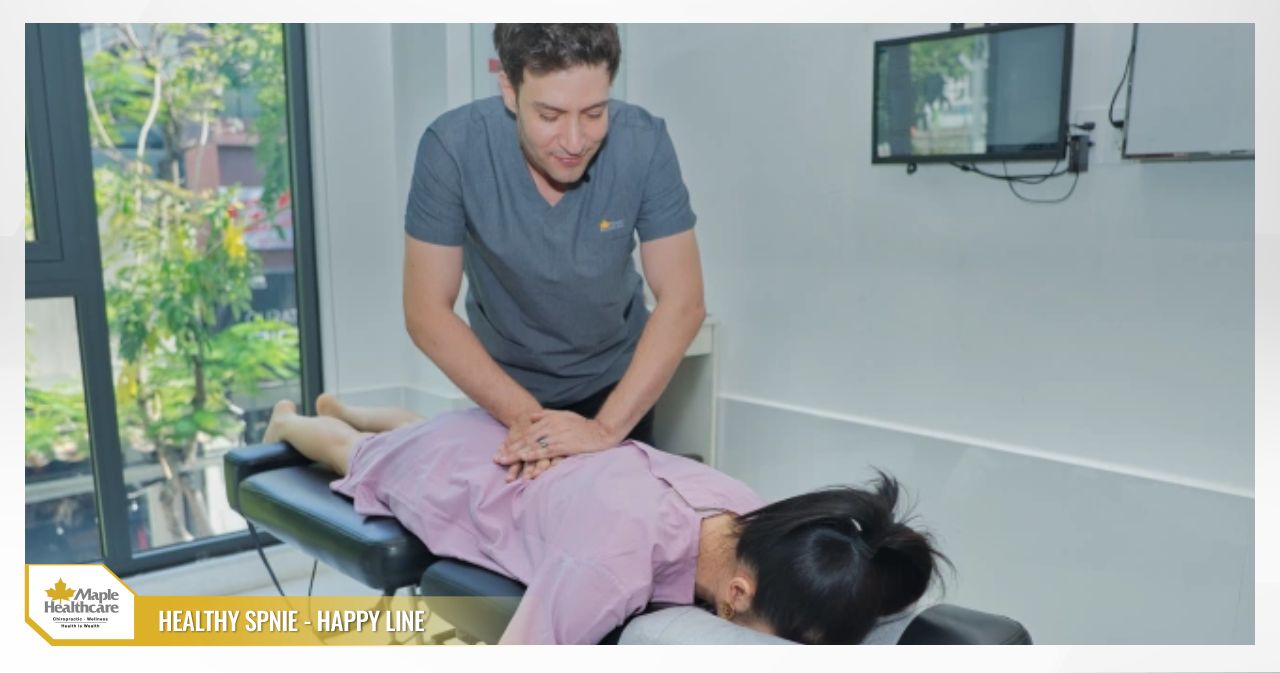
- Chiropractic Care: If the cause stems from a spinal or pelvic imbalance, a chiropractor will perform adjustments to restore proper alignment.
- Rehabilitation Exercises: This is the most crucial part. Our specialists will guide you through specific exercises to stretch and strengthen the relevant muscle groups.
Other Interventional Options (When Necessary)
- Corticosteroid Injections: A powerful anti-inflammatory solution for rapid pain relief, but its use is limited to avoid side effects.
- Surgery: Very rarely needed (in less than 5% of cases). Surgery is only considered when all conservative methods have failed.
Exercises and Rehabilitation for Hip Bursitis
Performing these exercises correctly is the best way to manage your pain and prevent the condition from returning. Always listen to your body and exercise within a pain-free range.
General Principles
- Always monitor your pain on a scale of 0-10. Only exercise if your pain level is below 3/10.
- Always warm up with a 5-minute gentle walk before exercising.
Stretching Exercises – Perform Daily
- IT Band Stretch: Stand straight and cross your painful leg behind your healthy leg. Lean your body toward the side of your healthy leg until you feel a gentle stretch on the outside of your painful hip. Hold for 20-30 seconds, repeat 3 times.
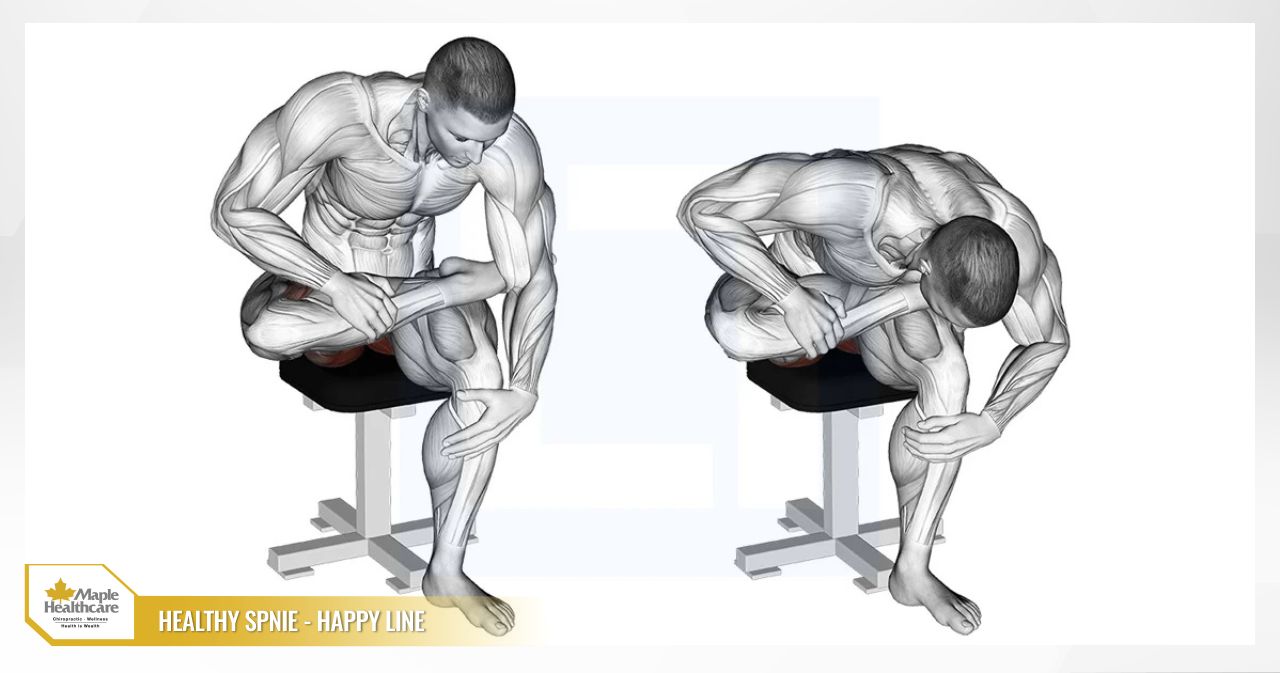
- Piriformis Stretch: Sit on a chair and cross the ankle of your painful side over the opposite knee. Keep your back straight and slowly lean forward until you feel a stretch in your buttock. Hold for 20-30 seconds, repeat 3 times.
Strengthening Exercises – Perform 3-4 times/week
- Clamshell: Lie on your side with the painful side up. Bend your knees to a 45-degree angle, with your heels together. Squeeze your glutes and slowly lift your top knee as high as you can without rotating your hips. Perform 3 sets of 15 reps.
- Side-lying Hip Abduction: Lie on your side with the painful side up and both legs straight. Squeeze your glutes and slowly lift your top leg straight up to about 30-45 degrees. Perform 3 sets of 10-15 reps.
- Bridge: Lie on your back with your knees bent and feet flat on the floor. Squeeze your glutes and lift your hips off the floor, creating a straight line from your shoulders to your knees. Hold for 3-5 seconds, then slowly lower. Perform 3 sets of 15 reps.

Preventing Recurrence of Hip Bursitis
After the pain is under control, maintaining good habits is very important:
- Increase Workout Intensity Gradually: Don’t increase your workout distance or intensity by more than 10% per week.
- Warm-up and Cool-down: Always take time to warm up before and stretch after each workout.
- Choose Proper Footwear: Wear well-fitting shoes that provide good support.
- Maintain a Healthy Weight: Lose weight if you are overweight to reduce pressure on your hip joints.
- Cross-training: Incorporate low-impact activities like swimming or stationary cycling.
FAQ: Frequently Asked Questions About Hip Bursitis
Is heat or ice better for hip bursitis?
Answer: During the first 48-72 hours of acute pain, you should use ice to reduce inflammation and swelling. After the acute phase, you can use heat before exercise to warm up the muscles or use ice after exercise to reduce pain.
Should I continue walking with hip bursitis?
Answer: You can take short, gentle walks if it does not increase your pain. If walking is painful, take a break and switch to non-weight-bearing activities like swimming or cycling with no resistance until the pain subsides.
Is hip bursitis dangerous?
Answer: Most cases of hip bursitis are not dangerous and respond well to conservative treatment. However, if you have symptoms like fever, redness, and warmth in the hip area, it could be a sign of infection and requires immediate medical attention.
How long does conservative treatment take to work?
Answer: Recovery time depends on the severity of the condition and your adherence to the treatment plan. Many patients feel significant pain relief after 2-4 weeks of active treatment. For a full recovery and to prevent recurrence, it may take anywhere from 6 weeks to several months of rehabilitation exercises.
Hip bursitis is a common condition that causes hip pain but is highly treatable, especially with early intervention using conservative methods. The key to recovery lies in identifying and modifying aggravating activities, combined with a specialized physiotherapy and rehabilitation exercise program.
Don’t let hip pain hold you back. If you are experiencing similar symptoms and they are not improving, take action today.
Please book an appointment at Maple Healthcare in Ho Chi Minh City to be examined by our leading musculoskeletal doctors and specialists, receive an accurate diagnosis, and get a personalized treatment plan that comprehensively combines Chiropractic Care and Physiotherapy & Rehabilitation. We are committed to partnering with you on your journey back to flexibility and a life with reduced pain.
Related Articles:
What Is Sciatica? Signs to Recognize and How to Treat Sciatic Nerve Pain
Shoulder Arthritis: Causes & Effective Treatment Options
How Dangerous Are the Complications of Spinal Degeneration, and How Can They Be Prevented?
Contact for consultation
MAPLE INTERNATIONAL CO., LTD
Phone: 0705 100 100
Tax code: 0311948301
Date Range: 21 - 08 - 2012
Issued: Department of Planning and Investment of Ho Chi Minh City
Medical Practice License: No. 08834/HCM-GPHĐ
Healthcare Group Members



Contact Us
COPYRIGHT