
Can chiropractic fix bad posture? Chiropractic care may help improve joint mobility and manage certain musculoskeletal symptoms that contribute to postural discomfort. However, posture is influenced by several factors, including muscle strength, movement habits, working conditions, and individual anatomy. A comprehensive posture correction chiropractic approach may combine manual therapy, targeted exercises, and ergonomic guidance to support better movement and everyday comfort.

Why Posture Matters for Your Health
The rise of posture problems
Modern routines often involve prolonged sitting, screen use, and limited physical activity. Working on laptops, looking down at mobile devices, and commuting for extended periods may contribute to muscle fatigue and discomfort in the neck, shoulders, and back.
Office workers, remote professionals, and students may spend several hours in the same position without regular movement breaks. In Ho Chi Minh City, long commutes and desk-based work can make these habits particularly common.
However, there is no single perfect posture that everyone must maintain. The ability to move comfortably, change positions, and maintain adequate muscle strength is often more important than holding one position throughout the day.
Health risks of bad posture
Prolonged or uncomfortable positions may contribute to muscle tension, stiffness, and musculoskeletal discomfort. Some people experience neck or lower back pain after sitting for extended periods, while others notice fatigue in their shoulders or upper back.
Posture alone does not explain every case of back pain, headache, nerve irritation, or fatigue. These symptoms can have several causes and may require medical evaluation when persistent or accompanied by other concerning signs.
A posture correction chiropractic assessment may help identify movement limitations and activities associated with discomfort. Treatment recommendations should reflect individual symptoms rather than assumptions about spinal alignment.
Signs you need posture correction
Some signs that may indicate a need to review your movement habits or seek a musculoskeletal assessment include:
- Recurring neck or shoulder tension after desk work.
- Lower back discomfort during prolonged sitting or standing.
- Difficulty moving the neck or back comfortably.
- Muscle fatigue during everyday activities.
- Concerns about uneven shoulders, rounded upper back, or movement patterns.
- Recurring discomfort associated with certain work or exercise activities.
Persistent tingling, numbness, weakness, or pain spreading into an arm or leg should be assessed by a healthcare professional. These symptoms are not necessarily caused by poor posture and may require further investigation.
Can Chiropractic Correct Bad Posture?
How spinal misalignment affects posture
The spine supports movement and helps the body adapt to different positions. Posture is influenced by joint mobility, muscle strength, coordination, habitual activities, and individual anatomical characteristics.
Restricted joint movement or muscle tension may contribute to discomfort and affect how a person moves. However, visible postural differences do not necessarily mean that vertebrae have shifted out of place.
Chiropractic techniques may help improve joint mobility and reduce certain musculoskeletal symptoms in appropriately selected patients. Changes in posture generally require a broader approach that may include strengthening exercises, movement practice, and lifestyle adjustments.
Chiropractic approach vs. other treatments
Several approaches can be used to address postural discomfort and movement limitations. Their suitability depends on the underlying condition, treatment goals, and individual assessment.
Chiropractic care commonly involves manual joint techniques, while physiotherapy may emphasize therapeutic exercise, physical rehabilitation, and movement training. Massage may provide temporary relief from muscle tension, and supportive devices may be appropriate for specific medical conditions.
These approaches are not necessarily competing treatments. They may be used separately or together when clinically appropriate.
| Treatment | Focus Area | Potential Benefits | Considerations |
|---|---|---|---|
| Chiropractic | Joint mobility and musculoskeletal symptoms | May improve mobility and help manage certain types of pain | Not suitable for every condition; requires clinical assessment |
| Physiotherapy | Strength, movement, and rehabilitation | Supports strength, flexibility, and physical function | Progress depends on the condition and treatment program |
| Postural braces | External support for selected conditions | May provide support when medically indicated | Not routinely necessary for ordinary postural habits |
When to See a Chiropractor for Posture Correction
You may consider a musculoskeletal assessment if you regularly experience neck, shoulder, or back discomfort associated with work, exercise, or everyday movements.
A chiropractor may assess joint mobility, movement patterns, muscle tension, and relevant lifestyle factors to determine whether chiropractic care is appropriate.
However, symptoms such as persistent numbness, tingling, muscle weakness, or severe headaches should not automatically be attributed to spinal misalignment. These may require medical assessment before any manual treatment is considered.
At Maple Healthcare, practitioners can discuss available posture correction chiropractic services and whether physiotherapy or rehabilitation may be suitable for your individual needs.
Chiropractic Techniques for Posture Alignment

Spinal adjustments and realignment
Chiropractors use controlled manual techniques to assess and treat selected joint restrictions. For some patients, spinal adjustments may help improve mobility and reduce certain types of musculoskeletal discomfort.
These techniques do not necessarily reposition displaced vertebrae or permanently change the natural curves of the spine.
Before performing an adjustment, the practitioner should review the patient's medical history, symptoms, and relevant risk factors. The potential benefits and risks should also be discussed.
In a posture correction chiropractic program, manual treatment may be combined with exercise and movement education when appropriate.
Targeted posture exercises recommended by chiropractors
Therapeutic exercises can help improve strength, flexibility, coordination, and the ability to maintain comfortable positions during everyday activities.
Depending on the assessment, exercises may target the neck, upper back, shoulders, core, or hips.
For example, a person who spends many hours working at a computer may benefit from strengthening the upper back muscles, improving shoulder mobility, and taking more frequent movement breaks.
Consistency is important, but exercises should be selected according to individual needs. Patients experiencing pain should avoid forcing movements that aggravate their symptoms.
Ergonomic advice and lifestyle modifications
Everyday habits can influence muscle fatigue and physical comfort. Chiropractors and rehabilitation professionals may review patients' working environments, sitting habits, exercise routines, and sleeping positions.
Recommendations may include adjusting monitor height, improving workstation support, changing positions regularly, and incorporating suitable physical activity.
These changes can complement treatment by helping patients manage the physical demands of work and daily life.
Key Techniques
- Manual spinal adjustments when clinically appropriate.
- Guided stretching to support flexibility and movement.
- Core and upper back strengthening exercises.
- Breathing and movement exercises when indicated.
- Ergonomic workstation adjustments.
- Regular movement breaks during desk work.
- Advice on comfortable rest and sleeping positions.
A comprehensive posture correction chiropractic approach may combine manual techniques, exercise, and lifestyle guidance. The most appropriate combination depends on the patient's symptoms and clinical assessment.
What to Expect in Your First Posture Correction Visit

Initial assessment
Your first appointment generally begins with a discussion of your medical history, current symptoms, lifestyle, and posture-related concerns.
The practitioner may assess movement, joint mobility, muscle strength, and any relevant neurological signs. Additional investigations, such as X-rays or MRI, may be considered when medically indicated, but they are not necessary for every patient.
The purpose of the assessment is to understand potential contributors to your discomfort and determine whether chiropractic care, physiotherapy, or another treatment approach may be suitable.
Personalized treatment plan
After the assessment, the practitioner discusses the findings and available treatment options.
Depending on the patient's needs, the plan may include chiropractic adjustments, physiotherapy, rehabilitation exercises, or guidance on everyday movement and work habits.
Short-term goals may focus on managing symptoms and improving mobility, while longer-term goals may involve building strength, developing suitable exercise habits, and maintaining physical function.
Patients should understand the proposed services, expected goals, potential risks, and treatment fees before beginning care.
Frequency of sessions and follow-up care
The number and frequency of chiropractic appointments vary depending on the patient's condition, symptoms, treatment goals, and response to care.
Some people may need only a short course of treatment and home exercises. Others with ongoing musculoskeletal concerns may require additional assessments or rehabilitation support.
There is no universal schedule requiring two or three chiropractic visits every week or monthly maintenance adjustments for all patients.
Regular reassessment helps determine whether the treatment plan remains appropriate and whether further sessions are necessary.
Benefits of Chiropractic Posture Correction
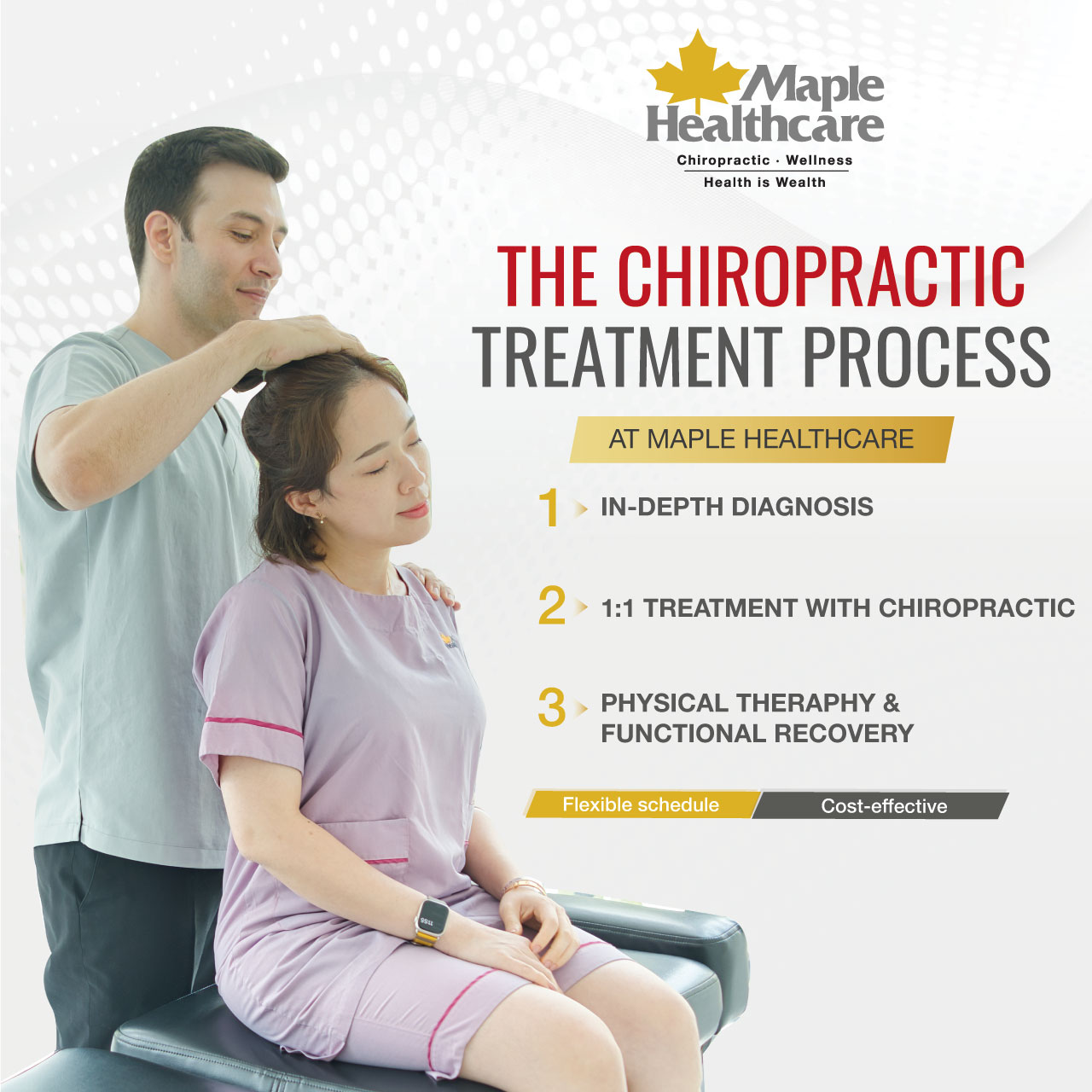
Physical benefits: pain relief and mobility improvement
For appropriately selected patients, chiropractic care may help manage certain types of neck or back pain and improve joint mobility.
Reduced discomfort can make some everyday activities easier, such as turning the neck, sitting at a desk, or participating in suitable exercise.
However, treatment responses vary. Chiropractic adjustments do not guarantee pain relief, structural correction, or improvements in every aspect of physical function.
Long-term benefits: movement habits and physical confidence
Long-term musculoskeletal health depends on a combination of physical activity, strength, movement habits, and appropriate management of underlying conditions.
A posture correction chiropractic program may include exercise and ergonomic education to help patients become more aware of comfortable movement patterns.
As patients improve their strength and confidence in movement, some may find everyday activities easier to manage.
There is no guarantee that chiropractic treatment will prevent future injuries or eliminate recurring pain. Any ongoing care should be based on individual clinical needs.
Performance benefits: mobility and daily activities
Comfortable movement and adequate muscle strength are important for work, exercise, and daily activities.
When musculoskeletal discomfort improves, some patients may find it easier to participate in activities they previously avoided.
Exercise programs targeting strength, flexibility, and coordination can support physical function. However, improvements in breathing capacity, energy, concentration, or athletic performance should not be assumed to result directly from spinal adjustments.
Top 5 Potential Benefits of Chiropractic Posture Care
- Management of selected types of musculoskeletal discomfort.
- Improved joint mobility in suitable patients.
- Greater awareness of movement and daily posture habits.
- Guidance on strengthening and mobility exercises.
- Support for comfortable participation in everyday activities.
These are potential benefits rather than guaranteed outcomes. The effectiveness of treatment depends on the patient's condition, assessment findings, and care plan.
How Maple Healthcare Helps Expats with Posture Issues
Internationally trained chiropractors with experience in musculoskeletal care
Maple Healthcare has internationally trained practitioners with experience in chiropractic and musculoskeletal care.
The clinical team assesses patients' medical history, movement limitations, and relevant symptoms before discussing treatment options.
Depending on individual needs, the recommended care may include chiropractic adjustments, physiotherapy, rehabilitation exercises, or other appropriate interventions.
Maple Healthcare also provides guidance on movement and daily habits that may contribute to musculoskeletal discomfort.
This approach allows posture correction chiropractic care to be considered within a broader plan rather than as a guaranteed solution for every postural concern.
English-speaking team for expat-friendly care
For international patients, clear communication can make the healthcare experience more convenient.
Maple Healthcare provides English-language communication support, allowing expats to discuss their symptoms, treatment goals, and available options.
The team can explain appointment procedures, service fees, relevant insurance arrangements, and follow-up recommendations.
Patients can also discuss suitable appointment schedules based on work, travel, and personal commitments.
Case examples
Patient experiences can illustrate how chiropractic and rehabilitation services are used for different musculoskeletal concerns. However, individual outcomes vary and should not be interpreted as guarantees of treatment effectiveness.
Daniela, a long-term patient who maintains an active exercise routine, has received care from Dr. Paul at Maple Healthcare. Her care has included chiropractic adjustments, lower back decompression techniques, and stretching guidance intended to address her musculoskeletal concerns.
Her experience demonstrates how physical activity, assessment, and individualized care may be combined according to a patient's needs.
Another patient, a professional boxer, sought care for recurring back tension, neck discomfort, and headaches associated with his demanding training routine.
Dr. Paul's care included chiropractic treatment and guidance aimed at supporting mobility and managing musculoskeletal symptoms.
This example reflects one patient's experience and does not establish that similar treatment will produce the same outcome for others.
Cost & Accessibility of Posture Correction in HCMC
Average cost per chiropractic session
The cost of posture correction chiropractic care in Ho Chi Minh City depends on the consultation, treatment services, and individual care plan.
At Maple Healthcare, an initial consultation costs VND 550,000. A chiropractic adjustment session is VND 1,100,000, while a combined chiropractic adjustment and physiotherapy session costs VND 1,650,000.
Other services include physiotherapy at VND 550,000 and rehabilitation at VND 1,100,000.
| Service | Price (VND) |
|---|---|
| Initial Consultation | 550,000 |
| Chiropractic Adjustment | 1,100,000 |
| Physiotherapy | 550,000 |
| Chiropractic Adjustment + Physiotherapy | 1,650,000 |
| Rehabilitation | 1,100,000 |
Note: Consultation and treatment fees are listed separately. The total cost depends on the services provided. Additional investigations or other services may involve separate charges when required.
Package options for expats
Maple Healthcare offers service packages for patients who wish to plan their musculoskeletal care in advance.
These packages use the clinic's MSP point system, with different point allocations and conditions depending on the package selected.
Available options include:
- Starter: 12 MSP – VND 6,000,000.
- Intro: 45 MSP – VND 22,275,000.
- Silver: 60 MSP – VND 28,050,000.
- Gold: 90 MSP – VND 39,600,000.
- Platinum: 120 MSP – VND 49,500,000.
- Diamond: 150 MSP – VND 57,750,000.
Package validity is 12 months for packages priced below VND 30 million and 24 months for packages priced above VND 30 million.
Platinum and Diamond packages may be shared among up to five family members, including the package holder, subject to the clinic's conditions.
Patients should review MSP conversion rules, eligible services, and package validity before purchasing. The suitability and financial value of a package depend on the services used and the individual's treatment needs.
Insurance & direct booking availability
Maple Healthcare provides appointment support in English and Vietnamese and offers direct billing arrangements with five insurance partners: April, Luma, Allianz, Pacific Cross Vietnam, and Liberty.
Direct billing eligibility depends on the patient's insurance policy, covered benefits, and insurer approval. Chiropractic or physiotherapy treatment is not automatically covered under every insurance plan.
If a patient does not qualify for direct billing or uses an insurance provider outside the clinic's partner network, the patient may pay directly and request supporting documents for a reimbursement claim.
Patients should contact Maple Healthcare and their insurance provider to clarify coverage before booking treatment.
Preventing Posture Problems After Treatment
Daily stretching routines for posture
Regular movement and stretching may help maintain flexibility and reduce stiffness associated with prolonged sitting.
Exercises such as gentle shoulder movements, chest stretches, and suitable hip mobility exercises may be useful depending on individual needs.
Stretching should be comfortable and should not reproduce sharp pain, numbness, or other concerning symptoms.
Patients recovering from an injury or managing a medical condition should follow exercises recommended by their healthcare professional.
Ergonomic setup for work/home
Workplace ergonomics can help reduce unnecessary strain and support comfortable movement during the day.
Consider adjusting your chair, monitor, and keyboard to positions that feel comfortable and allow your arms and shoulders to remain relaxed.
When working for long periods, changing positions and taking short movement breaks can help reduce stiffness.
No single posture needs to be maintained continuously. Regular movement is an important part of managing prolonged desk work.
Routine chiropractic check-ups
Follow-up appointments may be useful for patients with ongoing musculoskeletal symptoms or specific rehabilitation goals.
During a review, the practitioner may assess symptoms, joint mobility, physical function, and progress with recommended exercises.
However, routine chiropractic adjustments are not required for everyone and have not been shown to reliably prevent future postural problems or injuries.
The need for further treatment should be determined according to individual symptoms and clinical findings.
Conclusion
Chiropractic care may help improve joint mobility and manage certain musculoskeletal symptoms associated with postural discomfort. However, posture is influenced by multiple factors, and there is no single treatment that guarantees permanent correction.
A combination of appropriate clinical care, physical activity, strengthening exercises, and ergonomic adjustments may support more comfortable movement and daily function.
For expats in Ho Chi Minh City, posture correction chiropractic can be one component of an individualized musculoskeletal care plan when clinically appropriate.

Maple Healthcare provides chiropractic, physiotherapy, and rehabilitation services supported by internationally trained practitioners and English-speaking communication.
If you have concerns about posture, neck pain, back discomfort, or mobility, contact Maple Healthcare to discuss an appropriate assessment and available treatment options.
You can leave your information in the form below or contact us through MAPLE HEALTHCARE ON FACEBOOK.
Frequently Asked Questions About Chiropractic Posture Correction
Can chiropractic care permanently fix bad posture?
Chiropractic care may help improve joint mobility and reduce certain musculoskeletal symptoms, but it cannot guarantee permanent posture correction. Posture also depends on muscle strength, physical activity, individual anatomy, and daily movement habits. Exercises and ergonomic changes may be helpful alongside appropriate clinical treatment.
How long does it take to correct posture with chiropractic?
There is no fixed timeframe for improving posture-related concerns. Progress depends on the cause of discomfort, individual physical condition, treatment approach, and consistency with recommended exercises. Chiropractic treatment does not guarantee structural posture correction, and the need for follow-up sessions should be reviewed individually.
Is posture correction safe for kids and office workers?
Posture-related concerns can affect both children and adults, but appropriate care varies by age and medical condition. Office workers may benefit from movement exercises, ergonomic advice, and suitable musculoskeletal treatment. Children with persistent postural asymmetry or suspected spinal curvature should receive an appropriate medical assessment before manual treatment is considered. Chiropractic manipulation is not automatically suitable or risk-free for every patient.
Related articles:
Contact for consultation
MAPLE INTERNATIONAL CO., LTD
Phone: 0705 100 100
Tax code: 0311948301
Date Range: 21 - 08 - 2012
Issued: Department of Planning and Investment of Ho Chi Minh City
Medical Practice License: No. 08834/HCM-GPHĐ
Healthcare Group Members



Contact Us
COPYRIGHT