
De Quervain's Tenosynovitis: Everything You Need To Know
Do you often feel a sharp, stabbing pain on the thumb side of your wrist after carrying your baby, doing household chores, or even just holding your phone? Many people assume this is ordinary wrist pain caused by tired muscles. However, if the pain is clearly localized and worsens when you grip or rotate your wrist, there is a good chance you may be experiencing De Quervain’s tenosynovitis.
In essence, De Quervain’s tenosynovitis is the inflammation and narrowing of the tendon sheath in the wrist, just at the base of the thumb. This condition, also referred to as De Quervain’s syndrome, causes pain when the tendons must glide through an inflamed and thickened sheath tunnel. It is particularly common in women between the ages of 30 and 50, new mothers, and individuals whose work or daily habits require repetitive movements of the wrist and thumb.
This article takes an in-depth look at what De Quervain’s tenosynovitis is, how to recognize its signs, what causes it, how it is accurately diagnosed, and what treatment options and prevention strategies are available — helping you regain comfort in your everyday activities.
What Is De Quervain’s Tenosynovitis?
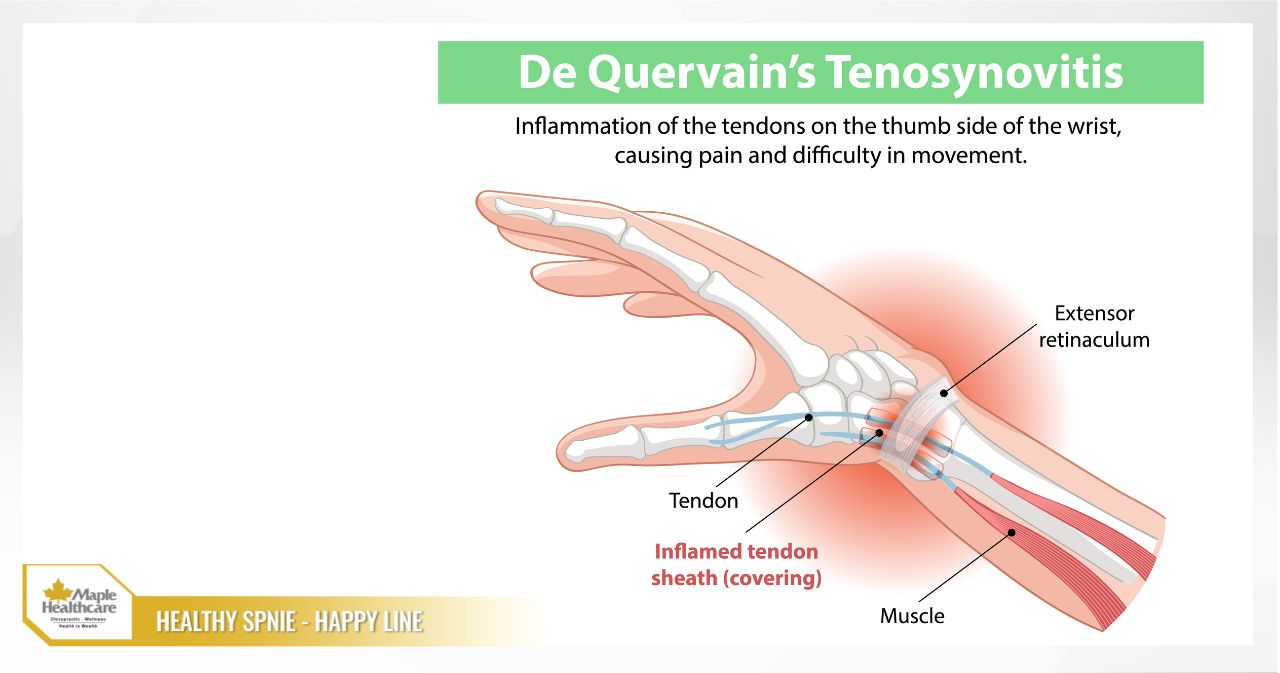
Although commonly referred to simply by its name, the more precise medical term is De Quervain’s tenosynovitis. This is an inflammation of the tendon sheath — a tunnel-like structure that surrounds and protects two important tendons of the thumb as they pass through the wrist.
The two tendons affected are:
- The Abductor Pollicis Longus (APL)
- The Extensor Pollicis Brevis (EPB)
Both of these tendons pass through a narrow tunnel called the first dorsal extensor compartment, located at the radial styloid process — the bony prominence on the thumb side of the wrist.
How the pain develops:
When you repeatedly grip, pinch, rotate your wrist, or extend your thumb, the APL and EPB tendons must glide continuously inside the sheath. If this friction becomes excessive, the sheath becomes irritated, triggering an inflammatory response. Once inflamed, the sheath swells, thickens, and narrows the tunnel from the inside. At that point, every movement of the thumb causes the tendons to rub more forcefully against the sheath wall, producing pain, swelling, and sometimes a catching or grating sensation.
How it differs from ordinary wrist pain:
Unlike the diffuse discomfort of a sprain or muscle fatigue, the pain associated with De Quervain’s syndrome is quite distinctive:
- Pain is sharply localized at a specific point on the wrist, just at the base of the thumb.
- The pain intensifies with specific movements such as making a fist, pinching an object, rotating the wrist (like opening a bottle cap), or when performing the Finkelstein test.

Who Is Most at Risk for De Quervain’s Tenosynovitis?
De Quervain’s tenosynovitis can affect anyone, but certain groups of people are at higher risk due to the nature of their work, daily habits, or physiology. De Quervain’s syndrome is most commonly seen in the following groups:
- Women between 30 and 50 years of age: This is the most commonly affected group, possibly related to household activities, work demands, and hormonal changes at certain stages of life.
- Postpartum women and those caring for a young baby: This is a very high-risk group. Actions such as lifting a baby, supporting an infant’s head, changing nappies, and breastfeeding often require the wrist to remain bent or tilted for extended periods. In particular, incorrect carrying posture that places excessive load on the wrist and thumb is a leading cause of this condition.
- People whose work involves repetitive wrist and thumb movements:
- Office workers: Continuous use of a mouse, keyboard, and mobile phone.
- Heavy smartphone users: The habit of using one thumb to scroll and swipe for long periods of time.
- Those who do household chores: Actions such as wringing cloths, doing laundry, chopping food, and carrying heavy bags all place strain on the wrist tendons.
- Craft workers and tradespeople: Tailors, carpenters, hairdressers, musicians, and others who regularly use handheld tools or instruments.
- People with inflammatory arthritis: Those with rheumatoid arthritis or other systemic inflammatory joint conditions are at higher risk due to an existing baseline of inflammation.
- People with a history of wrist injury: A direct blow to the wrist area, or accumulated micro-traumas over time, can trigger an inflammatory response within the tendon sheath.
Causes of De Quervain’s Tenosynovitis
The causes of De Quervain’s tenosynovitis rarely stem from a single acute injury. Instead, the condition is primarily the result of repetitive overloading of the wrist and thumb, which increases friction between the tendons and the sheath.
The main contributing factors include:
- Excessive repetitive wrist and thumb movements: Repeatedly gripping, pinching, twisting, and extending the thumb over long periods is the most common cause. This constant friction creates micro-damage, leading to inflammation, swelling, and narrowing of the tendon sheath.
- Lifting and caring for a baby: The posture of carrying a baby — particularly lifting a child up from under the arms with the wrists tilted toward the little finger — places considerable strain on the thumb-side tendons.
- Household chores: Daily activities such as wringing out cloths, opening jars, holding a heavy frying pan, or carrying shopping bags can all contribute to De Quervain’s syndrome.
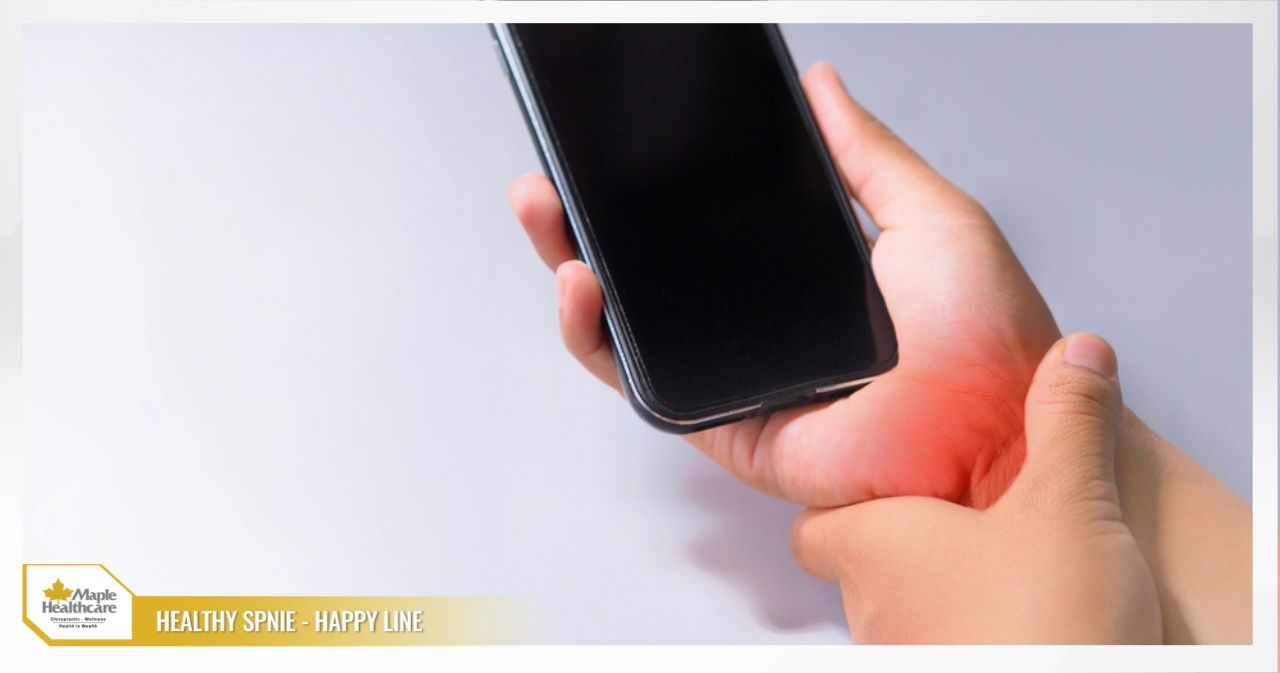
- Use of electronic devices: Holding a phone and scrolling with the thumb for hours at a time, or using a computer mouse with the wrist held in an awkward position, are modern-day risk factors.
- Manual work and skilled trades: Occupations requiring a strong grip and twisting motions of the wrist, such as mechanics, carpenters, and gardeners.
- Wrist injury: A direct impact to the wrist area or a fall onto an outstretched hand can cause an acute inflammatory reaction within the tendon sheath.
- Inflammatory joint conditions: In rheumatoid arthritis, the immune system may attack the tendon sheaths, making them more susceptible to inflammation.
Common Symptoms of De Quervain’s Tenosynovitis
The symptoms of De Quervain’s tenosynovitis can develop gradually or appear suddenly. Pain typically worsens with use of the hand and thumb. The following are the most characteristic signs of De Quervain’s syndrome:
- Pain on the thumb side of the wrist: This is the primary symptom. Pain is localized at the radial styloid process, near the base of the thumb. It may begin as a dull ache, then become sharper and more intense with movement.
- Pain that worsens with gripping or rotating the wrist: Discomfort increases when performing actions such as picking up a bag, lifting a child, turning a key, opening a bottle, or using scissors.
- Swelling and warmth at the wrist: You may notice mild swelling on the thumb side of the wrist. The area may feel tender to the touch and sometimes slightly warmer than normal.
- Difficulty moving the thumb and wrist: A feeling of stiffness and difficulty extending the thumb away from the palm. Tasks requiring dexterity and thumb strength — such as holding small objects — can become painful.
- A “catching” or “grating” sensation: Some people may feel or hear a clicking or grinding sensation when moving the thumb. This indicates that the tendon is catching and rubbing as it moves through the narrowed sheath.
- Radiating pain: In more severe or long-standing cases, pain may radiate down the thumb toward the fingertip or spread upward into the forearm.
If the pain persists and is affecting your ability to grip or care for your child, it is important to see a doctor for a proper diagnosis and treatment plan rather than simply pushing through the discomfort.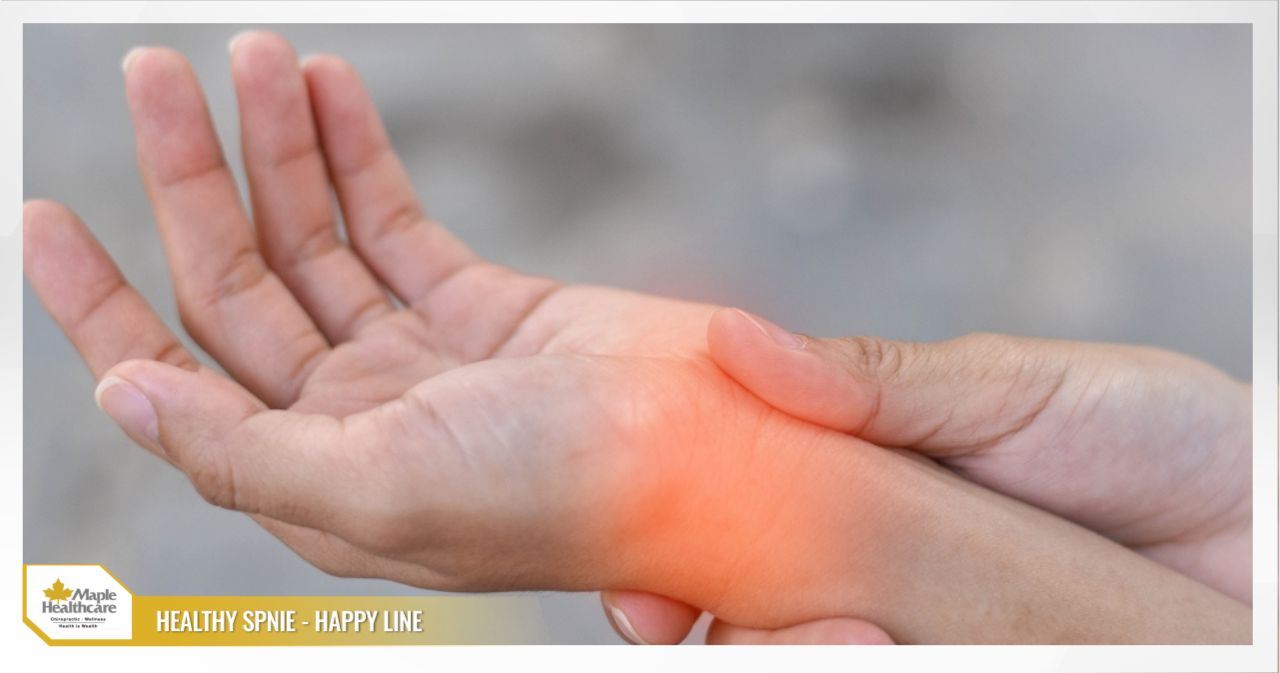
When Should You See a Doctor?
Many people tend to dismiss wrist pain in its early stages, but seeking medical attention promptly is important to prevent the condition from becoming chronic. You should see a specialist in Musculoskeletal Medicine or Orthopaedics, or a Physiotherapy clinician, if you experience any of the following:
- Pain on the thumb side of the wrist lasting more than one week with no signs of improvement despite rest.
- Pain severe enough to directly affect daily activities — such as being unable to carry your baby, struggling with household tasks, or finding it difficult to use a computer.
- Noticeable swelling, redness, or warmth at the wrist, or a clearly reduced grip strength.
- Inability to move the thumb or rotate the wrist normally due to pain.
- Numbness, tingling, or loss of sensation in the thumb or hand.
- Self-care measures at home (cold therapy, rest, wearing a splint) have not reduced symptoms, or the condition appears to be worsening.
Seeking early assessment is not only important to confirm whether you have De Quervain’s syndrome, but also to rule out other conditions with similar presentations — such as carpal tunnel syndrome, thumb basal joint arthritis, or an occult fracture.
How Is De Quervain’s Tenosynovitis Diagnosed?
Diagnosis of De Quervain’s tenosynovitis is primarily based on a clinical history and physical examination. Imaging investigations are typically used to exclude other causes rather than to confirm the diagnosis directly.
The diagnostic process includes:
- Medical history and activity review: Your doctor will ask detailed questions about the location of the pain, when it started, which movements make it worse, your occupation, and your daily activities (caring for a child, sports, computer use, and so on).
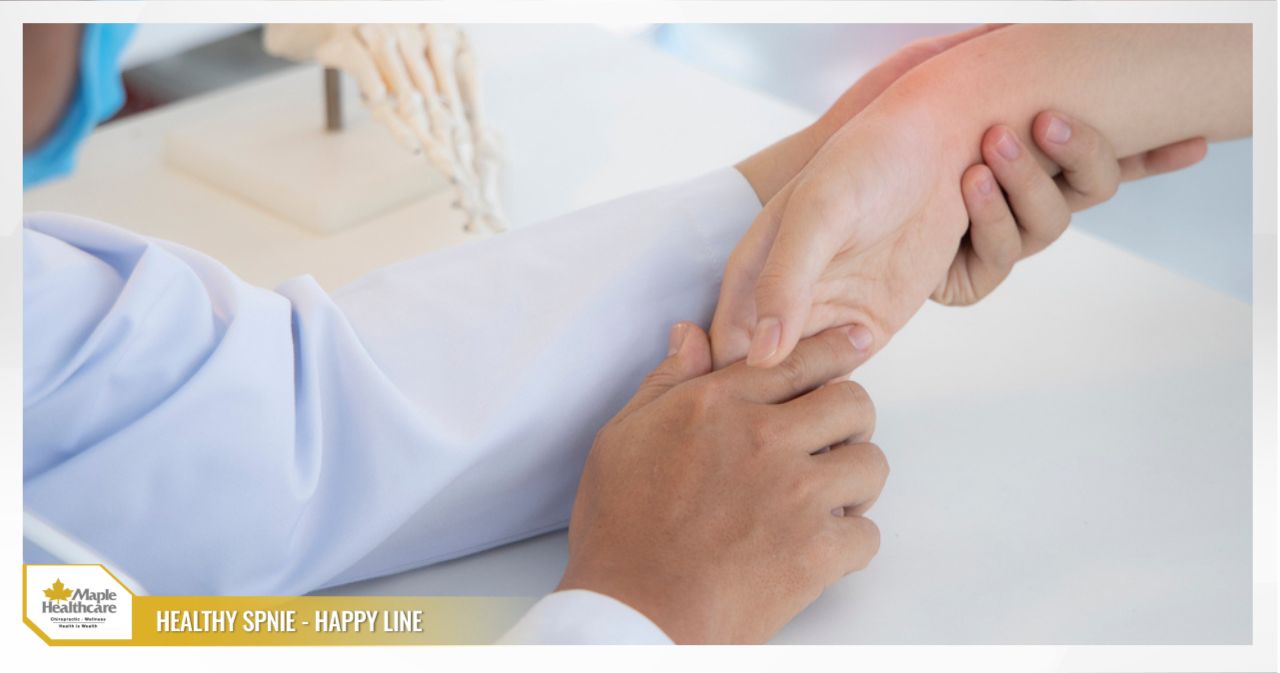
- Physical examination: Your doctor will observe the wrist for signs of swelling and apply direct pressure over the radial styloid process (on the thumb side) to identify the characteristic tender point. The range of motion of the thumb and wrist will also be assessed.
- The Finkelstein test: This is the most specific and widely used clinical test for diagnosing De Quervain’s syndrome. Your doctor will guide you through the following steps:
- Fold the thumb into the palm.
- Wrap the remaining fingers around the thumb to make a fist.
- Gently tilt the wrist toward the little finger.
If this movement produces a sharp pain on the thumb side of the wrist, the test is considered positive, strongly suggesting De Quervain’s tenosynovitis. You should not attempt this test forcefully on your own if you are already in significant pain. Detailed information about the Finkelstein test and diagnostic criteria can be found in specialist medical literature.
- Ultrasound: Ultrasound imaging may be requested to confirm the diagnosis. It can show thickening of the tendon sheath, signs of inflammation, and fluid accumulation around the tendons. Ultrasound is also highly useful for guiding precise injection therapy when required.
- X-ray: X-rays will not typically show the tendon changes associated with De Quervain’s tenosynovitis, but they are useful for ruling out other bone and joint conditions such as thumb basal joint arthritis or a fracture.
Is De Quervain’s Tenosynovitis Serious?
The straightforward answer is: De Quervain’s tenosynovitis is generally not life-threatening. It is a benign musculoskeletal condition.
However, if left unmanaged, De Quervain’s syndrome can have a meaningful impact on your quality of life:
- Chronic pain: The discomfort may become persistent, interfering with every activity that involves using your hand.
- Significant functional limitation: You may experience increasing difficulty with gripping, pinching, working, and particularly with caring for children.
- Fibrosis of the tendon sheath: Prolonged inflammation can cause the sheath to become permanently thickened and fibrous, making it increasingly difficult for the tendons to glide and potentially leading to tendon catching.
- High risk of recurrence: If the underlying mechanical habits that place excessive load on the wrist are not modified, the condition is very likely to return after treatment.
For these reasons, although the condition is not life-threatening, early treatment is recommended to prevent prolonged pain and to support a full recovery of hand function.
Treatment Options for De Quervain’s Tenosynovitis
The goals of treatment for De Quervain’s tenosynovitis are to reduce inflammation, relieve pain, restore smooth tendon gliding, and prevent recurrence. The approach depends on the severity of the condition. Conservative, non-surgical methods are generally the preferred first-line option.
Home Management for Mild Cases
For mild, recently developed cases of De Quervain’s tenosynovitis, the following measures may help:
- Rest and activity modification: This is the most important step. Temporarily stop or significantly reduce activities that provoke pain, such as strong gripping, wrist twisting, or lifting a baby with poor technique.
- Cold therapy: Apply an ice pack wrapped in a thin cloth to the painful area of the wrist for 10 to 15 minutes, three to four times per day. Cold therapy is effective at reducing swelling and pain during the acute phase.
- Posture adjustment: Keep the wrist in a neutral (straight) position when working, using a computer, or holding your phone.
- Avoid forceful massage: Do not massage, apply acupressure, or forcefully manipulate the inflamed area, as this can make the condition worse.
Wrist and Thumb Splinting
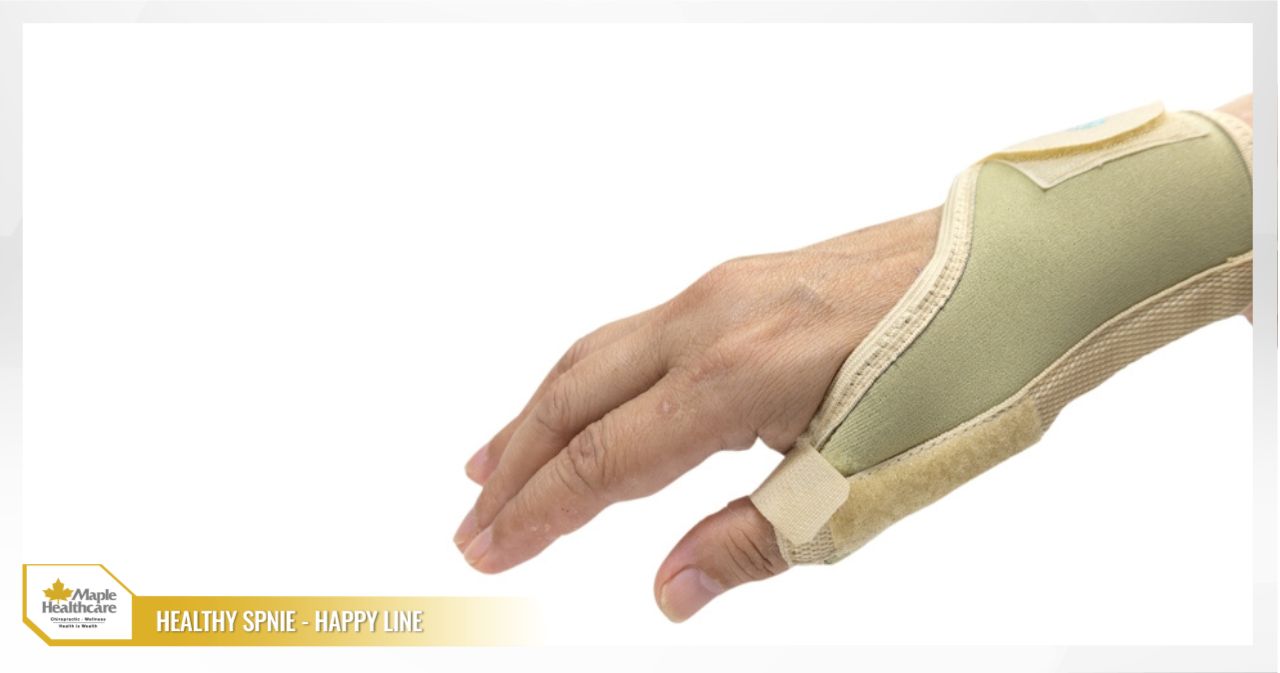
Using a thumb spica splint is a highly effective approach in managing De Quervain’s tenosynovitis.
- Purpose: The splint holds the wrist and thumb basal joint in a resting position, minimizing tendon movement and friction, and allowing the sheath to recover.
- How to use: Doctors typically recommend wearing the splint continuously for several weeks. It may be removed for bathing or gentle exercises. The splint should not be too tight (which can cause numbness) or too loose (which reduces its supportive effect).
Medication
Your doctor may recommend certain medications to help manage symptoms:
- Non-steroidal anti-inflammatory drugs (NSAIDs) such as ibuprofen or naproxen may be used orally or as a topical gel to help reduce pain and inflammation over a short period.
- Important: Always use medication strictly as directed by your doctor. Do not self-medicate over an extended period, particularly if you have a history of stomach, liver, or kidney problems, or if you are pregnant or breastfeeding.
Physiotherapy and Rehabilitation Exercises
Physiotherapy plays an important role in reducing pain, restoring function, and preventing recurrence in De Quervain’s tenosynovitis.
- Goals: To reduce inflammation, improve tendon flexibility, and strengthen the muscles that support the wrist and thumb.
- Techniques: A doctor or physiotherapist may use therapeutic ultrasound, electrotherapy, and guided stretching and strengthening exercises tailored to the stage of the condition.
Corticosteroid Injection
When conservative measures have not provided sufficient relief, a corticosteroid injection may be recommended.
- How it works: A small amount of corticosteroid (a potent anti-inflammatory medication) is injected directly into the inflamed tendon sheath to reduce swelling and relieve pain. This procedure is typically performed under ultrasound guidance to ensure accuracy.
- Effectiveness: This approach can offer meaningful relief for many patients. However, rest and habit modification are still necessary after the injection to help prevent recurrence.
Surgical Treatment
Surgery for De Quervain’s tenosynovitis is considered a last resort, only recommended when all conservative treatment options have been exhausted.
- Goal: The surgeon makes a small incision to release the tendon sheath — effectively widening the tunnel so the tendons can glide freely without friction.
- Recovery: This is a relatively straightforward procedure. Most patients go home on the same day and are guided through a post-operative care and exercise programme to support a full recovery.
Supportive Exercises for De Quervain’s Tenosynovitis
Exercises for De Quervain’s tenosynovitis should only be started once the acute inflammatory phase has settled and pain has reduced considerably. Always listen to your body and stop if pain increases.
Important notes before exercising:
- Do not exercise if the wrist is still swollen, warm, or significantly painful.
- Perform all movements slowly and gently.
- These exercises are not a substitute for proper medical diagnosis and treatment.
Suggested exercises:
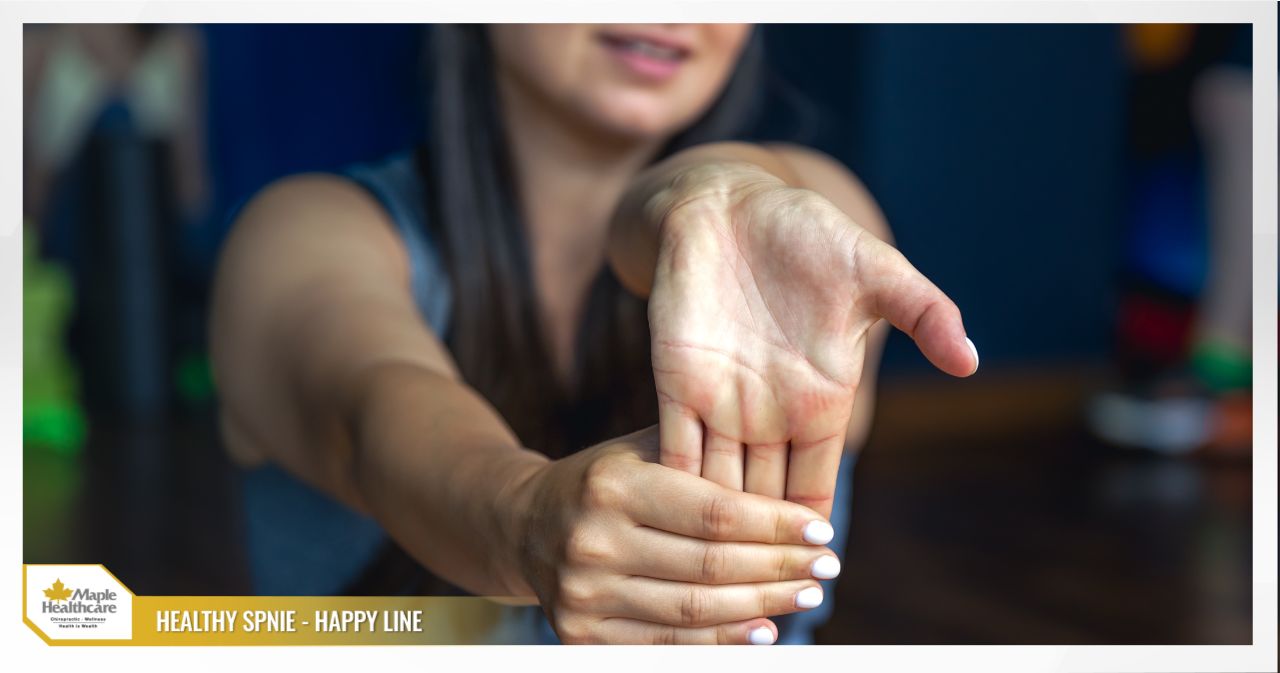
- Thumb stretch: Use your unaffected hand to gently pull the thumb of your painful hand away from the palm until you feel a mild stretch. Hold for 15 to 20 seconds. Repeat 3 to 5 times.
- Gentle wrist flexion and extension: Rest your forearm on a table with your wrist and hand extending over the edge. Slowly bend the wrist downward and then upward, staying within a pain-free range.
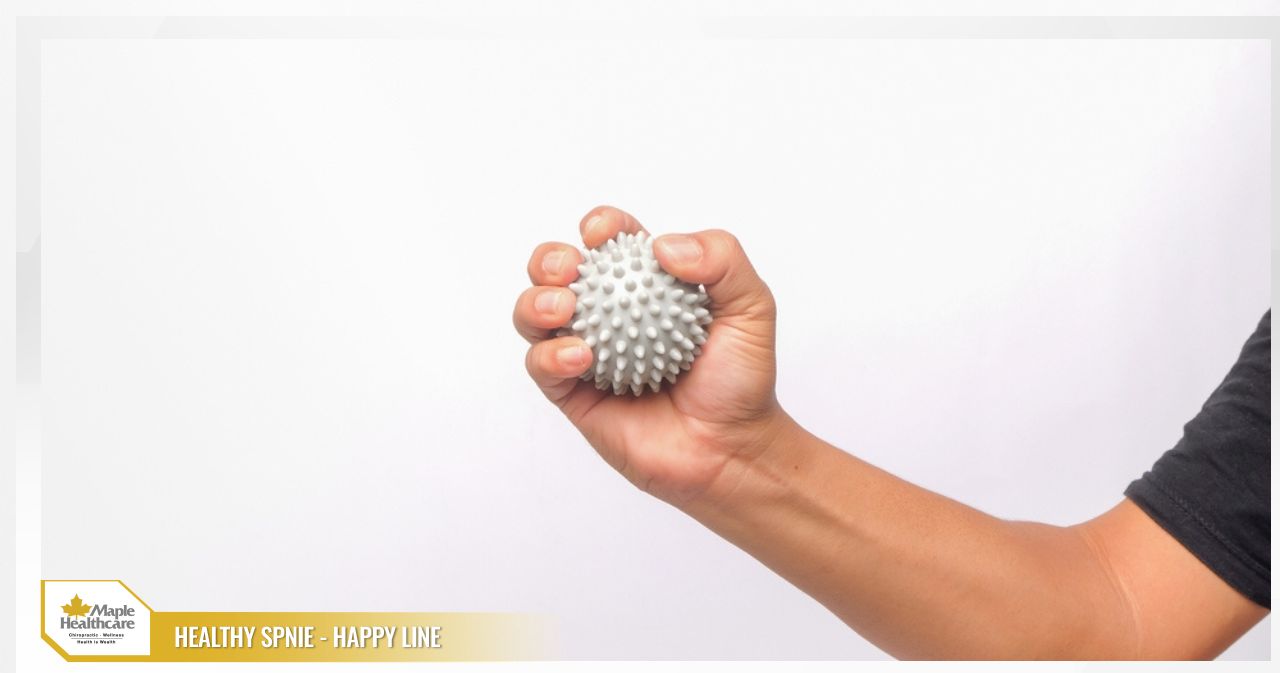
- Soft ball squeeze: Once pain has stabilised, gently squeezing a soft foam ball can help gradually rebuild grip strength.
How to Prevent De Quervain’s Tenosynovitis from Recurring
Preventing recurrence of De Quervain’s tenosynovitis focuses on modifying habits to reduce load on the wrist and thumb. Even after successful treatment, De Quervain’s syndrome can return if the previous habits are resumed.
- Reduce repetitive movements: Try to break tasks into smaller portions and take regular breaks. After every 30 to 45 minutes of computer work or tool use, take a few minutes to relax and gently rotate your wrists.
- Keep the wrist in a neutral position: Avoid excessive wrist flexion or extension. Use ergonomic equipment such as a supportive mouse and keyboard where appropriate.
- Adjust how you carry your baby: Learn to use your forearms to support your baby’s weight rather than relying solely on your wrists. Ask family members for help when possible.
- Modify household tasks: Use jar-opening aids, divide heavy loads when carrying, and lift objects with both hands where possible.
- Maintain regular stretching: Keep up gentle daily stretching exercises for the wrist and fingers.
Common Mistakes to Avoid When Managing This Condition
To get the best possible results from treatment, be mindful of the following common mistakes:
- Pushing through the pain: Continuing activities that aggravate the condition will only worsen the inflammation and make recovery more difficult.
- Taking pain relief medication long-term without guidance: Medication only masks symptoms temporarily without addressing the underlying mechanical cause, and prolonged unsupervised use carries risks of side effects.
- Forceful massage or manipulation: Applying strong pressure to an inflamed tendon can cause further damage.
- Exercising too early or with incorrect technique: Performing strengthening exercises during an acute flare can make the condition significantly worse.
- Failing to change habits: This is the most common reason for recurrence. Treatment is only likely to be sustainable when the underlying habits that overload the tendon are genuinely modified.
Summary
De Quervain’s tenosynovitis, also known as De Quervain’s syndrome, is a common and painful wrist condition that can be effectively managed when identified early and approached correctly. The core principles of treatment are to reduce load on the tendons, control inflammation, and restore function through conservative methods.
Understanding the contributing causes and modifying problematic movement habits are key to preventing the condition from returning. If you have been experiencing persistent pain on the thumb side of your wrist that is affecting your daily life or work, do not hesitate to seek specialist advice.
At Maple Healthcare in Ho Chi Minh City, clinicians and physiotherapy specialists can develop a personalised conservative management plan that combines physiotherapy techniques, functional rehabilitation exercises, and postural education — with the aim of supporting you in reducing pain safely, regaining movement, and returning to your daily activities more comfortably.
FAQ: Frequently Asked Questions About De Quervain’s Tenosynovitis
Can De Quervain’s tenosynovitis resolve on its own?
Answer: A small number of very mild cases may improve with complete rest and strict avoidance of aggravating activities. However, most cases benefit from some form of clinical intervention — such as splinting, physiotherapy, and habit modification — to achieve a full recovery and reduce the likelihood of recurrence.
What should a postpartum woman do if she develops De Quervain’s tenosynovitis?
Answer: The most important step is to adjust how you carry your baby — use your forearms and a supportive sling or pillow to distribute the weight, rather than straining your wrists. Ask family members for help to allow your wrist time to rest. If the pain does not improve, seek medical advice so that safe treatment options suitable for breastfeeding mothers can be discussed.
How long does it take to recover from De Quervain’s tenosynovitis?
Answer: Recovery time varies considerably depending on the severity of the condition and the treatment approach. With conservative management (rest, splinting, and physiotherapy), symptoms can improve meaningfully within 4 to 6 weeks. More severe cases, or those requiring surgery, may take several months for a complete recovery.
Should I use heat or cold therapy for De Quervain’s tenosynovitis?
Answer: During the acute phase (the first few days, when the wrist is still swollen, warm, and very painful), cold therapy is the preferred option — apply for 10 to 15 minutes at a time to help reduce inflammation and relieve pain. Heat may be more appropriate in the chronic phase to relax surrounding muscles and improve circulation, but this should be done under the guidance of your doctor.
When is surgery needed for De Quervain’s tenosynovitis?
Answer: Surgery is considered a last resort and is typically only recommended when all conservative measures — including rest, splinting, medication, physiotherapy, and corticosteroid injection — have been tried over a sufficient period without adequate improvement, and the condition continues to significantly affect hand function and daily life.
Related articles:
Supportive At-Home Exercises for Spinal Degeneration
What Is Arthritis? Causes and Recognizing Symptoms of Arthritis
Contact for consultation
MAPLE INTERNATIONAL CO., LTD
Phone: 0705 100 100
Tax code: 0311948301
Date Range: 21 - 08 - 2012
Issued: Department of Planning and Investment of Ho Chi Minh City
Healthcare Group Members



Contact Us
COPYRIGHT