Right flank pain is a common symptom. It may be a brief muscle ache after physical activity, but it can also signal problems involving the kidneys, digestive tract, spine, or reproductive organs. When pain occurs, many people worry about what causes right flank pain, whether it is dangerous, and when they should see a doctor.
In reality, right flank pain is a symptom, not a condition in itself. The pain may be felt in different areas, including the flank, waist, lower back, side of the abdomen, or around the right hip joint. Causes range from musculoskeletal problems to conditions affecting internal organs. This article explains the possible causes of pain in the right flank, warning signs that require medical attention, and safe ways to relieve mild pain at home.
Medical warning: Do not ignore pain that persists, is severe, spreads, or occurs with symptoms such as fever, changes in urination, nausea, vomiting, unusual vaginal bleeding, or blood in the urine.
Where Is Right Flank Pain Felt?
To identify the possible cause, you first need to describe the exact location of the pain. Right flank pain refers to aching, pressure, stabbing, dull, or cramping pain in one or more areas on the right side of the body, including:
- The lower right abdomen.
- The right side of the waist.
- The right lower back.
- The right flank area, between the lowest rib and the pelvis.
- The area around the right hip joint.
- The pain may spread to the buttock, thigh, leg, or back, depending on the cause.
Identifying the exact location and characteristics of the pain can help suggest a possible cause:
- Pain near the hip joint or lower back: This often suggests a problem involving the muscles, joints, spine, or nerves.
- Pain in the right flank or side of the lower back: When accompanied by painful or frequent urination, it may be related to the kidneys or urinary tract.
- Pain in the lower right abdomen: If accompanied by fever, nausea, or digestive symptoms, it may be related to the digestive system, appendix, or a gynecological condition.
You should also pay attention to the type of pain:
- Dull, aching pain: This is often seen with muscle strain, chronic inflammation, gynecological conditions, or persistent digestive problems.
- Sharp pain with movement: This is commonly associated with muscles, ligaments, joints, or an injury.
- Colicky pain that comes in waves: This may be a sign of kidney stones, ureteral stones, or a digestive disorder.
- Pain spreading down the leg with numbness: This may suggest nerve compression, a herniated disc, or sciatica.

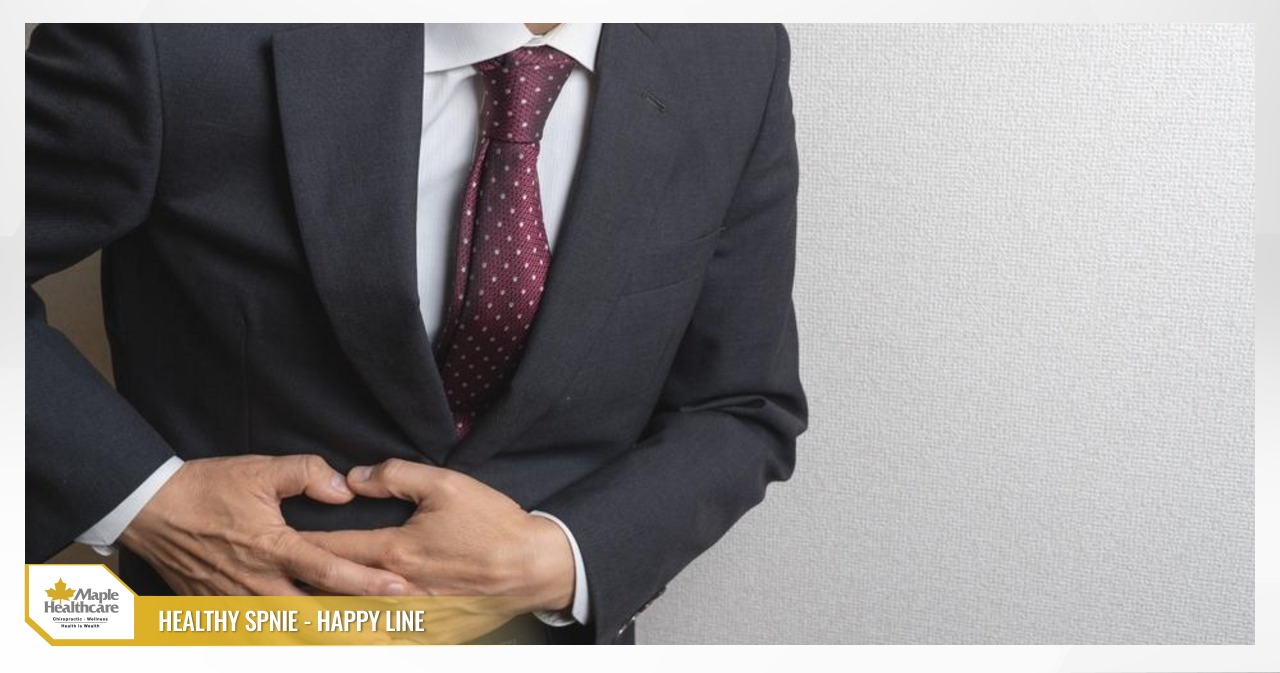
A simple distinction is that musculoskeletal pain usually worsens when you bend, twist, stand up, sit down, or lift something. Pain from an internal organ, by contrast, is often less clearly related to posture and may occur with general symptoms such as fever, vomiting, diarrhea, constipation, or painful urination.
What Causes Right Flank Pain? Common Causes
The question “what causes right flank pain” does not have one answer. To identify the likely cause, you need to observe the accompanying symptoms carefully. The following are some of the most common groups of causes.
Right Flank Pain from Muscle Strain, Injury, or Poor Movement Technique
This is a common cause and is usually among the least serious. The muscles around the hip, lower back, and abdomen, or the ligaments around the hip, may become strained or injured after:
- Lifting heavy objects.
- Exercising too intensely or not warming up properly.
- Twisting the body suddenly.
- Sitting or standing in an incorrect position for a long time.
- Falling or experiencing an impact.
Typical features:
- The pain is usually localized to the right flank or lower back.
- It worsens when you bend, twist, stand up, sit down, or exercise intensely.
- You may also experience muscle tightness or tenderness when pressing the affected area.
- It often improves with rest, appropriate hot or cold compresses, and posture adjustments.
Right Flank Pain from Spinal, Nerve, or Joint Conditions
Conditions affecting the lumbar spine, discs, hip joint, or sacroiliac joint are common causes of right flank pain, particularly pain that spreads to other areas.
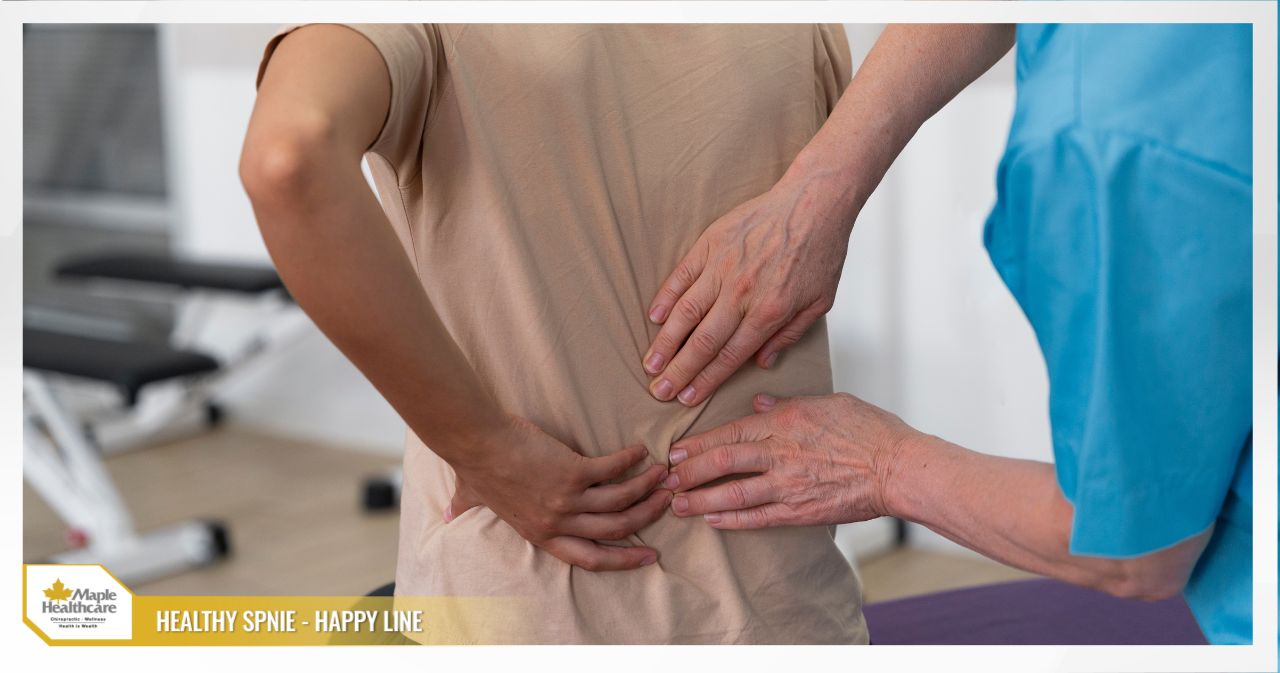
- Lumbar disc herniation: A bulging disc can compress a nerve root, causing pain from the back or flank that spreads to the buttock, thigh, and lower leg. The pain may worsen when coughing, sneezing, or sitting for a long time.
- Lumbar spondylosis: Wear and tear affecting the vertebrae and discs may cause a dull ache in the lower back and flank that worsens with increased activity.
- Sciatica: Pain travels along the sciatic nerve, usually starting in the lower back or flank and extending down the back of the thigh to the lower leg. Numbness or a pins-and-needles sensation may also occur.
- Hip arthritis: This causes deep pain inside the hip joint, which may worsen when walking, rotating the leg, or standing for a long time, and can restrict movement.
- Sacroiliac joint inflammation: This causes pain in the flank, buttock, and lower back, often worsening when standing for a long time or changing from sitting to standing.
Right Flank Pain from Kidney Stones, Ureteral Stones, or a Urinary Tract Infection
The kidneys and ureters lie deep in the flank and lower back, so problems in this area can cause pain in the right flank.
- Kidney or ureteral stones: When a stone moves or causes a blockage, it can produce severe renal colic that comes in waves, usually in the flank or lower back and spreading toward the front of the lower abdomen.
- Urinary tract infection: Bacteria can cause inflammation of the bladder or urethra and may spread to the kidneys, causing kidney and renal pelvis inflammation and pain in the flank and lower back.

Possible signs:
- Painful or frequent urination, or a constant urge to urinate.
- Cloudy, foul-smelling urine or blood in the urine.
- Fever or chills.
- Nausea or vomiting.
Right Flank Pain from Digestive Conditions
Digestive organs in the abdominal cavity can cause pain that is felt in the right flank.
- Constipation: Stool buildup can stretch the colon and cause a dull ache and bloating.
- Appendicitis: This is a medical emergency. Pain often starts around the navel before moving to and becoming localized in the lower right abdomen. It gradually worsens and may be accompanied by fever, nausea, and loss of appetite.
- Irritable bowel syndrome (IBS): This causes recurrent abdominal pain, bloating, and changes in bowel habits, including diarrhea or constipation.
- Colitis: This can cause abdominal pain, changes in stool, and bloating.
Right Flank Pain in Women from Gynecological Conditions
In women, right flank pain may indicate a condition involving the right ovary, fallopian tube, or pelvic area.
- Ovulation pain: Mild, dull pain on one side of the lower abdomen or flank that occurs around the middle of the menstrual cycle and usually resolves within a few hours or days.
- Right ovarian cyst: A cyst may cause a dull ache. If it twists or ruptures, it can cause sudden, severe abdominal pain.
- Pelvic inflammatory disease (PID): An infection of the reproductive organs that causes pelvic or lower abdominal pain, unusual vaginal discharge, fever, and pain during sex.
- Endometriosis: Endometrial-like tissue grows outside the uterus, causing chronic pelvic pain, particularly during menstruation.
- Ectopic pregnancy: A pregnancy implants in the right fallopian tube instead of the uterus. This is an emergency and can cause severe one-sided lower abdominal pain, a missed period, and unusual vaginal bleeding.

Right Flank Pain in Men
In men, pain in the right flank or groin may be caused by:
- Inguinal hernia: Part of the intestine or other tissue passes through a weak area in the abdominal wall near the groin. This can cause pain and a bulge in the groin that becomes more noticeable when coughing or straining.
- Prostatitis: This may cause pain in the pelvis, groin, or flank, together with difficulty urinating or frequent urination.
- Testicular torsion: This medical emergency causes severe pain and swelling in the scrotum. The pain may spread to the abdomen or flank.
Other Possible Causes of Right Flank Pain
- Shingles: The virus affects nerves on one side of the body, causing burning or tingling pain along the nerves in the flank before a blistering rash appears.
- Liver or gallbladder conditions: Pain higher up in the right upper abdomen may be related to the liver or gallbladder and may occur with nausea or a feeling of fullness after eating fatty foods.
- Prolonged stress: Stress can cause the back and flank muscles to tighten, resulting in a dull ache.
Associated Symptoms That Help Assess Right Flank Pain
In addition to the location of the pain, associated symptoms are important for assessing how serious the condition may be.
- Fever and chills: These are often signs of infection, such as kidney infection, appendicitis, or pelvic inflammatory disease. You should seek medical care promptly.
- Nausea and vomiting: These may occur with kidney stones, appendicitis, or acute digestive problems. If you are vomiting repeatedly and cannot eat or drink, seek medical care.
- Pain spreading down the leg, numbness, or leg weakness: These are red-flag signs of nerve compression from a herniated disc or another spinal condition.
- Painful or frequent urination or blood in the urine: These strongly suggest a urinary tract condition, such as stones or an infection.
- Lower right abdominal pain that worsens when pressed: Appendicitis should be considered, and you should seek emergency care immediately.
- Pain after an injury: If the pain is severe, you cannot walk, or swelling and bruising are spreading, seek medical attention to rule out a fracture or internal injury.
- Persistent, worsening, or suddenly severe pain: This should always be assessed by a medical professional promptly.
When Should You See a Doctor for Right Flank Pain?
Not every case of right flank pain requires immediate medical attention, but you should arrange an appointment if you have any of the following signs.
Arrange a Medical Appointment Soon If You Have:
- Pain lasting more than a few days or recurring frequently.
- Pain that does not improve or becomes worse despite rest.
- Pain that affects your ability to walk, perform daily activities, or sleep.
- Pain spreading down the leg with numbness, tingling, or leg weakness.
- Urinary symptoms such as painful urination, blood in the urine, or cloudy urine.
- Digestive symptoms such as nausea, vomiting, diarrhea, or prolonged constipation.
- In women, pain accompanied by menstrual changes, unusual vaginal bleeding, or possible pregnancy.
Seek Emergency Care Immediately If You Have:
Go to the nearest emergency department if right flank pain occurs with any of the following symptoms:
- Sudden, severe, unbearable pain.
- Worsening lower right abdominal pain with fever and vomiting, which may suggest appendicitis.
- High fever, chills, or repeated vomiting.
- Pain after an accident or major injury.
- Pain with dizziness, fainting, or cold sweats.
- Severe pain or vaginal bleeding during pregnancy.

How Do Doctors Diagnose Right Flank Pain?
To identify the cause, your doctor will follow a structured diagnostic process:
Medical History
Your doctor will ask detailed questions about the pain:
- Where exactly is the pain?
- When did the pain begin, and what were you doing at the time?
- What does the pain feel like: dull, sharp, or cramping?
- What makes the pain better or worse?
- Are there any associated symptoms, such as fever, vomiting, painful urination, or leg numbness?
Physical Examination
Your doctor may perform a physical examination, including:
- Abdominal examination: Pressing different areas of the abdomen to identify tenderness and assess signs of appendicitis or digestive disease.
- Examination of the flank, back, and hip: Assessing your range of motion and looking for localized tenderness in the muscles or joints.
- Neurological examination: Checking sensation, muscle strength, and reflexes in the legs if nerve compression is suspected.

Laboratory Tests and Imaging
Depending on the initial findings, your doctor may recommend:
- Blood and urine tests: To look for signs of infection, stones, or other abnormalities.
- Ultrasound: This is useful for assessing the kidneys, including stones or urine buildup, as well as the gallbladder, appendix, and gynecological organs such as the ovaries and uterus.
- X-ray: This is often used to check for bone and joint problems, such as degeneration or fractures.
- CT or MRI: These provide more detailed images of internal organs, the spine, discs, and nerves, and are usually recommended when other tests do not provide a clear answer.
Home Measures to Relieve Right Flank Pain
You should use these measures only when the pain is mild, appears likely to be caused by muscle strain, and is not accompanied by any of the warning signs described above.
- Rest and limit strenuous activity: Avoid activities that cause pain, such as lifting heavy objects, running, jumping, or twisting suddenly. However, avoid staying completely still for too long, as this may cause muscle stiffness.
- Use cold or warm compresses:
- Cold compress: Apply an ice pack wrapped in a towel for 15–20 minutes. This may be appropriate during the first 48 hours after an injury to reduce swelling and inflammation.
- Warm compress: Use a warm towel or heating pack after 48 hours to help relax tight muscles and ease a dull ache.
- Stretch gently: Perform gentle stretches for the lower back and hip muscles, stopping immediately if the pain worsens.
- Drink enough water: This is important for supporting kidney function and preventing constipation.
- Use over-the-counter pain relievers with caution: You may use paracetamol or ibuprofen for a short time, but follow the recommended dosage. Do not overuse these medicines, and ask a pharmacist or doctor for advice if you have a stomach, liver, or kidney condition or are pregnant.
What Not to Do When You Have Right Flank Pain
- Do not massage or apply strong acupressure on your own: If the cause is a kidney stone, appendicitis, or an injury, this may make the condition worse.
- Do not continue exercising if the pain is worsening: Listen to your body and stop if movement makes the pain worse.
- Do not overuse pain relievers: They may mask serious symptoms and cause side effects.
- Do not ignore warning signs: Do not delay medical care if you have fever, vomiting, blood in the urine, or severe abdominal pain.
How to Help Prevent Recurrent Right Flank Pain
For pain related to musculoskeletal problems and lifestyle factors, you can help prevent recurrence by:
- Maintaining good posture: Sit with your back straight and supported, and avoid crossing your legs or leaning to one side.
- Exercising regularly: Strengthen your back, abdominal, and hip muscles to provide better support for your spine.
- Warming up thoroughly before playing sports.
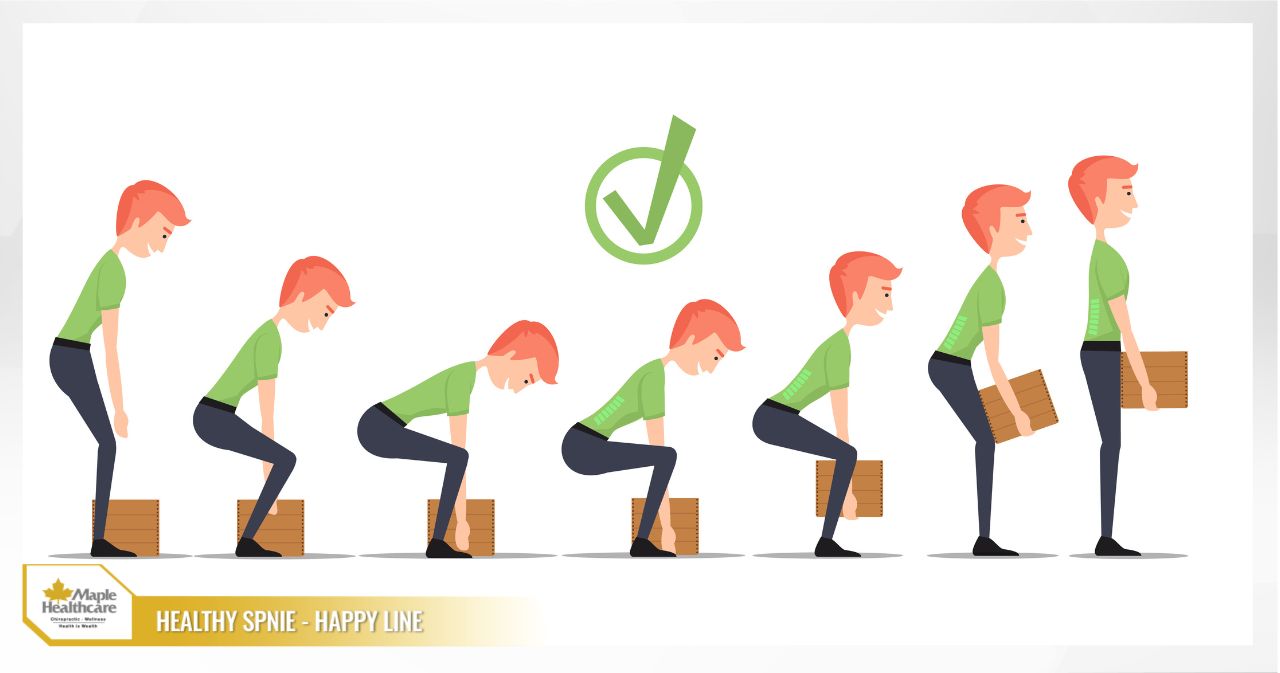
- Learning to lift heavy objects safely: Bend your knees, keep your back straight, and use your legs rather than bending from the waist.
- Drinking enough water and eating plenty of fiber: This may help prevent kidney stones and constipation.
- Having regular health checkups: This can help you monitor and manage any underlying conditions.
Conclusion
Right flank pain is a complex symptom with many possible causes, ranging from simple musculoskeletal problems to internal conditions that require medical care. The key to responding appropriately is to listen to your body and carefully observe the location, nature, and associated symptoms of the pain.
Home measures such as rest, compresses, and gentle stretching are appropriate only for mild pain that appears likely to be caused by muscle strain. Never ignore warning signs such as severe or persistent pain, fever, vomiting, blood in the urine, or leg numbness or weakness.
If your right flank pain does not improve, keeps coming back, or affects your quality of life, arrange a medical assessment to identify the cause. At Maple Healthcare in Ho Chi Minh City, our clinicians can assess the source of your pain and develop an appropriate conservative care plan. Depending on your condition, this may include approaches such as chiropractic care and physiotherapy and rehabilitation, with the aim of addressing contributing causes and improving function without automatically relying on medication or surgery.
FAQ: Frequently Asked Questions About Right Flank Pain
Is Right Flank Pain Dangerous?
Answer: The level of risk depends on the cause. Pain may be harmless when it results from muscle strain, but it may also indicate a serious condition such as appendicitis, kidney stones, or an ectopic pregnancy. Pay attention to associated symptoms such as fever, vomiting, or severe pain when assessing the situation.
What Can Persistent Dull Pain in the Right Flank Indicate?
Answer: Persistent dull pain can have many causes, including spinal degeneration, chronic hip arthritis, gynecological conditions such as ovarian cysts or endometriosis, or digestive problems such as irritable bowel syndrome. You should see a doctor to identify the exact cause.
Does Right Flank Pain That Spreads Down the Leg Mean Sciatica?
Answer: It may. This is a typical symptom of sciatic nerve compression, often caused by a lumbar disc herniation or another spinal condition. If it is accompanied by numbness or leg weakness, seek medical attention promptly.
When Does Right Flank Pain Require Immediate Emergency Care?
Answer: Seek emergency care if the pain is sudden, severe, and unbearable; if lower right abdominal pain progressively worsens with fever, which may suggest appendicitis; if you have a high fever, chills, or repeated vomiting; if the pain follows a major injury; or if it occurs with dizziness or fainting.
Should Women with Right Flank Pain See a Gynecologist?
Answer: Yes, a gynecological assessment may be appropriate, especially if the pain occurs with menstrual changes, unusual vaginal bleeding, pain during sex, or possible pregnancy. This can help rule out conditions such as an ovarian cyst, pelvic inflammatory disease, or ectopic pregnancy.
Related Articles:
Contact for consultation
MAPLE INTERNATIONAL CO., LTD
Phone: 0705 100 100
Tax code: 0311948301
Date Range: 21 - 08 - 2012
Issued: Department of Planning and Investment of Ho Chi Minh City
Healthcare Group Members



Contact Us
COPYRIGHT