An ankle ligament tear, commonly known as a sprained ankle, is one of the most frequent musculoskeletal injuries. It occurs when the ligaments surrounding the ankle joint are overstretched, leading to partial stretching, partial tearing, or even a complete ankle ligament rupture. Anyone can experience this injury — from professional athletes and recreational sports enthusiasts to people who wear high heels or simply miss a step on a curb.
Despite being an extremely common injury, many people still do not fully understand its severity or how to manage it correctly. Improper first aid or taking the injury lightly can lead to chronic pain, ankle instability, and a higher risk of re-injury.
This article provides a comprehensive guide to help you understand ankle ligament tears: from recognising the symptoms and grading the severity, to knowing when to seek medical care, how to apply effective first aid and conservative treatment, and how to follow a structured rehabilitation exercise programme and prevent future recurrence.
What Is an Ankle Ligament Tear? Understanding the Difference Between a “Sprain” and a “Rupture”
At its core, “ankle sprain” is a broad term that describes the full spectrum of ligament injury — from mild stretching to complete rupture. The severity is classified based on the extent of damage to the ligament fibres.
Anatomy of the Ankle Ligaments
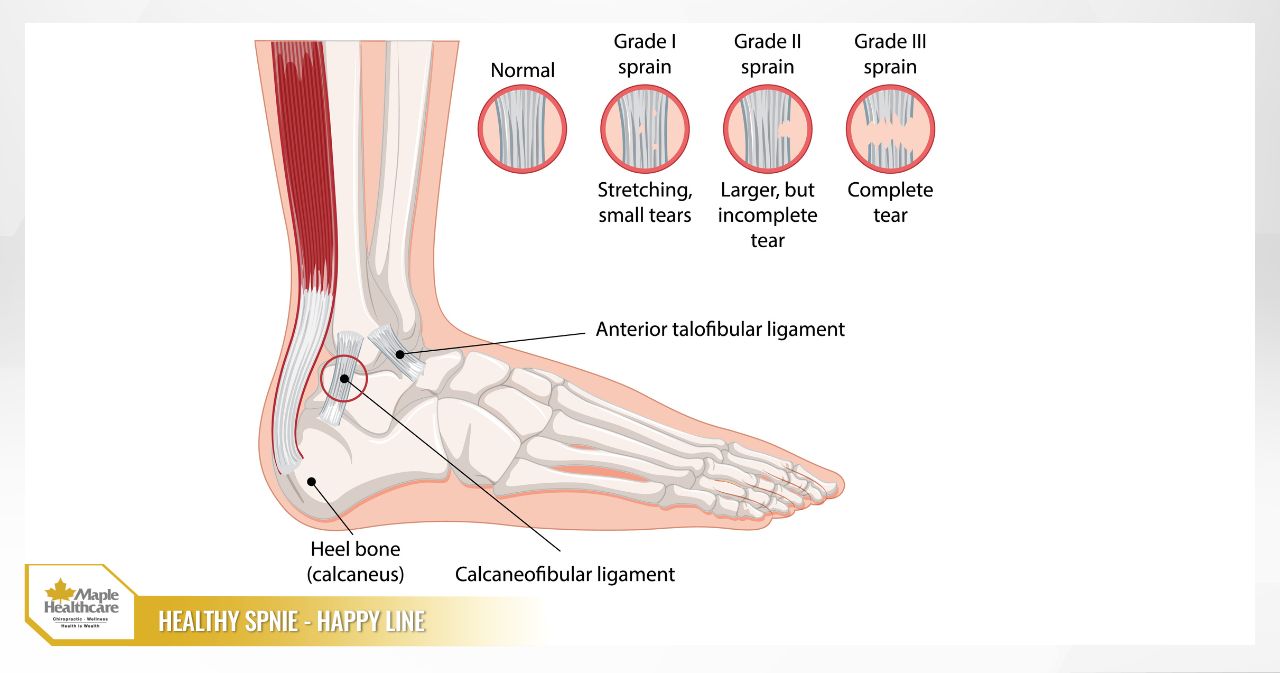
The ankle joint is stabilised by a complex system of ligaments. The main ligament groups most commonly injured include:
- The lateral ligament complex: This is the most frequently injured group, typically due to an inward rolling (inversion) mechanism of the foot.
- Anterior talofibular ligament (ATFL): The weakest and most commonly torn ligament.
- Calcaneofibular ligament (CFL): Often injured alongside the ATFL in more severe sprains.
- Posterior talofibular ligament (PTFL): The strongest of the three, rarely torn, and typically only injured in very severe trauma.
- The medial ligament complex (deltoid ligament): This group is very strong and less commonly injured. When it does tear, it is usually associated with more serious injuries such as ankle fractures.

Grading an Ankle Sprain or Ligament Tear
Ankle sprains are generally classified into three grades based on their severity:
- Grade I (Mild): Microscopic stretching or tearing.
- The ligament is mildly overstretched, with only a few fibres torn at the microscopic level.
- Symptoms: Mild pain, minimal swelling, and no sense of instability. You are still able to walk, though with some discomfort.
- Grade II (Moderate): Partial tear.
- The ligament is partially torn, causing more noticeable damage.
- Symptoms: Moderate pain and swelling, bruising may appear, and walking becomes difficult and painful. You may notice some looseness or instability in the ankle joint.
- Grade III (Severe): Complete or near-complete rupture.
- The ligament is completely torn.
- Symptoms: Severe pain, widespread swelling and bruising, and an inability to bear weight or walk on the injured foot. Significant ankle instability is present. This injury may also involve bone or cartilage damage.
In terms of terminology, “ankle ligament tear” typically refers to a Grade II injury, while “ankle ligament rupture” usually describes a Grade III injury.
Causes and Risk Factors
The primary cause of an ankle ligament tear is a sudden twisting or rolling of the joint beyond its normal range of motion.
Common Injury Mechanisms
- Inward rolling of the ankle (inversion): This is the most common mechanism, and it typically occurs when:
- Landing awkwardly after a jump.
- Changing direction suddenly while running (e.g., during football or basketball).
- Stepping on an uneven surface or the edge of a kerb.
- Slipping and falling.
- Wearing high heels or shoes with an unstable sole.
Factors That Increase Your Risk
- Previous ankle sprain: This is the single greatest risk factor. Once a ligament has been injured, it may become weakened and more susceptible to re-injury.
- Weak muscles around the ankle: Weak muscles are less effective at supporting and protecting the joint.
- Poor balance and proprioception: Reduced awareness of the joint’s position in space can diminish your protective reflexes.
- Unstable training surfaces: Running on rough or uneven terrain.
- Inappropriate footwear: Worn-out, ill-fitting, or insufficiently supportive shoes.
- Inadequate warm-up before physical activity.
- Muscle fatigue: When muscles are tired, their ability to protect the joint is reduced.
- Other contributing factors include obesity and congenital ligament laxity.
Symptoms: Recognising an Ankle Ligament Tear Early
Recognising the symptoms early helps you respond promptly and appropriately. Common signs include:
- Pain: A sharp pain occurs immediately at the moment of injury, typically on the outer side of the ankle. The pain worsens when you try to stand, walk, or rotate the ankle.
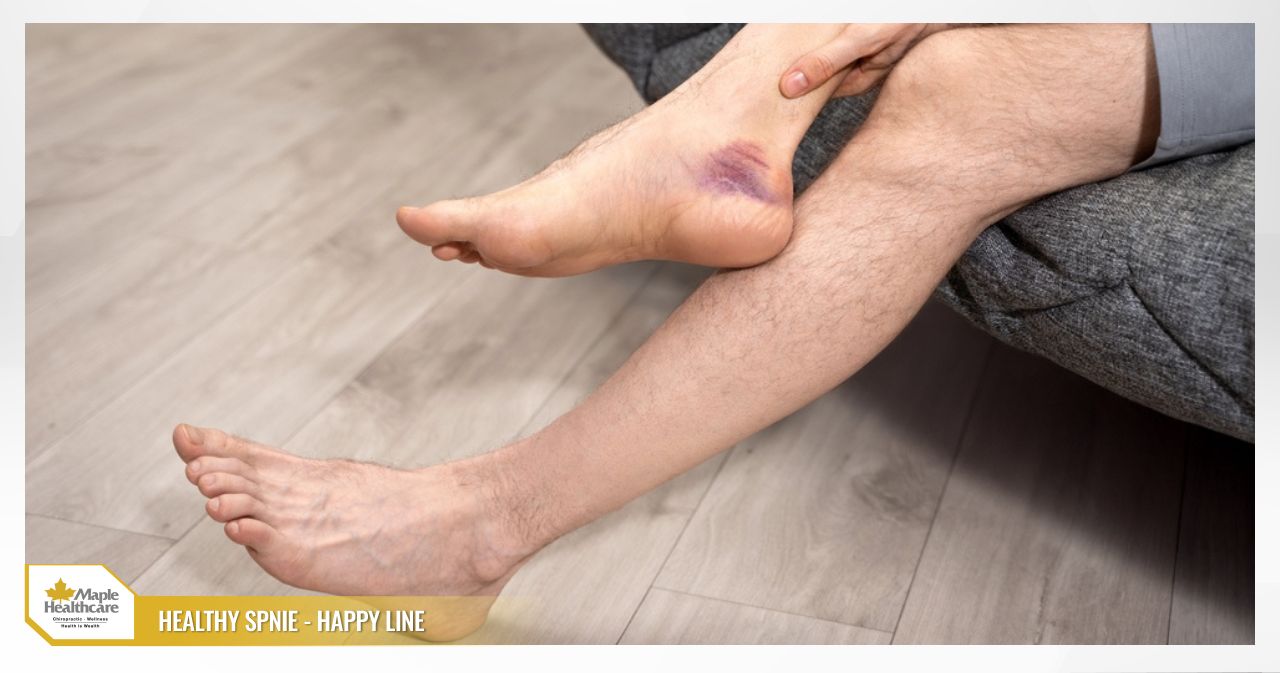
- Swelling and bruising: The ankle swells up quickly after the injury. Bruising may appear within a few hours or one to two days due to internal bleeding in the soft tissue.
- A popping or snapping sound or sensation: This typically occurs in more severe cases of partial tearing (Grade II) or complete rupture (Grade III).
- Restricted movement: Difficulty bending, extending, or rotating the ankle. Your gait may become noticeably limping.
- A feeling of instability: The ankle may feel “loose,” weak, or unreliable — as though it could give way again at any moment.
Warning Signs of Complications to Watch Out For
You should be particularly alert if you notice any of the following symptoms, as they may indicate a more serious underlying injury:
- Numbness, tingling, or loss of sensation in the foot.
- The foot becomes cold or turns a bluish colour.
- Visible deformity of the joint.
- Pain that progressively worsens rather than improving.
- Fever alongside increasing redness, warmth, and swelling around the ankle.
When Should You Seek Immediate Medical Attention?
You should go to a hospital or medical facility immediately if any of the following apply:
- You cannot stand or bear weight on the injured foot (unable to take four steps).
- Severe pain that is unbearable.
- Visible deformity of the ankle, raising suspicion of a dislocation or fracture.
- The foot is numb, cold, or bluish in colour, suggesting possible vascular or nerve damage.
- There is an open wound or bone protruding through the skin.
- Fever or the injured area becomes increasingly swollen, hot, red, and painful.
- The injury occurs in an older adult, a child, or someone with an underlying condition such as diabetes, osteoporosis, or vascular disease.
Diagnosis: Clinical Examination and Investigations
To accurately diagnose the extent of injury, your doctor will follow these steps:
Medical History and Injury Mechanism
Your doctor will ask you in detail about how the injury happened, whether you heard a popping sound, the exact location of your pain, and whether you were able to walk immediately afterwards.
Physical Examination
- Observation: Looking for signs of swelling, bruising, or deformity.
- Palpation: Identifying areas of point tenderness over the ligaments or bony landmarks (such as the medial and lateral malleoli, and the base of the fifth metatarsal) to help rule out a fracture.
- Range of motion assessment: Checking the ankle’s ability to flex, extend, and rotate.
- Specific clinical tests:
- Anterior Drawer Test: Assesses the laxity of the ATFL.
- Talar Tilt Test: Assesses the laxity of the CFL.
Investigations
- X-ray: Commonly ordered to rule out a fracture, particularly when there is point tenderness over bone or when the patient is unable to bear weight.
- Ultrasound: Can help assess ligament tears and the condition of the surrounding soft tissues.
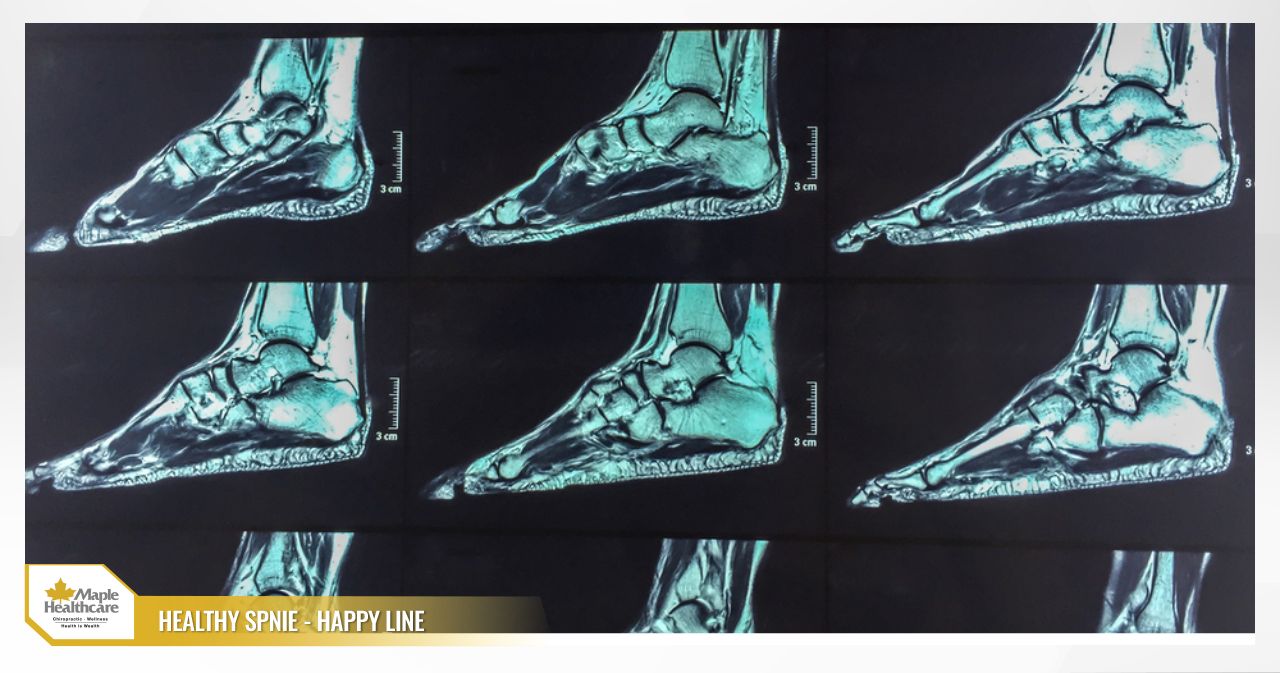
- Magnetic Resonance Imaging (MRI): Considered the gold standard for detailed assessment of the ligaments, cartilage, and other soft tissues. MRI is typically recommended when a complete ligament rupture is suspected, when associated cartilage damage is possible, or when pain and instability persist without improvement after conservative treatment.
First Aid in the First 48–72 Hours: The PEACE & LOVE Principles
The traditional RICE method (Rest, Ice, Compression, Elevation) has been updated to a more comprehensive framework called PEACE & LOVE, designed to better optimise the healing process for soft tissue injuries.
PEACE (Apply Immediately After Injury)
- P (Protect): Reduce the load on the ankle for the first one to three days. Use crutches if needed to avoid worsening the injury.
- E (Elevate): Raise the injured foot above the level of your heart as often as possible to help reduce swelling.
- A (Avoid anti-inflammatories): The inflammatory response is an important part of the healing process. Avoid unnecessary use of non-steroidal anti-inflammatory drugs (NSAIDs). Use paracetamol for pain relief only as directed by your doctor.
- C (Compress): Apply a compression bandage around the ankle to help limit swelling.
- E (Educate): Learn about your condition and the importance of active recovery. Try to avoid over-reliance on passive treatment methods.
LOVE (Apply After the First Few Days)
- L (Load): Gradually begin moving and bearing weight on the ankle within a pain-free range. This helps stimulate tissue repair.
- O (Optimism): Maintain a positive and confident outlook. Psychological factors play an important role in recovery outcomes.
- V (Vascularisation): Engage in gentle, pain-free cardiovascular exercise (such as stationary cycling or swimming) to promote blood flow to the injured area.
- E (Exercise): Carry out rehabilitation exercises to progressively restore range of motion, strength, and balance.
Avoid HARM in the First 48–72 Hours
- H (Heat): Do not apply heat packs, take hot baths, or use a sauna.
- A (Alcohol): Alcohol can increase swelling and slow down the healing process.
- R (Running): Avoid running or any other strenuous activity.
- M (Massage): Avoid deep or forceful massage directly on the injured area in the first few days.
Treatment: Non-Surgical and Surgical Options
The good news is that the vast majority of ankle ligament tears — including many complete Grade III ruptures — can recover well with conservative (non-surgical) treatment.
Non-Surgical (Conservative) Treatment
This is the primary approach to treatment and typically includes:
- Short-term immobilisation: Using a brace, tape, or walking boot for one to two weeks (Grade II) or longer (Grade III) to protect the joint and allow the ligament to begin healing.
- Pain and swelling management: Applying ice for 15–20 minutes at a time, several times a day. Taking pain relief medication as directed by your doctor.
- Physiotherapy and rehabilitation: This is the cornerstone of full recovery. A comprehensive rehabilitation programme typically includes:
- Exercises to restore range of motion.
- Strengthening exercises for the muscles surrounding the ankle.
- Balance and proprioception training.
- Sport-specific movement drills.
When Is Surgery Considered?
Surgery is generally only considered in the following circumstances:
- A Grade III injury with severe joint instability that has not improved after a period of conservative treatment.
- Recurrent sprains causing chronic instability that significantly affects quality of life.
- Associated injuries such as a fracture or cartilage damage.
- Elite athletes who require maximum joint stability to return to competitive sport.
The most common surgical technique involves repair or reconstruction of the ruptured ligament.
A Phased Rehabilitation Exercise Programme
Important note: Always listen to your body. Only progress to the next phase when you can complete the exercises in the current phase without an increase in pain. It is best to follow this programme under the guidance of a doctor or qualified physiotherapist.
Phase 1: Reducing Pain and Swelling While Maintaining Movement (First Few Days to ~1 Week)
- Alphabet tracing: Sitting in a chair, use your big toe to trace the letters of the alphabet in the air.
- Ankle pumps: Repeatedly flex and point your foot to improve circulation and reduce swelling.
- Isometric contractions: Gently tense the calf muscles in four directions (upward, downward, inward, and outward) without moving the joint, holding each contraction for five to ten seconds.
Phase 2: Restoring Range of Motion and Building Basic Strength
- Calf stretching: Stand facing a wall with the injured foot behind you. Keep your heel flat on the floor and slowly lean forward until you feel a stretch in the calf. Hold for 20–30 seconds.
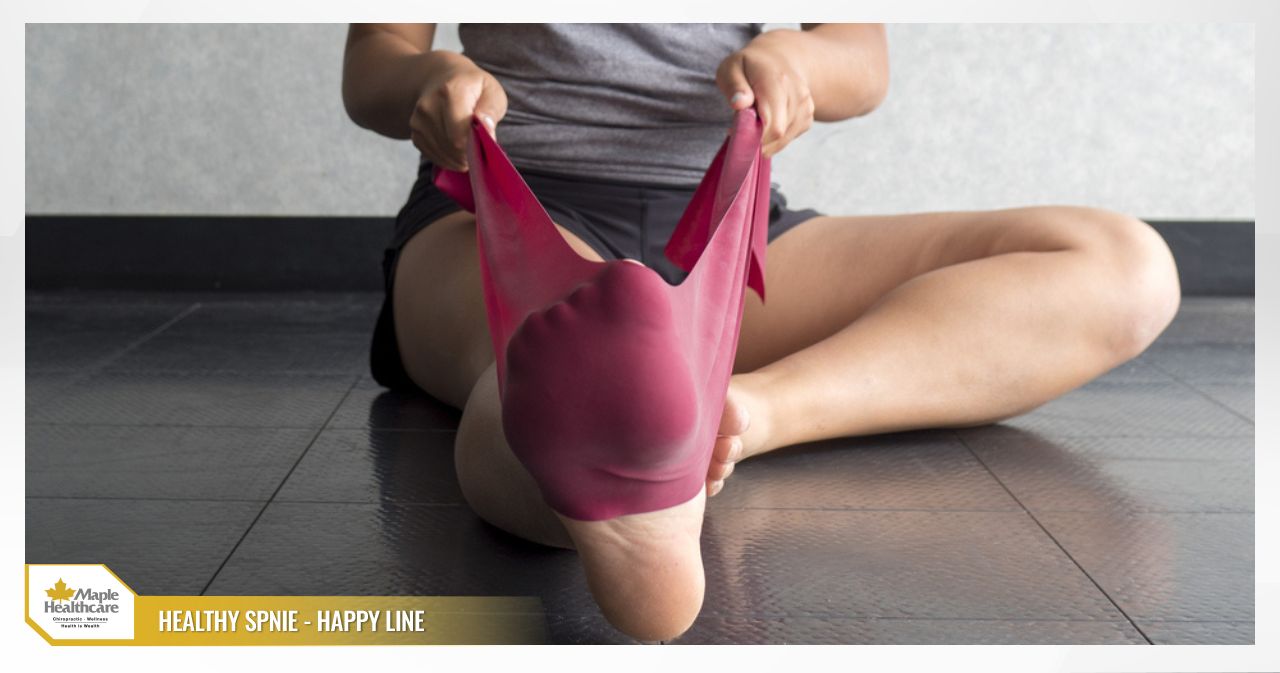
- Resistance band exercises (Theraband): Perform ankle flexion, extension, inversion, and eversion movements against the resistance of the band.
Phase 3: Restoring Balance and Proprioception
- Single-leg standing: Begin by standing on one leg on a flat surface with your eyes open. Gradually increase the difficulty by closing your eyes or standing on an unstable surface (such as a folded cushion or balance pad).
- Balance board or BOSU ball training: Perform standing or gentle squat exercises on these pieces of equipment.
Phase 4: Return to Sport and Activity
- Running: Begin with brisk walking and gradually progress to jogging in a straight line.
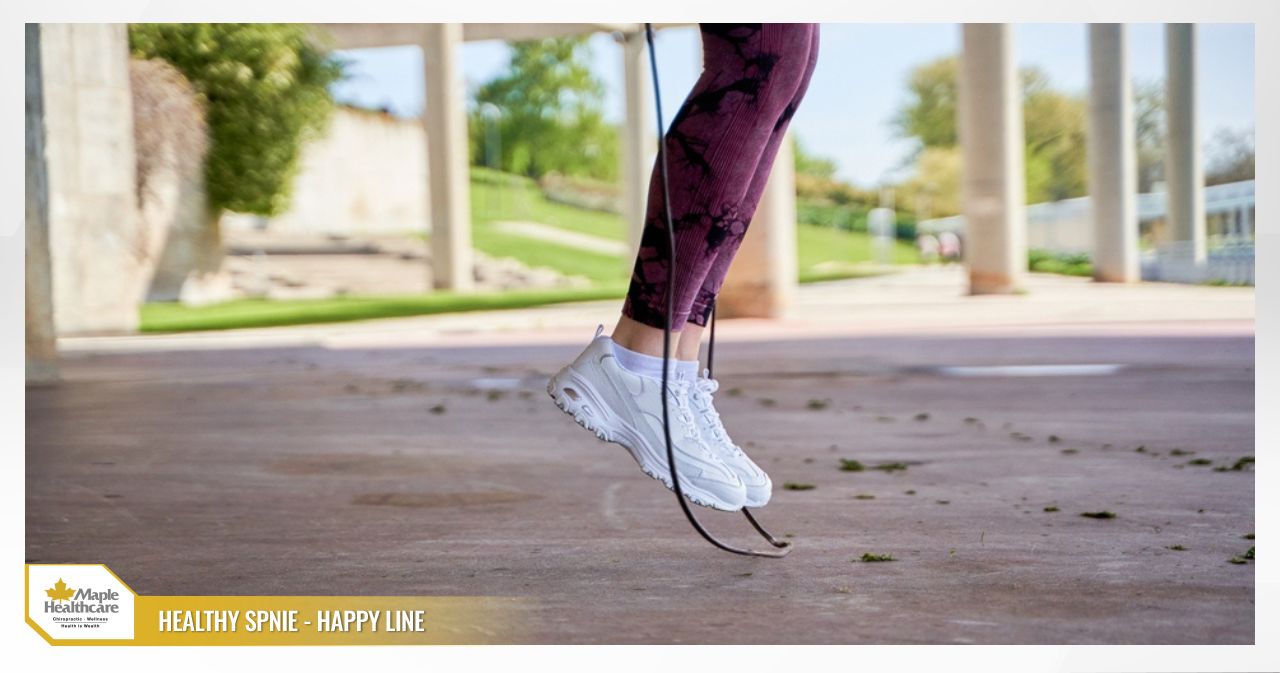
- Jumping and landing: Practise jumping on the spot, skipping rope, and hopping on one foot.
- Change of direction: Progress to zig-zag running, figure-of-eight drills, and cutting and pivoting movements.
Recovery Time: How Long Until You Can Walk, Run, and Jump Again?
Recovery time depends greatly on the severity of the injury and how consistently you follow your rehabilitation programme.
- Grade I: Typically around one to two weeks to return to normal activity.
- Grade II: May take between three and six weeks.
- Grade III: Recovery can take eight to twelve weeks or longer, particularly if surgery is required.
Potential Complications From Improper Treatment or Returning Too Soon
- Chronic ankle instability: A persistent feeling of looseness in the ankle, with repeated sprains occurring easily.
- Chronic pain: Ongoing pain due to poor ligament healing or scar tissue formation.
- Cartilage damage: Repeated injury can damage the cartilage, leading to early ankle joint degeneration.
- Joint stiffness: Caused by prolonged immobilisation and a lack of movement rehabilitation.
Preventing an Ankle Ligament Tear and Reducing the Risk of Recurrence
- Warm up thoroughly before every training session.
- Strengthen the muscles surrounding the ankle.
- Practise balance exercises regularly.
- Wear appropriate footwear suited to your activity and that fits your foot correctly. Limit the use of high heels.
- Take care when walking or running on uneven surfaces.
- Use a brace or supportive taping during sport if you have a history of ankle sprains.
Conclusion
An ankle ligament tear is a common injury, but one that should not be underestimated. Early recognition, correct first aid using the PEACE & LOVE principles, and adherence to a structured rehabilitation programme are the keys to safely returning to daily activities and sport — while also reducing the long-term risk of complications such as chronic pain and joint instability.
If your symptoms are not improving, persist over time, or keep coming back, or if you are unsure about the severity of your injury, seeking a proper assessment is an important step. At Maple Healthcare in Ho Chi Minh City, our clinicians and physiotherapists can accurately assess your condition and develop a personalised conservative management plan — combining chiropractic care, physiotherapy, and targeted rehabilitation exercises — to help you reduce pain, restore movement, and support long-term recovery.
FAQ: Frequently Asked Questions About Ankle Ligament Tears
Does a Grade II ankle ligament tear require surgery?
Answer: The majority of Grade II ligament tears respond well to conservative treatment, including short-term immobilisation and physiotherapy. Surgery is only considered if instability symptoms persist and do not improve after a period of conservative management, or in the case of professional athletes.
When Can I Walk Normally Again After an Ankle Ligament Tear?
Answer: Recovery time depends on the severity of your injury. With a mild sprain (Grade I), you may be able to walk normally within one to two weeks. With a partial tear (Grade II), it may take three to six weeks. The key marker is being able to walk without limping and without pain before resuming normal activities.
Related articles:
Ankle Pain: Causes, Symptoms, Chiropractic Care at Maple Healthcare
Contact for consultation
MAPLE INTERNATIONAL CO., LTD
Phone: 0705 100 100
Tax code: 0311948301
Date Range: 21 - 08 - 2012
Issued: Department of Planning and Investment of Ho Chi Minh City
Healthcare Group Members



Contact Us
COPYRIGHT