
Flat feet in adults occur when the natural arch of the foot collapses or flattens, so that almost the entire sole touches the ground when you stand. This change in structure reduces the foot’s ability to absorb shock and provide leverage during movement.
In adults, flat feet do not only cause discomfort in the feet themselves; they can also contribute to pain in the ankles, knees, hips, and even lower back. Over time, they may alter your gait and negatively affect your quality of life if they are not properly assessed and managed.
This article will help you understand flat feet, how to recognize early signs, potential complications, and especially five non-surgical treatment options for adults that focus on pain relief and functional recovery.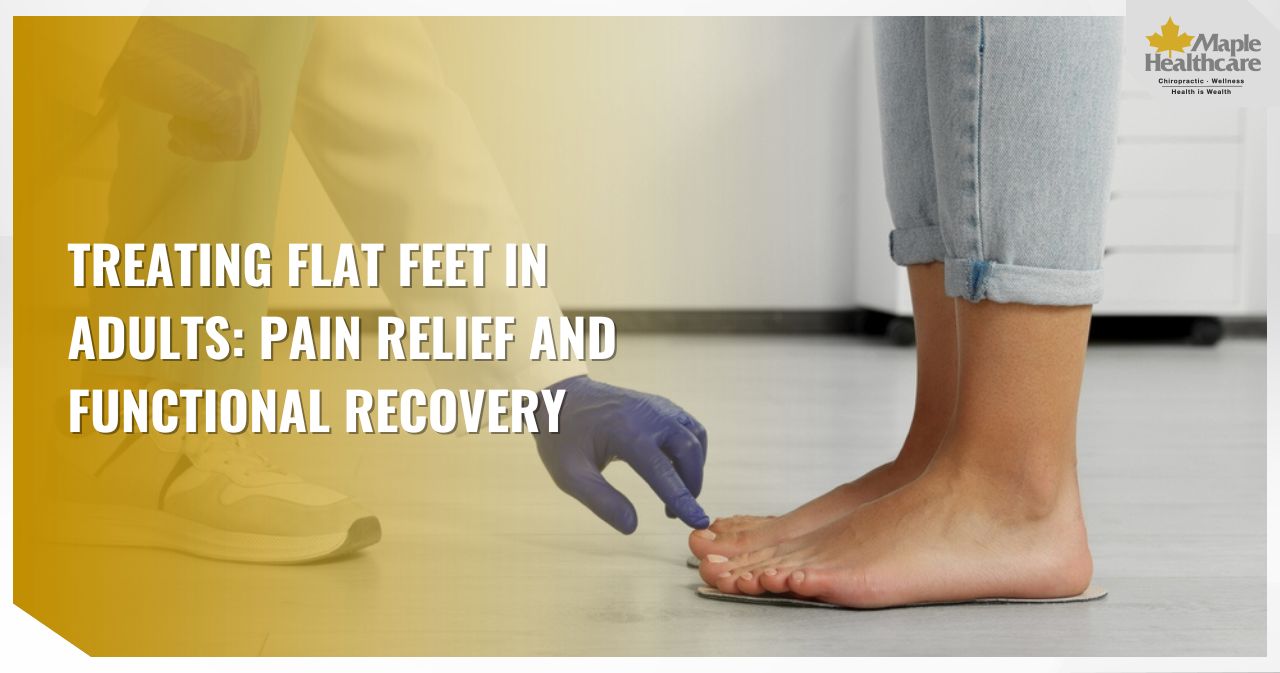


1. How Do Flat Feet Affect Your Health?
Flat feet, also known as fallen arches, occur when the inner longitudinal arch of the foot collapses. When you stand or walk, the sole of the foot comes almost completely into contact with the ground. From a mechanical perspective, the arch of the foot acts like a natural shock absorber, helping to distribute body weight and absorb impact from the ground. When the arch collapses, this function is significantly reduced. As a result, a chain of negative effects can occur throughout the musculoskeletal system:- Poor load distribution Body weight is no longer evenly spread across the foot. Soft tissues such as tendons, muscles, and ligaments in the sole, heel, and ankle can become overloaded, leading to pain and fatigue.
- Increased load on joints higher up When the feet cannot absorb impact effectively, forces are transmitted more directly to the knees, hips, and spine. This explains why many people with flat feet complain of knee, hip, or lower back pain, as the body tries to compensate for instability at its base.
- Abnormal gait patterns
The feet often roll inward excessively during walking (overpronation). This gait pattern increases energy expenditure and can cause imbalance. Over time, it may affect posture and overall quality of life. Treatment becomes more important when these effects start to interfere with your daily activities.
2. Signs and Symptoms of Flat Feet in Adults
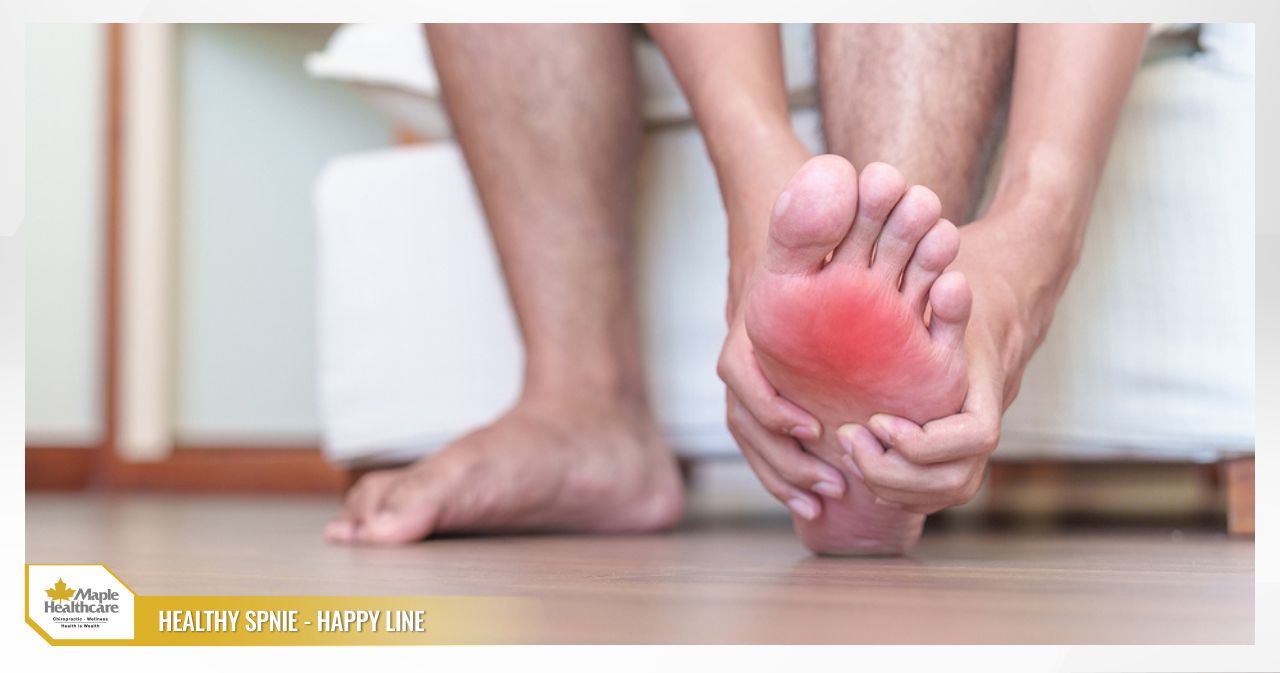
Many adults live with flat feet without realizing it until symptoms become obvious and painful. Common signs that may indicate flat feet include:- Pain and fatigue in the soles of the feet This is the most typical symptom, especially pain along the arch and heel. Discomfort often worsens after standing for long periods, walking long distances, or doing physical activities.
- Swelling along the inner ankle The inner side of the ankle may become mildly swollen due to irritation or inflammation of tendons and soft tissues in that area.
- Changes in your gait You may notice a waddling or rolling gait, with the feet turning outwards and the ankles tilting inward.
- Pain that spreads to other regions Pain does not always stay at the feet. It can radiate up the calves, knees, hips, and lower back due to misalignment of the lower limbs.
- Uneven shoe wear Check the soles of your shoes. If the inner edge wears out significantly faster than the outer edge, this is a strong sign that you may have flat feet and excessive pronation.
- Difficulty standing on tiptoes Rising up onto your toes may feel difficult or painful because the muscles and tendons that support the arch are not working efficiently.
Simple At-Home Test for Flat Feet
- Wet footprint test Wet the sole of your foot, then stand on a flat surface such as cardboard or a dry concrete floor. If the footprint shows almost the entire sole of the foot, you may have flat feet. A normal foot usually leaves a distinct curve along the inner side, showing a clear arch.
3. Can Flat Feet in Adults Be Cured?
This is one of the most common questions patients ask. The good news is that flat feet in adults can often be managed effectively, and symptoms can be significantly improved. While it is usually very difficult to restore the arch to its original structure in adults, the main goals of treatment are to:- Reduce pain and fatigue
- Improve function and stability
- Prevent further deformity
- Support your everyday activities and quality of life
4. Five Effective Non-Surgical Treatments for Flat Feet in Adults
Modern approaches to treating flat feet in adults often focus on a multimodal conservative strategy, combining several therapies to address both mechanical and functional issues. At Maple Healthcare in Ho Chi Minh City, clinicians prioritize non-pharmacological, non-surgical approaches where appropriate, to help patients recover as safely and sustainably as possible.4.1. Chiropractic Care
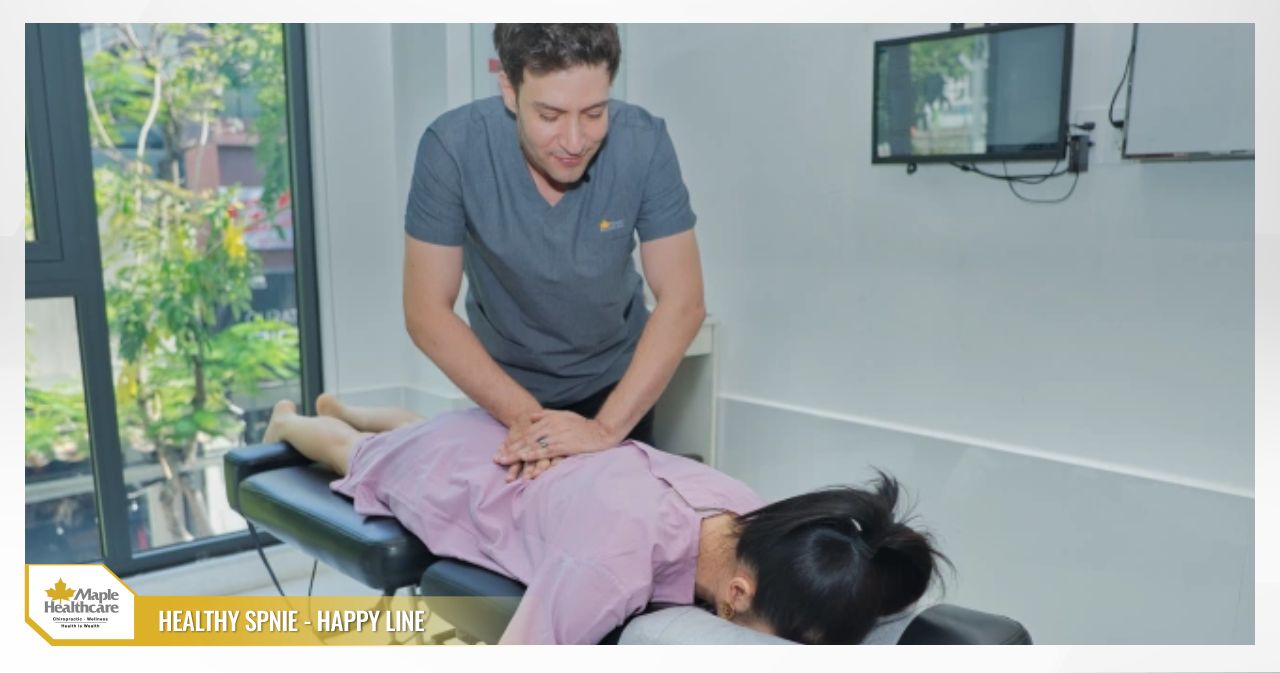
Many people are surprised to learn that chiropractic care can support the management of flat feet. However, the body functions as a connected kinetic chain: misalignment at the feet can contribute to problems in the knees, hips, and spine-and the reverse is also true. Goal Chiropractors work to adjust joints in the spine, pelvis, knees, ankles, and feet to optimize alignment and function across the entire movement system. This may help:- Reduce abnormal pressure on the feet
- Improve posture
- Relieve back and hip pain associated with flat feet and altered lower-limb mechanics
4.2. Physiotherapy and Rehabilitation
Physiotherapy and rehabilitation are key pillars in the treatment of flat feet in adults. Exercise programs are specifically designed to target underlying issues. Core components may include:- Stretching exercises Focused on tight structures such as the Achilles tendon and calf muscles, stretching helps improve ankle flexibility and reduces strain on the arch.
- Strengthening exercises Resistance exercises target the muscles that support the arch, especially the posterior tibial muscle (a primary arch supporter) and the intrinsic muscles of the foot.
- Balance and proprioception training Standing on one leg or on unstable surfaces (such as foam pads) helps “re-educate” the nervous system to better control foot and ankle position.
- Reduce pain
- Improve arch stability
- Enhance gait and overall movement patterns
- Lower the risk of overuse injuries
4.3. Custom Orthotic Insoles
Medical-grade orthotic insoles are a valuable support tool. Unlike generic over-the-counter inserts, custom orthotics are designed based on your individual foot shape and gait pattern. How they help:- Support and elevate the arch
- Redistribute pressure across the entire sole
- Help control excessive inward rolling of the ankle (overpronation)
- Reduce stress on joints and soft tissues higher up the chain
- A clinician assesses your feet, alignment, and gait.
- A 3D scan or physical mold of your feet may be taken.
- Custom insoles are fabricated to match your foot structure and clinical needs.
4.4. Home Exercises to Support Flat Feet
Maintaining a consistent home exercise routine is critical for long-term success. These exercises are simple but can be very effective when practiced regularly.- Short-Foot Exercise Sit on a chair with your foot flat on the floor. Gently contract the muscles in the sole to draw the front of the foot slightly toward the heel, creating a small arch (without curling your toes). Hold for 5–10 seconds, repeat 10–15 times.
- Towel curls Place a towel on the floor and use your toes to scrunch and pull the towel toward you. This helps strengthen the intrinsic muscles of the foot.
- Heel raises Stand upright and slowly lift your heels as high as you comfortably can, then lower them back down. Start with both feet, and progress to single-leg heel raises when you are stronger.
- Achilles tendon stretch Stand facing a wall. Step one leg forward and bend the front knee. Keep the back leg straight with the heel on the floor. Lean forward gently until you feel a stretch in the calf of the back leg. Hold for 30–45 seconds, then switch sides.
- Perform the exercises slowly and with control.
- Listen to your body and stop if you feel sharp or worsening pain.
- If you are unsure, consult a clinician or physiotherapist for guidance before starting.

4.5. Lifestyle Changes and Weight Management
Small adjustments in daily habits can make a meaningful difference for your feet.- Weight management If you are overweight, gradual weight loss can significantly reduce the load on your feet and lower limbs.
- Choosing appropriate footwear Prioritize shoes with a firm sole, stable heel support, and either built-in arch support or enough space to accommodate orthotics, and avoid very soft, unsupportive footwear, flip-flops, or high heels for prolonged periods.
- Activity modification When you are experiencing pain, temporarily reduce high-impact sports such as running and jumping. Low-impact activities like swimming or cycling are often more comfortable while you build strength and stability.
5. Possible Complications If Flat Feet Are Not Treated
Ignoring symptoms of flat feet can contribute to more persistent and complex problems over time, such as:- Tendonitis and plantar fasciitis Ongoing overload can cause inflammation in tendons around the ankle and in the plantar fascia at the bottom of the foot, leading to chronic pain.
- Foot deformities Long-term imbalance may contribute to deformities such as bunions (hallux valgus) or hammer toes.
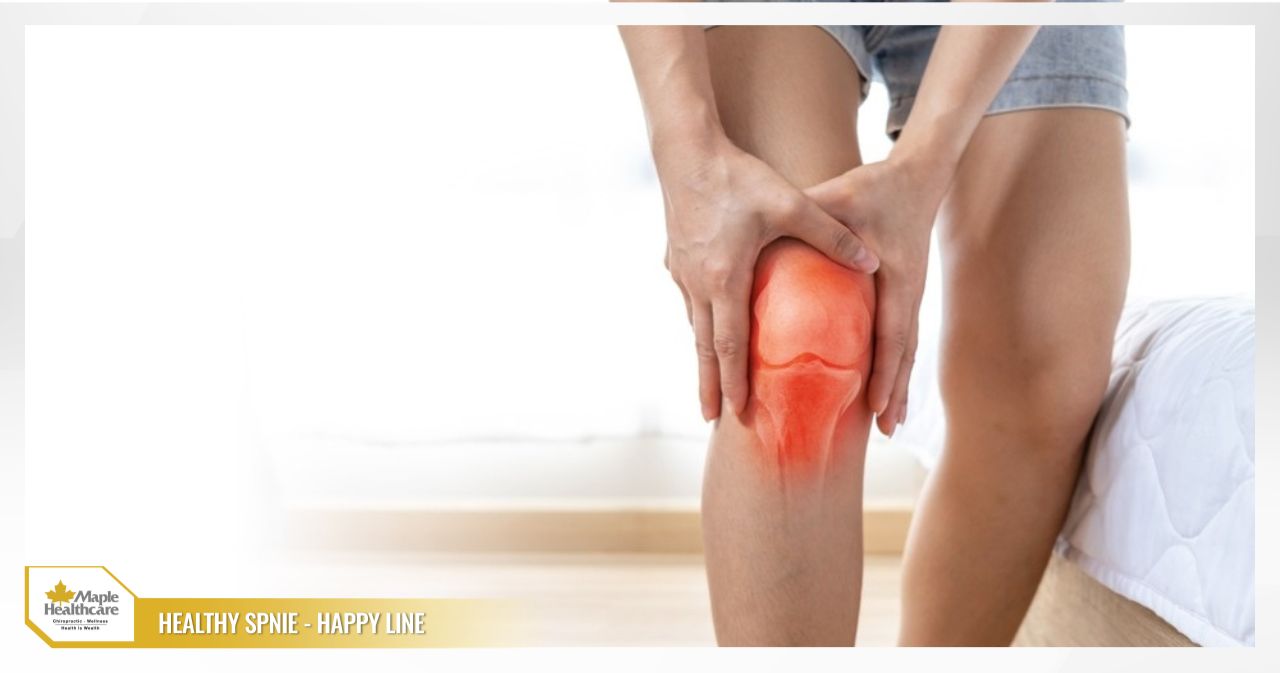
- Early joint degeneration Misalignment of the lower limbs can increase the risk of early osteoarthritis in the ankle and especially the knee.
- Chronic lower back pain
Imbalance starting at the feet can travel up the kinetic chain and contribute to persistent low back pain or aggravate spinal curvature in some individuals.
6. Can Adults with Flat Feet Still Play Sports?
The answer is yes, but your choices and training plan should be adjusted. Physical activity is important for overall health, but people with flat feet are usually advised to favour lower-impact sports, especially if symptoms are not yet well controlled. Recommended activities:- Swimming
- Cycling
- Yoga
- Pilates
- Walking on flat, even surfaces
- Long-distance running
- Football (soccer)
- Basketball
- Tennis
- Sports that involve frequent jumping, sudden changes in direction, or high impact
- Always wear appropriate footwear and use orthotics if prescribed.
- Warm up thoroughly and stretch after exercising.
- Increase training intensity gradually-aim for no more than about 10% progression per week.
- Listen to your body and rest if you notice pain or swelling.
7. Where Should Adults with Flat Feet Seek Treatment?
For optimal results, you should seek care at reputable clinics or medical facilities with expertise in spine, musculoskeletal medicine, or rehabilitation. A good treatment center should be able to:- Provide experienced clinicians and therapists
- Assess the entire movement system, including gait and posture analysis
- Offer multimodal, individualized treatment plans
- Provide advanced conservative therapies such as chiropractic care, physiotherapy, rehabilitation, and medical-grade custom orthotics
8. Preventing Problems and Keeping Your Feet Healthy
Whether or not you already have flat feet, taking care of the “foundation” of your body is always important. You can:- Maintain a healthy body weight
- Regularly perform stretching and strengthening exercises for your feet and lower limbs
- Choose high-quality, well-fitting footwear appropriate for your daily activities
- Avoid standing or walking for very long periods on hard surfaces when possible
- Seek professional assessment early if you notice unusual pain, fatigue, or changes in your feet or gait
9. Conclusion
Flat feet in adults are common but should not be underestimated. They can be a contributing factor in many painful conditions and postural issues throughout the body. The positive news is that, with modern conservative care, many cases can be well controlled. Non-surgical treatment plans that combine chiropractic care, physiotherapy, medical-grade orthotics, and appropriate lifestyle changes can:- Reduce pain
- Improve function and stability
- Help prevent or limit long-term complications

FAQ: Common Questions About Flat Feet in Adults
- Can flat feet in adults go away on their own?
- When should I see a doctor about flat feet?
- Can orthotic insoles make my arch grow back?
- I have flat feet – can I still walk for exercise?
Related articles:
The Risks of Flat Feet: Signs, Identification, and Effective TreatmentContact for consultation
MAPLE INTERNATIONAL CO., LTD
Phone: 0705 100 100
Tax code: 0311948301
Date Range: 21 - 08 - 2012
Issued: Department of Planning and Investment of Ho Chi Minh City
Healthcare Group Members



Contact Us
COPYRIGHT