
Have you ever noticed that the soles of your feet-or your child’s feet-are completely flat and lack the usual indentation or arch? This is one of the clearest signs of flat feet, a common condition that is often overlooked.
Many people wonder: Is having flat feet dangerous? And if so, how can it be managed safely?
This article, consulted by the musculoskeletal experts at Maple Healthcare, provides a comprehensive A–Z guide: what flat feet are, visual signs to look for, hidden risks, and most importantly, how to treat the condition in a safe, realistic, and effective way.

Early detection is key to effective intervention. It helps to distinguish between:

1. What Are Flat Feet?
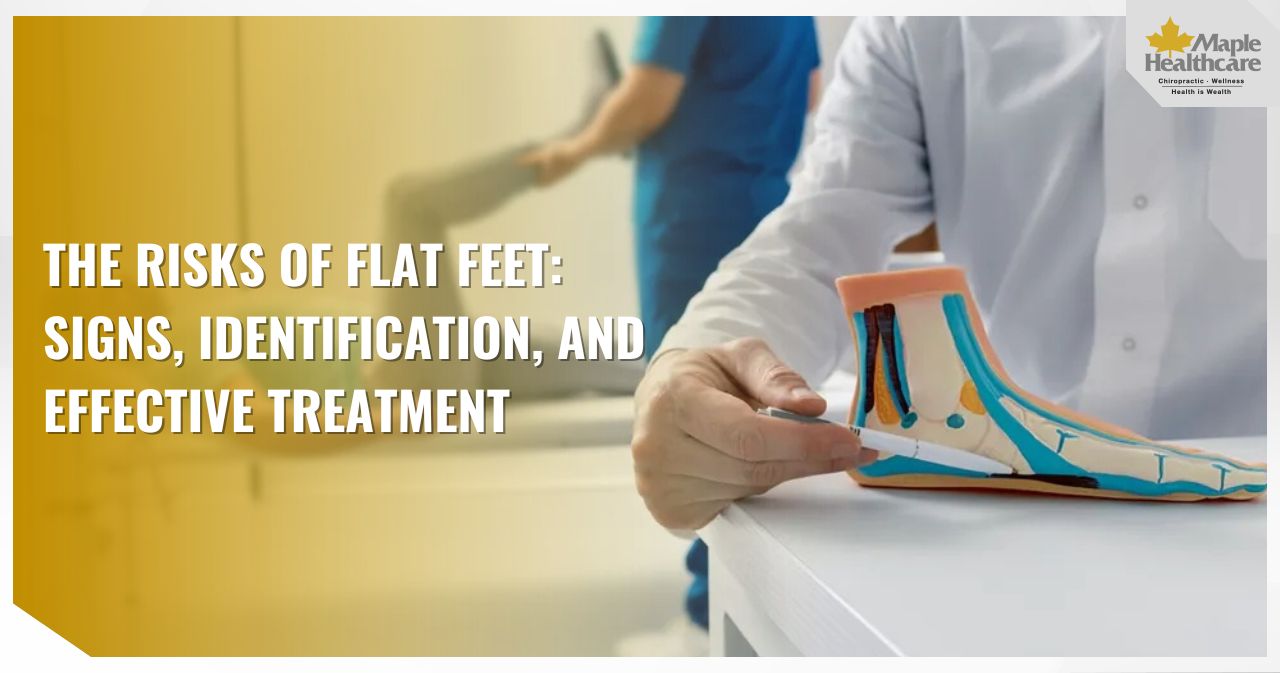
Flat feet (medical term: pes planus) is a condition where the physiological arch of the foot is lowered or collapses completely. This causes the entire (or nearly the entire) sole of the foot to touch the floor when standing, rather than weight being borne only by the outer edge and main contact points. Normally, the foot has a natural arch structure. This arch acts as a shock absorber, distributing body weight evenly, absorbing impact from the ground when moving, and creating flexibility for every step. When this arch does not exist, the body’s force distribution mechanism becomes less efficient, increasing pressure on the joints and leading to pain or movement problems over time. This condition is very common in young children because their ligaments and muscles are still loose, but the arch usually forms naturally as the child grows.However, if flat feet persist beyond the early school years, or if your child has pain, gait changes, or frequent tripping at any age, this may be a sign of structural flat feet that deserve closer evaluation. In adults, new-onset flat feet should also be assessed carefully to rule out tendon or joint problems. Classification of Flat Feet- Flexible Flatfoot: This is the most common form. The arch appears when you sit or stand on your toes (non–weight bearing) but collapses when you stand flat (weight bearing).
- Rigid Flatfoot: The arch does not appear even when you are not bearing weight. This type is usually related to structural bone issues and can cause more significant pain.
2. The 3 Levels of Severity
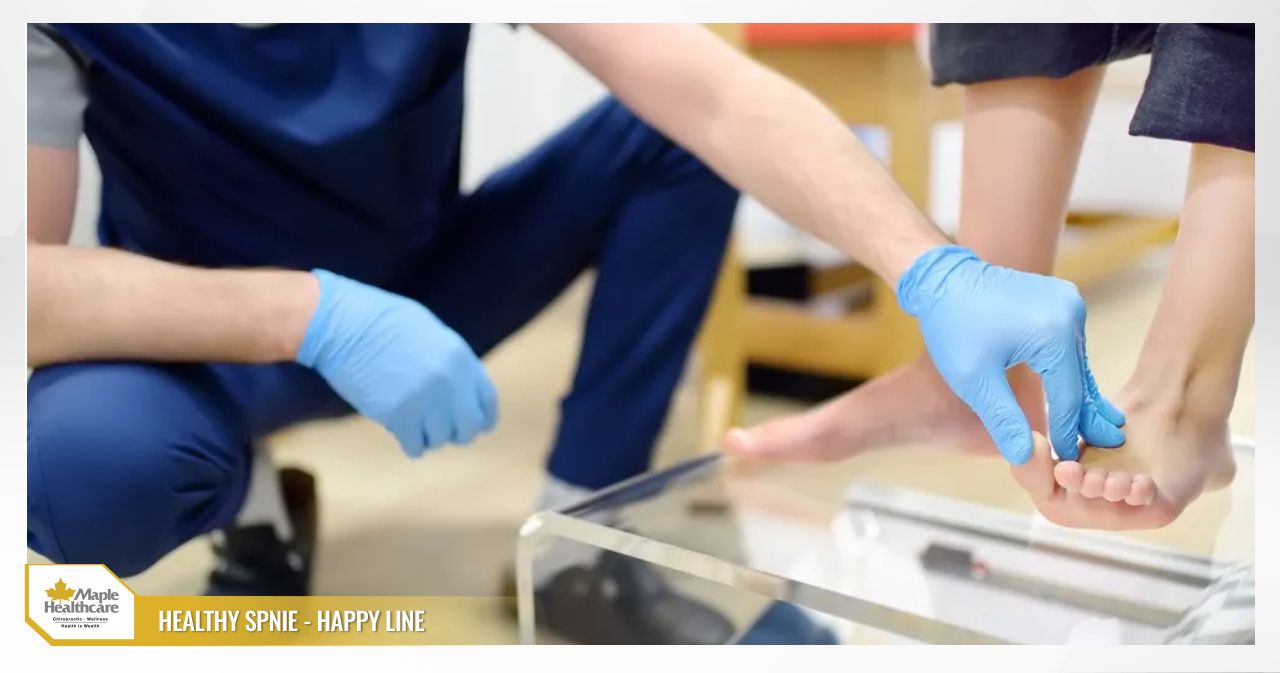
Classifying the severity of flat feet helps doctors and physiotherapists determine appropriate interventions and predict potential risks.2.1. Mild Level
At this stage, the arch still partially exists when resting and only collapses clearly when standing for long periods or during heavy activity. Symptoms are often unclear; you may only feel slight leg fatigue after a long day of activity. This stage is ideal for early intervention with specific exercises and proper footwear choices.2.2. Moderate Level
The arch almost completely disappears when bearing weight. Pain begins to appear more frequently in the arch, heel, and ankle. You may feel uncomfortable playing sports or walking long distances. Your gait also begins to show signs of misalignment that are easier to notice.2.3. Severe Level
The arch is completely flat even when not bearing weight. Pain can occur even when walking or standing for a short time. This level is often accompanied by distinct structural deformities such as bunions (valgus deformity of the big toe) or hammertoes. Pain is not limited to the foot but can radiate to the knees, hips, and lower back, seriously affecting daily life.3. Potential Complications If Left Untreated
Is having flat feet dangerous? The answer is yes-especially when the condition is not detected and managed in time. The loss of the natural arch structure creates a “domino effect,” causing a series of serious problems for the entire musculoskeletal system. Foot Structural Deformity: When walking, the inner edge of the foot constantly presses against the ground. Over time, this can push the big toe inward, forming a painful bony bump (bunion) at the base of the toe, making it difficult to wear shoes. Ankle Arthritis and Degeneration: The ankle must bear greater force than normal because the arch’s shock-absorbing ability is reduced. Prolonged overload can damage joint cartilage, cause bursitis, and accelerate degenerative changes. Early Knee Osteoarthritis: Flat feet cause the lower leg bones to rotate inward while moving, twisting the knee joint out of its natural axis. This misalignment increases pressure on the inner surface of the knee, wearing down cartilage and leading to inflammation and early arthritis. Other Painful Complications: Common effects include heel spurs, plantar fasciitis, Achilles tendon problems, shin pain, and chronic lower back pain due to poor posture. Movement Limitations and Injury Risk: People with flat feet often have a “heavy,” less flexible gait, reducing balance and increasing the risk of falling or sports injuries. Long term, an abnormal gait can also cause self-consciousness about appearance. Scoliosis and Postural Misalignment Risk: When the ankles and knees rotate, the pelvis tilts, forcing the spine to “curve” to maintain balance. In growing children, this prolonged compensation can contribute to scoliosis or worsen existing curvature (uneven shoulders, back leaning to one side), causing the child to tire quickly when standing or sitting.4. How to Identify Signs of Flat Feet
Early detection is key to effective intervention. It helps to distinguish between:
- Signs – what can be observed or measured.
- Symptoms – what you feel.
4.1. Direct Observation When Standing (Weight Bearing)
- Soles: The entire or nearly the entire sole touches the floor.
- Ankles and Heels: The ankles tend to lean inward; the heels tilt inward instead of standing straight.
- Knees: The knees tend to knock together, creating an X-shaped leg appearance (knock-knees).
4.2. The Wet Foot Test at Home
Simply wet the sole of your foot and step onto a flat, dry surface (like concrete or heavy paper). If the footprint is full and solid, without the usual indentation curve in the middle, there is a high probability you have flat feet.4.3. Check Shoe Wear Patterns
Flip over a pair of shoes you wear often. If the sole is worn significantly more on the inner edge, it is a strong sign of uneven force distribution caused by flat feet.4.4. Abnormal Gait
- When walking, the feet tend to point outward, forming a V-shape.
- Steps look heavy, lacking lightness and stability.
- Some children may walk awkwardly and trip more often than their peers.
4.5. Other Symptoms
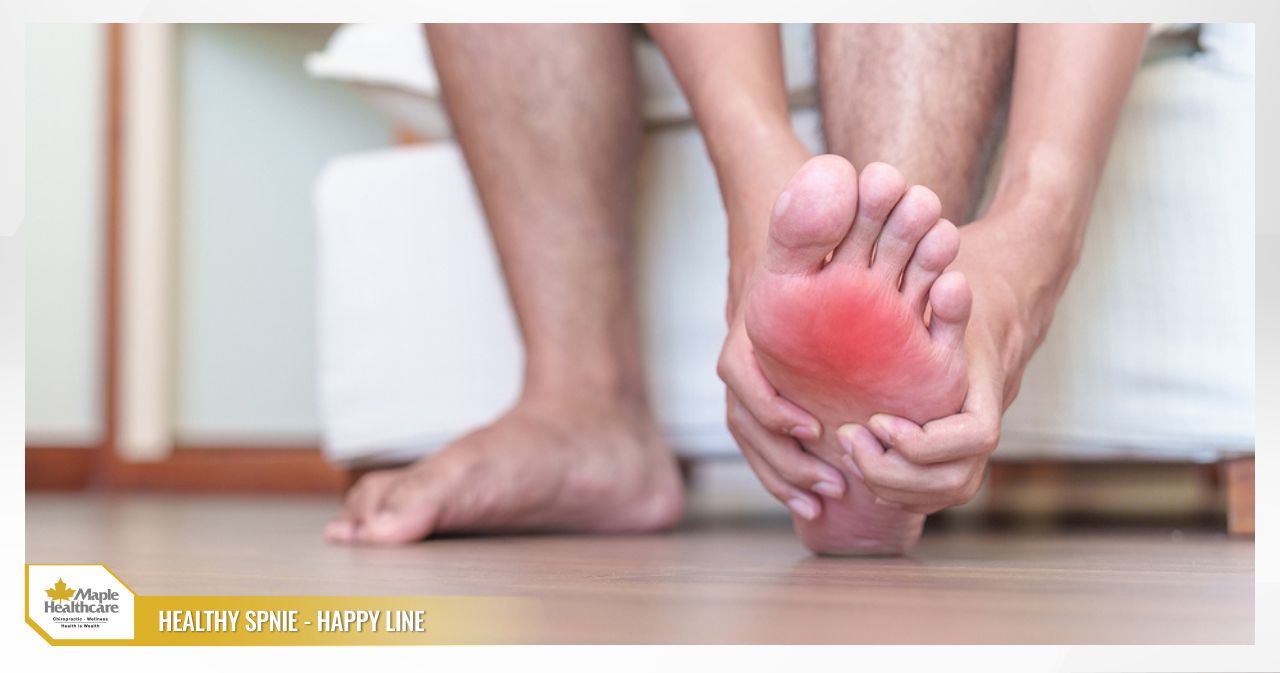
- Pain: Dull or sharp pain in the sole, heel, ankle, shin, knee, hip, or lower back. Pain typically increases after standing a long time, walking, or playing sports.
- Fatigue: A feeling of tiredness along the inner edge of the foot.
- Swelling: Mild swelling may appear in the inner ankle or sole.
- Clumsiness:
Reduced flexibility; feeling clumsy when performing activities requiring agility like running or jumping.
5. Who Is at Risk?
Anyone can develop flat feet, but the following groups are at higher risk:5.1. Children
Most infants and young children have physiological flat feet. This is normal, and the arch will gradually form and complete around age 6. However, habits like walking barefoot on hard floors or wearing flat sandals too often from a young age can hinder natural arch formation.5.2. Adults
Flat feet can develop or worsen in adulthood due to:- Trauma: Fractures or torn ligaments in the foot or ankle.
- Overweight/Obesity: Excess body weight puts substantial pressure on the arch, causing it to gradually collapse.
- Medical Conditions: Rheumatoid arthritis or diabetes can weaken tendons and ligaments.
- Pregnancy: Hormonal changes and weight gain during pregnancy can make ligaments looser, contributing to temporary or permanent flat feet.
5.3. The Elderly
The natural aging process weakens the posterior tibial tendon-the main tendon responsible for holding up the arch. When this tendon weakens, the arch can gradually collapse, leading to adult-acquired flatfoot and increasing the risk of falls due to loss of balance.6. Causes of Flat Feet
The causes are diverse and may include one or a combination of factors:- Genetics: This is the most common factor. If parents have flat feet, children are at higher risk.
- Abnormal Bone Structure or Joint Laxity: Some people are born with loose joints or bone structures that do not favor arch formation.
- Lifestyle Habits: Walking barefoot on hard surfaces, or wearing flat shoes with no support for long periods.
- Trauma: Injuries to the foot or ankle.
- Obesity: Excessive pressure on the feet.
- Aging: Natural weakening of connective tissues and tendons.
- Underlying Diseases: Arthritis, diabetes, or neuromuscular conditions.
- Pregnancy: Hormonal changes and increasing body weight.
7. Effective Ways to Treat Flat Feet
The good news is that most cases can be controlled effectively with conservative methods without surgery. At Maple Healthcare, clinicians prioritize a comprehensive, personalized approach, starting with the safest and least invasive solutions.7.1. Conservative, Non-Surgical Treatment
This is the top choice and brings high effectiveness for the majority of patients. Medical-Grade Orthotics (Insoles): Orthotics are a key part of many treatment plans. They are custom-designed based on your specific foot mold to:- Support the arch.
- Realign the heel and ankle axis.
- Redistribute pressure more evenly.
- A firm, stable heel counter.
- Built-in arch support.
- Enough room for the toes.
- Stretch the Achilles tendon (if tight).
- Strengthen the muscles supporting the arch (especially the posterior tibial muscle).
- Improve flexibility, balance, and control.
7.2. Invasive Surgery
Surgery is the last resort, considered only when:- Conservative treatments have been applied for a sufficient period without adequate improvement.
- Pain is severe, persistent, and heavily affects quality of life.
- There is distinct structural bone deformity.
7.3. The 5-Step Treatment Roadmap at Maple Healthcare
At Maple Healthcare, we are proud to be a specialized clinic for spinal and musculoskeletal issues, offering a comprehensive protocol combining Chiropractic – Physiotherapy – Rehabilitation to address key mechanical causes of flat feet. The combination of 3D scanning, specialized insoles, and targeted exercises helps support the natural arch, balance the joints, improve gait, and reduce the risk of future complications. 5 Steps of Treatment at Maple Healthcare:- Comprehensive Screening 3D foot scanning and in-depth assessment of the foot–knee–spine alignment to identify the true contributing factors.
- Clear Analysis The doctor explains the condition in detail and provides a specific protocol for each case-ensuring patients and families understand every step.
- Safe Adjustments & Therapy Applying Chiropractic adjustments and rehabilitation exercises to balance the musculoskeletal system and gradually reduce misalignment.
- Custom Orthotics Design Insoles are measured, cut, and adjusted specifically for each case to support the arch and help maintain proper alignment during daily walking.
- Periodic Follow-up The doctor monitors progress at every visit and adjusts the protocol when needed to support long-term, stable results.

Conclusion
Flat feet are not just a cosmetic issue; they are a mechanical condition that can lead to significant problems in the knees, hips, and spine if left unaddressed. The good news is that by detecting signs early, choosing appropriate footwear and orthotics, and following a structured physiotherapy and rehabilitation program, many people can control their symptoms and maintain a more active, comfortable life. If you are concerned about flat foot symptoms or would like a clear, accurate diagnosis, you may want to book an appointment with the specialists at Maple Healthcare to develop a personalized treatment plan that supports more stable, confident steps.FAQ: Frequently Asked Questions
- Will flat feet in children go away on their own?
- What signs indicate I should see a doctor for flat feet?
- Can adults with flat feet be completely cured?
- Do I have to wear medical orthotics for the rest of my life?
Related articles:
Flat Feet Explained: Diagnosis, Treatment, and Prevention Ankle Pain: Causes, Symptoms, Chiropractic Care at Maple HealthcareContact for consultation
MAPLE INTERNATIONAL CO., LTD
Phone: 0705 100 100
Tax code: 0311948301
Date Range: 21 - 08 - 2012
Issued: Department of Planning and Investment of Ho Chi Minh City
Medical Practice License: No. 08834/HCM-GPHĐ
Healthcare Group Members



Contact Us
COPYRIGHT