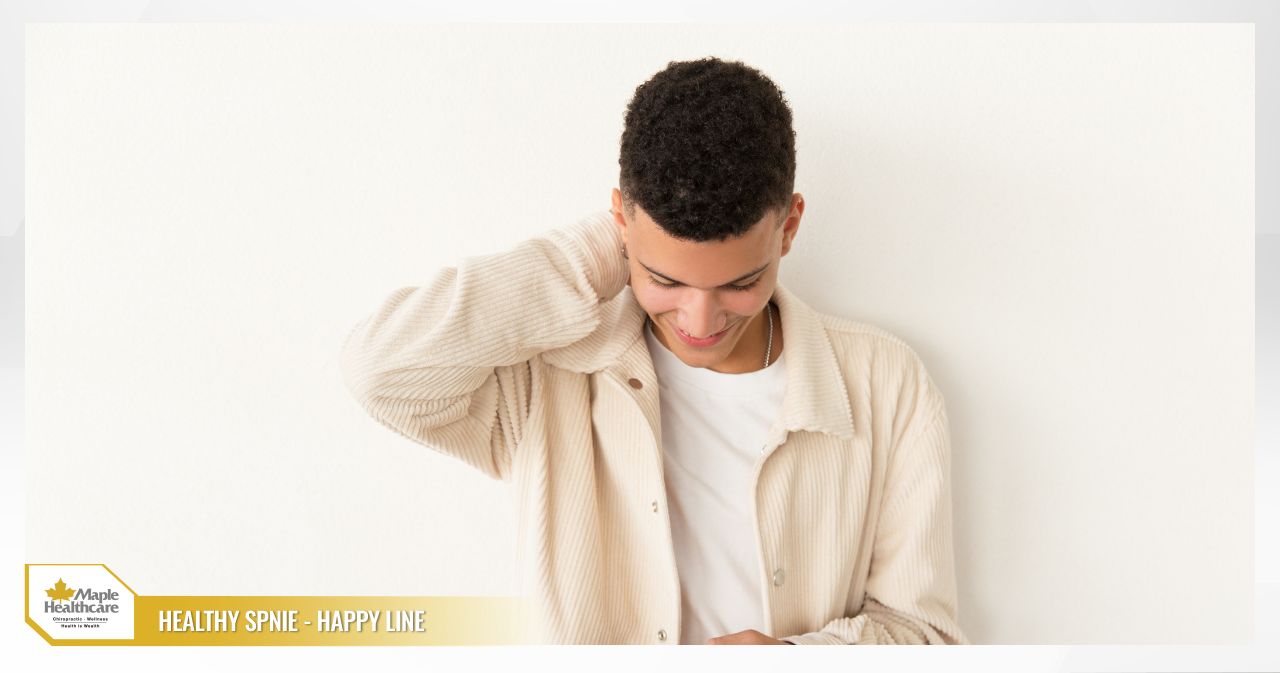
Do you frequently experience pain, stiffness, or aching in your neck and shoulders? Sometimes, does the pain radiate down your arm, causing uncomfortable numbness? These could be early warning signs of cervical spondylosis – a highly common condition, not just in older adults, but increasingly affecting younger people due to modern lifestyles.
Cervical spondylosis, also known as cervical osteoarthritis, is the process where structures such as cartilage, discs, and bones in the cervical spine wear down and weaken over time. This condition is becoming more prevalent due to habits like sitting with poor posture for hours, frequently looking down at phones, and a lack of physical activity.
The good news is that while the natural aging process cannot be completely reversed, you can effectively manage your symptoms and maintain an active lifestyle. This article provides a comprehensive and detailed overview of cervical spondylosis, from early recognition and underlying causes to diagnostic methods, and realistic treatment, exercise, and prevention plans.
What Is Cervical Spondylosis?
Cervical spondylosis is an age-related, chronic wear-and-tear condition affecting the joints, discs, and bones of the neck. It is also referred to as cervical osteoarthritis. Over time, these changes can lead to pain, neck stiffness, and restricted movement.
To better understand this, let’s look at how each structure is affected:
- Cartilage wear: The smooth cartilage lining the joints between the cervical vertebrae gradually wears away. As the cartilage erodes, the ends of the bones may rub against each other, causing pain and inflammation when you move your neck.
- Disc degeneration and dehydration: The discs act as shock-absorbing cushions between your vertebrae. As we age, these discs lose water content, becoming dry, stiff, and less elastic. This makes them more prone to collapsing, bulging, or tearing, which can put pressure on nerve roots or the spinal cord.
- Bone spur formation (Osteophytes): When cartilage and discs are damaged, the body responds by growing small, extra bony projections, called bone spurs, in an attempt to stabilize the spine. However, these spurs can press against nearby nerves or blood vessels, causing pain and neurological symptoms.
- Ligament thickening and stiffening: The ligaments connecting your spinal bones can become thicker and less flexible with age, making your neck feel stiff and harder to move.
Cervical Spondylosis vs. Cervical Disc Herniation: Although they often occur together, cervical spondylosis is a chronic, gradual process caused by aging. In contrast, a cervical disc herniation is usually more acute, occurring when the tough outer layer of a disc tears, allowing the jelly-like inner core to push out and suddenly compress a nerve root or the spinal cord.
Signs and Symptoms of Cervical Spondylosis
In the early stages, many people with cervical spondylosis may not notice any clear symptoms. However, as the condition progresses, the following signs may appear:
Localized Neck and Shoulder Symptoms
- Neck pain and stiffness: This is the most common symptom. The pain can be a dull ache or sharp, and often worsens when you hold your neck in one position for an extended period, such as when driving or reading. It is typically more noticeable in the morning after waking up or when the weather changes.
- Reduced range of motion: You may find it difficult to turn your head, look up, or look down.
- Clicking or grinding noises: When moving your neck, you might hear a clicking sound or feel a grinding sensation (crepitus) due to worn joint surfaces rubbing together.
- Radiating shoulder pain: The pain may not be isolated to the neck; it can spread outward to the shoulders and shoulder blades.
Neurological Symptoms
If bone spurs or bulging discs press on nerve roots or the spinal cord, the following symptoms may occur:
- Numbness, tingling, or arm weakness: You might feel a “pins and needles” sensation, numbness, or weakness in your arm, hand, and fingers. This often affects just one side.
- Lhermitte’s sign: A sensation resembling an electric shock that runs down your spine and into your limbs when you bend your head forward. This can be a warning sign of cervical spinal cord compression.
Head and Vestibular Symptoms
- Headaches: The pain often starts at the back of the head (occipital region) and radiates to the top of the head, temples, or even behind the eyes.
- Dizziness and loss of balance: Compression of the vertebral arteries supplying the brain or certain nerves can make you feel dizzy or unsteady, especially when changing positions quickly, like standing up or sitting down.
Red Flag Symptoms: When to Seek Immediate Medical Care
If you experience any of the following symptoms, please see a medical professional immediately:
- Rapidly progressing numbness or muscle weakness spreading in your arms or legs.
- Loss of balance, difficulty walking, or clumsiness with fine motor tasks (e.g., buttoning a shirt).
- Loss of bowel or bladder control.
- Severe, unrelenting pain.
- Accompanied by a fever, unexplained weight loss, or if you have a history of trauma or cancer.
Causes and Risk Factors of Cervical Spondylosis
Age is the primary cause, but several other factors can accelerate this process.
- Natural aging: This is an unavoidable factor. Over time, the structures of the spine gradually lose their flexibility and durability.
- Occupation and lifestyle:
- Desk jobs: Sitting for hours in front of a computer with poor posture (forward head, rounded shoulders) increases pressure on the cervical spine.
- Smartphone use: The habit of looking down at a screen (text neck) places a massive load on the neck.
- Physical labor: Occupations like long-haul driving, construction, or jobs requiring frequent heavy lifting carry a higher risk due to repetitive micro-traumas.

- Poor posture: Incorrect daily postural habits, such as sleeping with a pillow that is too high, also contribute to an accelerated rate of degeneration.
- Other factors:
- Past neck injuries: A previous accident or injury can damage the spine and speed up the degenerative process.
- Genetics: Family history plays a role in how your spine ages.
- Obesity and smoking: Excess weight adds load to the joints, while smoking reduces blood flow that nourishes the discs and other tissues.
- Chronic stress: Prolonged stress causes neck and shoulder muscles to remain tense, adding extra pressure on the spine.
Potential Complications If Left Untreated
If not properly managed, cervical spondylosis can lead to more serious complications.
- Cervical Radiculopathy: This occurs when a bone spur or herniated disc compresses one or more nerve roots exiting the spinal cord. Symptoms include pain, numbness, or weakness radiating along the path of that nerve, typically down the shoulder, arm, and hand.
- Cervical Myelopathy: This is a more severe complication that happens when the spinal cord itself is compressed. Symptoms include:
- Numbness and weakness in both the arms and legs.
- Difficulty walking and a feeling of imbalance.
- Loss of manual dexterity (e.g., difficulty writing or gripping objects).
- In severe cases, it can cause bladder and bowel dysfunction.
- Cervical Spinal Stenosis: This is the narrowing of the spinal canal (the space housing the spinal cord) due to bone spur growth and thickened ligaments. It is a direct cause of cervical myelopathy.
- Impact on quality of life: Chronic pain can lead to insomnia, anxiety, and even depression, significantly affecting daily activities and work.
Diagnosing Cervical Spondylosis
To ensure an accurate diagnosis, your doctor will combine your medical history, a physical examination, and imaging tests.
- Medical history and physical exam: Your doctor will ask about your symptoms, occupation, lifestyle habits, and medical history. They will then check your neck’s range of motion, identify tender areas, and perform neurological tests (muscle strength, sensation, reflexes) to assess the extent of the impact.
- Imaging tests:
- Neck X-rays: Usually the first step to detect signs like bone spurs, narrowed joint spaces, or loss of the spine’s natural curve.
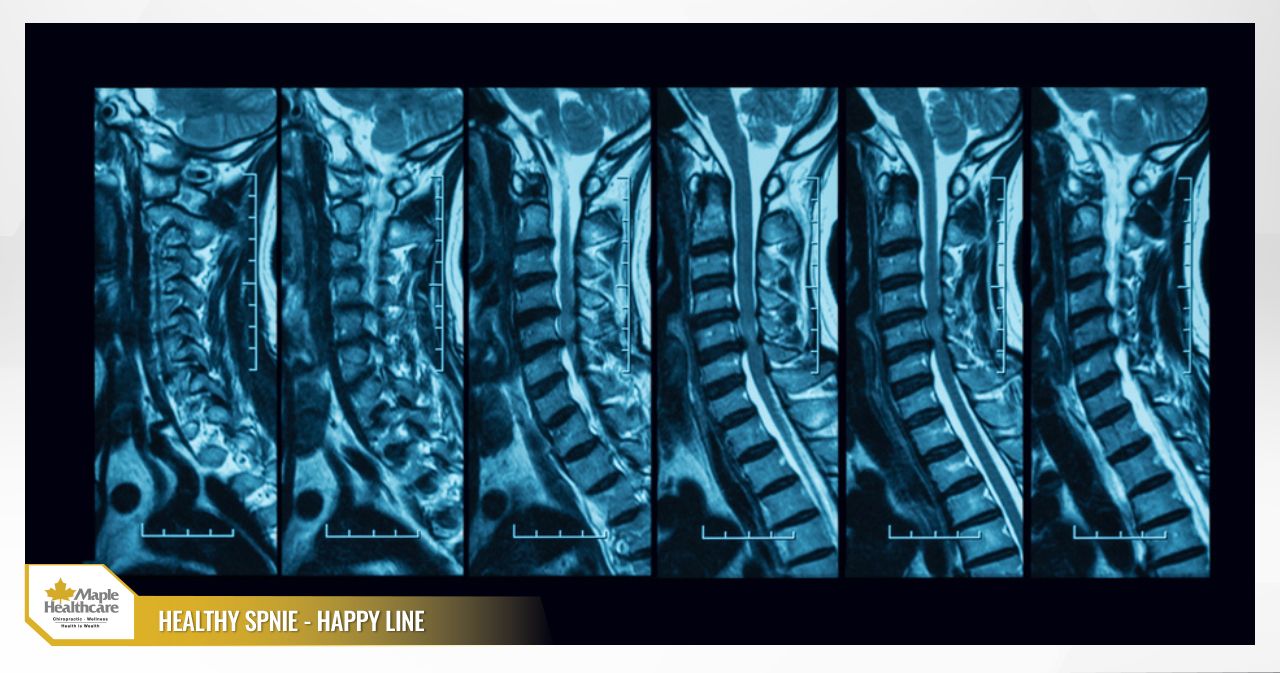
- Magnetic Resonance Imaging (MRI): This is the best method to view soft tissues like discs, the spinal cord, and nerve roots in detail. An MRI is often recommended when a patient has neurological symptoms or when conservative care has not provided relief.
- CT scan: Provides more detailed images of bone structures, which is very useful for evaluating bone spurs and the degree of spinal stenosis.
- Electromyography (EMG): Helps measure the electrical activity of muscles and the speed of nerve conduction, used to differentiate cervical radiculopathy from other peripheral nerve conditions.
Treatment Options for Cervical Spondylosis
The goal of treatment is to reduce pain, improve daily function, and limit the risk of further progression. Treatment plans generally begin with conservative approaches.
Conservative Care (Non-Surgical)
This is the foundation for managing cervical spondylosis and often yields very positive results.
- Physiotherapy and Rehabilitation:
- Specialists will guide you through stretching and strengthening exercises for your neck and shoulder muscles, helping to reduce pressure and stabilize the spine.
- Therapies such as therapeutic ultrasound, electrical stimulation, or hot/cold therapy may be used to manage local pain and inflammation.
- Chiropractic Care:
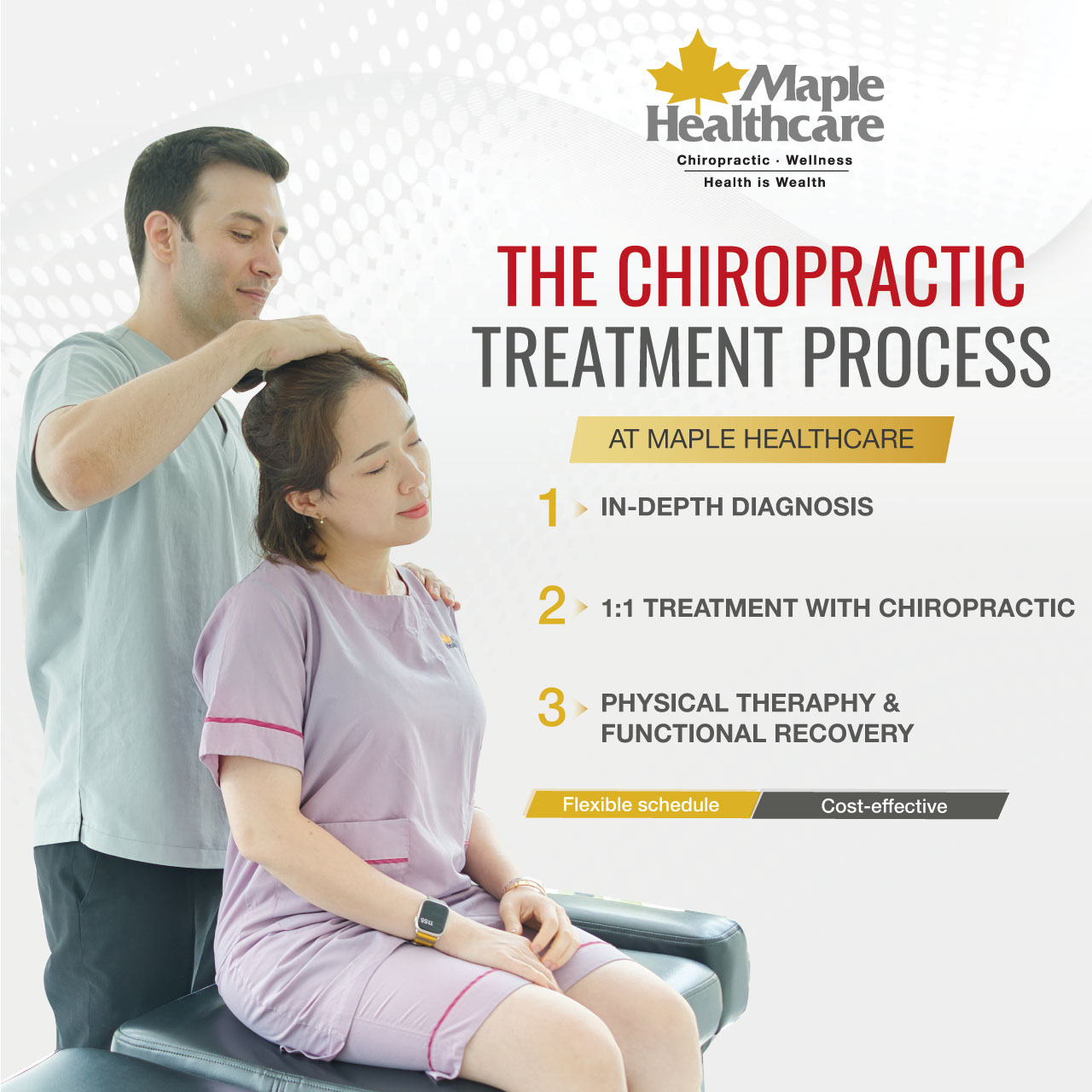
- Chiropractors use gentle, hands-on adjustments to address misalignments in the cervical vertebrae. This can help relieve pressure on nerves, reduce pain, and restore mobility. It is a safe and effective non-surgical, drug-free option.

- Chiropractors use gentle, hands-on adjustments to address misalignments in the cervical vertebrae. This can help relieve pressure on nerves, reduce pain, and restore mobility. It is a safe and effective non-surgical, drug-free option.
- Lifestyle and Posture Modifications:
- Adjusting your workspace to meet proper ergonomic standards.
- Learning proper posture for sitting, standing, and sleeping to minimize the load on your cervical spine.
- Medication (as prescribed by a doctor):
- Over-the-counter pain relievers (like Paracetamol) or nonsteroidal anti-inflammatory drugs (NSAIDs) may be used short-term to manage acute pain flare-ups.
- Muscle relaxants might be prescribed if there are significant muscle spasms.
Interventions and Surgery
These options are generally considered only when conservative treatments have not been effective or if there are severe neurological complications.
- Epidural Steroid Injections: Injecting a strong anti-inflammatory medication near the affected nerve roots to help reduce inflammation and provide temporary pain relief.
- Surgery: Recommended when there is clear evidence of progressive spinal cord compression or severe nerve root compression that does not respond to other treatments. Surgical techniques may include decompression, spinal fusion (ACDF), or artificial disc replacement.
Exercises and Posture for Cervical Spondylosis
Maintaining a daily exercise routine is a key part of the treatment plan to control symptoms and prevent flare-ups.
The Golden Rule: Move slowly, do not push into sharp pain, and listen to your body.
Chin Tuck Exercise
How to do it: Sit or stand straight, looking straight ahead. Gently draw your chin and head straight back (making a “double chin”) until you feel a mild stretch at the base of your neck.
Hold: 5 seconds.
Repeat: 10-15 times.
Benefit: Strengthens the deep neck flexor muscles, helping to maintain proper posture.
Upper Trapezius Stretch
How to do it: Sit up straight in a chair. Place your right hand on the top of your head and gently tilt your head to the right. Keep your left shoulder relaxed and pulled down. You should feel a stretch along the left side of your neck and shoulder.
Hold: 20-30 seconds.
Repeat: 3 times per side.
Isometric Neck Strengthening
How to do it: Place your palm against your forehead. Gently push your head forward while your hand provides equal resistance to keep your head from moving.
Hold: 5-10 seconds.
Repeat: 5-10 times for each direction (front, back, and both sides).
Benefit: Strengthens neck muscles without moving the joints, making it very safe during painful periods.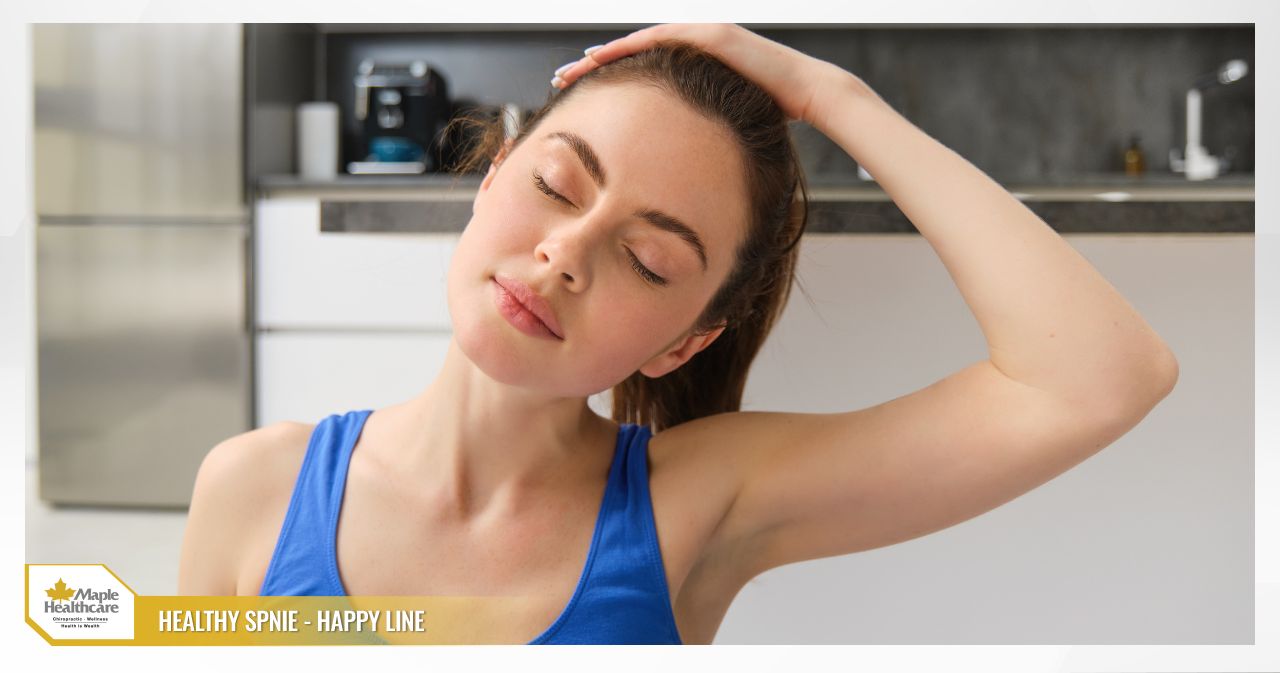
Proper Posture for Work and Daily Life
- Computer screen: The top of the monitor should be at eye level.
- Chair: Choose a chair with a supportive backrest and lumbar support.
- Using a smartphone: Hold the phone up closer to eye level rather than dropping your head to look down.
- Sleeping position: Sleep on your back or side using a pillow of moderate height that supports the natural curve of your neck. Avoid sleeping on your stomach.
When Should You See a Doctor?
You should seek care from a musculoskeletal specialist if:
- Your neck pain does not improve after a few weeks of self-care at home.
- The pain is severe or radiates down your arm, causing numbness or muscle weakness.
- You experience any of the red flag symptoms mentioned earlier (loss of balance, bowel/bladder issues, etc.).
Do not let neck pain reduce your quality of life. Early diagnosis and appropriate intervention are crucial. At Maple Healthcare in Ho Chi Minh City, our experienced team of clinicians can help accurately identify the cause and build a personalized treatment plan. By integrating chiropractic care, physiotherapy, and rehabilitation exercises, we aim to help you reduce pain, improve function, and support long-term spine health safely.
FAQ: Frequently Asked Questions About Cervical Spondylosis
Can cervical spondylosis be completely cured?
Answer: Degeneration is a natural part of the aging process, so it cannot be “completely cured.” However, the goal of treatment is to effectively control symptoms, improve function, and reduce the risk of complications, allowing you to maintain normal mobility.
Should I use heat or ice for neck pain?
Answer: During the first 48 hours of an acute pain flare-up, you should apply ice to help reduce inflammation and swelling. After that, applying heat can help relax tight muscles and manage chronic stiffness.
Is wearing a neck collar helpful?
Answer: A neck collar (cervical collar) can be useful for a short period (a few days to 1-2 weeks) to reduce pain during an acute phase. However, it should not be overused, as wearing it for too long can weaken your neck muscles.
Can I still do gym workouts or yoga if I have cervical spondylosis?
Answer: Yes, but you need to choose appropriate exercises and avoid movements that place heavy stress on the neck, such as heavy barbell squats, headstands, or extreme backward neck bending. It is best to consult with your doctor or physiotherapist for guidance.
Are neck pain combined with dizziness or ringing in the ears (tinnitus) caused by spondylosis?
Answer: It is possible. Cervical spondylosis can sometimes contribute to irritation or compression of arteries and nerves, leading to these symptoms. However, you need a proper medical evaluation to rule out other potential causes.
Related articles:
Contact for consultation
MAPLE INTERNATIONAL CO., LTD
Phone: 0705 100 100
Tax code: 0311948301
Date Range: 21 - 08 - 2012
Issued: Department of Planning and Investment of Ho Chi Minh City
Medical Practice License: No. 08834/HCM-GPHĐ
Healthcare Group Members



Contact Us
COPYRIGHT