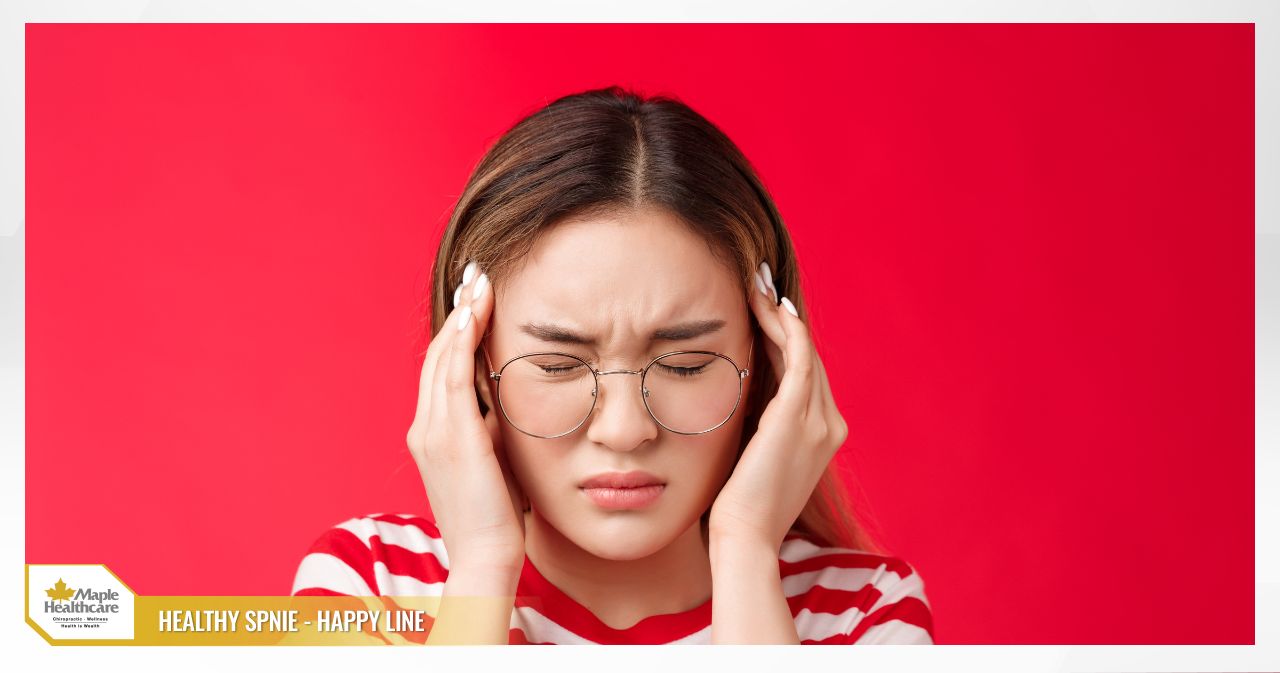
A dull, aching or intense pain located at the very top of the head is an unpleasant yet very common experience. Pain at the crown of the head is not a disease itself, but rather a symptom that can arise from many different causes, ranging from everyday work-related stress to underlying health conditions that require medical attention.
Understanding the cause and correctly identifying the type of headache you are experiencing is the first and most important step. This not only helps you choose the most appropriate pain-relief strategy but also helps prevent unnecessary overuse of pain medications, which may lead to unwanted side effects.
In this article, we will explore the most common types of headaches associated with crown pain, typical causes, important warning signs that require prompt medical evaluation, and effective treatment and prevention strategies so you can take an active role in protecting your health.
Common types of headaches that cause pain at the crown of the head
Pain at the Crown of the Head can be a manifestation of several different headache types. Each type has its own mechanism, characteristics, and triggers. Correctly identifying the headache type based on pain quality and accompanying symptoms helps guide more effective treatment.
Tension-type headache
This is the most common and familiar cause of pain at the top of the head.
- Characteristics: The pain is often described as a tight band squeezing around the head, with a heavy or pressure-like sensation. Intensity is usually mild to moderate and commonly affects both sides of the head, spreading to the crown, forehead, or back of the neck. Importantly, this type of headache typically does not worsen with light physical activity.
- Causes and triggers: As the name suggests, emotional stress and mental tension are leading causes. Other contributing factors include sleep disturbances, poor sleep quality, improper working or sleeping posture causing neck muscle strain, and overuse of caffeine or pain medications.
Migraine
Although migraines are often described as affecting one side of the head, the pain can begin at or spread to the crown.
- Characteristics: Migraine pain is typically severe, throbbing, or pulsating, lasting from several hours to several days. Physical activity often makes the pain worse. Common accompanying symptoms include nausea, vomiting, and extreme sensitivity to light (photophobia) and sound (phonophobia).
- Causes and triggers: Stress, hormonal changes (especially in women), sleep disruption, weather changes, or skipping meals can all trigger migraine attacks.
Cluster headache
Cluster headache is rare but extremely severe.
- Characteristics: Often described as one of the most intense types of pain, it usually affects one side of the head, around the eye, and may radiate to the crown. Symptoms often include tearing of the eye, nasal congestion, or drooping of the eyelid on the affected side. Attacks occur in clusters, lasting weeks to months, followed by pain-free periods.
- Causes and triggers: Alcohol consumption, very hot weather, and stress are common triggers.


Sinus-related headache
When the sinuses become inflamed and blocked, increased pressure can cause pain that may extend to the crown of the head.
- Characteristics: Pain is usually dull and pressure-like in the face and forehead and may spread upward to the crown. Symptoms worsen when bending forward and may be accompanied by nasal congestion, nasal discharge, mild fever, and facial fullness.
Other headache types
- Cold-stimulus headache (brain freeze): A sudden, sharp pain at the top of the head that occurs after consuming ice cream or cold drinks too quickly. It is caused by rapid constriction and dilation of blood vessels and usually resolves within minutes.
- Exertional headache: Occurs during or after intense physical exercise. While usually temporary, sudden and severe onset warrants medical evaluation to rule out serious causes.
Common causes of crown-of-the-head pain
The causes of pain at the crown of the head are diverse and can be grouped into the following categories.
Lifestyle and environmental factors
These are the most common causes and are closely related to daily habits.
- Stress and mental tension: Work pressure, academic stress, or family concerns are leading contributors to tension-type headaches.
- Poor posture: Prolonged forward head posture when using computers or mobile phones strains neck and shoulder muscles, causing pain that radiates to the crown.
- Sleep disturbances: Insufficient sleep, irregular sleep schedules, or poor sleep quality can trigger headaches.
- Dietary factors: Skipping meals, dehydration, and excessive intake of caffeine or alcohol are common triggers.
- Environmental factors: Bright lights, loud noise, strong odors, or sudden weather changes may provoke headaches in sensitive individuals.
Underlying medical conditions
In some cases, crown pain may signal an underlying medical condition that requires diagnosis and treatment.
- Neurological conditions: Head trauma, brain tumors, increased intracranial pressure, or cerebrovascular disorders.
- Systemic illnesses: Acute infections, high fever, heat exhaustion, or heatstroke.
- Internal medicine conditions: Hypertension, anemia, cardiovascular or gastrointestinal disorders.
- Other specialty conditions: Eye problems (refractive errors, glaucoma), ENT disorders (sinusitis), or cervical spine musculoskeletal disorders.

Medication-overuse headache
Paradoxically, frequent use of pain relievers (more than 2–3 times per week) can lead to chronic, persistent headaches. The body becomes less responsive to medication, and pain returns as soon as the effect wears off, creating a vicious cycle.
When should you see a doctor for crown-of-the-head pain?
Most cases of crown pain are benign and manageable at home. However, you should seek medical attention immediately if you experience any of the following red-flag symptoms.
- Sudden, severe onset described as the worst headache of your life.
- Progressively worsening pain in intensity or frequency.
- Headache with neurological symptoms: high fever, stiff neck, blurred or double vision, weakness or numbness, confusion, speech difficulty, seizures, or loss of consciousness.
- Headache following head injury.
- No improvement despite rest and common pain relievers.
Keeping a headache diary—including onset time, intensity, triggers, and relief methods—can help both you and your doctor better understand your condition.
Effective treatment options for crown-of-the-head pain
The cornerstone of treatment is identifying the underlying cause. At Maple Healthcare in Ho Chi Minh City, clinicians prioritize conservative, non-drug, non-surgical approaches that aim to address contributing mechanical and lifestyle factors.
Non-drug treatments – safe and sustainable options
These approaches are particularly suitable for tension-related, postural, and mechanically driven headaches.
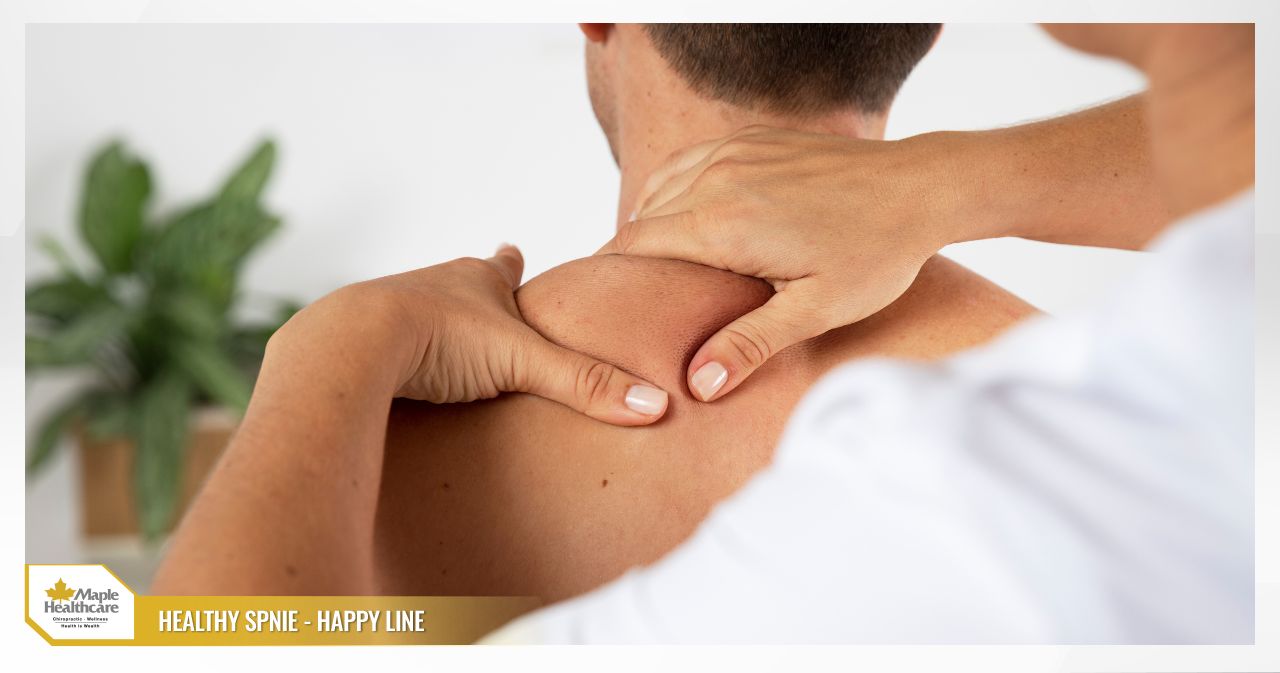
- Chiropractic care: Gentle cervical adjustments help improve joint alignment, reduce nerve irritation, relax tense muscles, and support healthy blood flow to the brain.
- Physiotherapy and rehabilitation: Targeted exercises to stretch and strengthen neck and shoulder muscles improve posture and reduce recurrence.
- Ergonomic correction: Adjust chair and screen height to maintain a neutral neck position and take regular movement breaks every 30–45 minutes.
- Relaxation techniques: Meditation, yoga, and deep breathing help manage stress, a major headache trigger.
- Heat or cold therapy: Warm compresses relax tight neck muscles, while cold compresses to the forehead or crown may ease sharp pain.
Medication (when necessary)
Medication should be considered a short-term measure and used under medical guidance to avoid overuse.
- Over-the-counter pain relievers: Acetaminophen or NSAIDs such as ibuprofen may help mild to moderate pain but should not be used more than three days per week.
- Prescription medications:
- Triptans: For acute migraine attacks.
- Muscle relaxants: For headaches associated with muscle spasms.
- Antidepressants: Sometimes prescribed for chronic prevention or neuropathic pain.
Preventive strategies for recurring crown pain
“Prevention is better than cure.” Adopting a healthy lifestyle is key to reducing both the frequency and intensity of pain at the crown of the head.
- Prioritize sleep: Stick to a consistent sleep-wake schedule and aim for 7–8 hours of quality sleep nightly.
- Manage stress: Dedicate time daily to relaxing activities like reading, music, or walking.
- Exercise regularly: Aim for at least 30 minutes of moderate activity, five days a week, to boost natural endorphins.
- Stay hydrated: Dehydration is a common headache trigger; aim for adequate daily water intake.
- Maintain good posture: Be mindful of keeping your back straight and head neutral while sitting and standing.
- Eat a balanced diet: Avoid skipping meals and limit intake of triggers like caffeine, alcohol, and processed foods.
FAQ: Frequently asked questions about crown-of-the-head pain
Caffeine withdrawal headache: Should I cut down gradually or stop abruptly?
Answer: If you suspect caffeine withdrawal is the cause, it is best to reduce consumption gradually over several weeks. Abrupt cessation can trigger severe withdrawal headaches as your body adjusts.
Is pain at the crown of the head during heavy lifting dangerous?
Answer: Exertional headaches are often benign and resolve with rest. However, if the pain is sudden and severe (like a thunderclap), stop exercising immediately and seek medical attention to rule out serious conditions such as brain hemorrhage.
When should I apply heat versus cold?
Answer: As a general rule: Apply heat to the neck/shoulders for tension-type headaches to relax tight muscles. Apply cold to the forehead/crown for migraines to constrict blood vessels and reduce throbbing pain.
Conclusion
Pain at the crown of the head is a common symptom with various causes, most notably stress and poor posture. Most cases can be improved effectively through lifestyle changes, relaxation techniques, and conservative treatments such as chiropractic care.
However, never ignore warning signs. If your pain persists, recurs frequently, or is accompanied by unusual symptoms, proactively seek medical advice.
At Maple Healthcare, our team of specialists is ready to listen, examine, and develop a personalized treatment plan combining chiropractic, physiotherapy, and rehabilitation to help you resolve pain safely and effectively. Don’t let headaches hold you back from living your life.
Additional FAQ
Is pain at the crown of the head a sign of a dangerous disease?
Answer: Most cases are benign, usually resulting from stress or posture. However, sudden, severe pain or pain accompanied by fever, stiff neck, weakness, or seizures requires immediate medical attention.
How does poor sitting posture affect headaches at the crown?
Answer: Prolonged poor posture (like looking down at a screen) creates excessive tension in the neck and shoulder muscles. This tension often refers pain upward, causing tension-type headaches at the crown of the head.
When should I use medication versus see a chiropractor?
Answer: Over-the-counter medication can provide temporary relief for acute pain. However, if pain recurs frequently and is related to posture or muscle tension, chiropractic care addresses the root cause by correcting spinal alignment and relieving muscle stress.
How can I prevent tension-type headaches?
Answer: Focus on stress management (meditation, yoga), getting 7–8 hours of sleep, staying hydrated, exercising, and maintaining proper posture with regular movement breaks every 30–45 minutes.
Related Articles:
Contact for consultation
MAPLE INTERNATIONAL CO., LTD
Phone: 0705 100 100
Tax code: 0311948301
Date Range: 21 - 08 - 2012
Issued: Department of Planning and Investment of Ho Chi Minh City
Medical Practice License: No. 08834/HCM-GPHĐ
Healthcare Group Members



Contact Us
COPYRIGHT