
Pain and a feeling of tightness in your knee can make everyday activities such as walking, climbing stairs, standing up, or sitting down difficult. One of the most common causes of these symptoms is Knee arthritis. Although this condition is frequent, not everyone clearly understands what it involves, how to recognize it early, or how it should be properly managed.
Knee arthritis is defined as inflammation and swelling of the knee joint caused by excessive accumulation of synovial fluid inside or around the joint capsule. Under normal conditions, synovial fluid acts as a lubricant, allowing the cartilage surfaces to glide smoothly. However, when this fluid increases abnormally due to injury or underlying disease, it creates pressure within the joint. This can lead to swelling, pain, and restricted movement. Early recognition of symptoms and identifying the underlying cause are essential to help prevent cartilage damage, joint degeneration, and irreversible structural changes in the bone.
This article provides a detailed guide to help you better understand knee arthritis, including its symptoms, causes, diagnostic process, treatment options, and effective prevention strategies.
Symptoms of Knee Arthritis
Recognizing the symptoms of knee arthritis early allows you to take timely action and reduce the risk of progression. Symptoms may appear suddenly after an injury or develop gradually over time.Common Signs and Symptoms
Typical symptoms of knee arthritis include:- Swelling and tightness: This is the most noticeable sign. One knee may appear larger than the other, accompanied by a feeling of pressure or stiffness, especially when bending or straightening the joint.
- Pain: Pain can range from dull and aching to severe. It often worsens with prolonged standing, walking, or vigorous activity and tends to improve with rest.
- Joint stiffness: Difficulty fully bending or straightening the knee, particularly in the morning or after a long period of inactivity.
- Warmth and redness: The skin around the inflamed knee may feel warmer to the touch and appear red compared to surrounding areas.
- Spongy sensation: When pressing on the swollen knee, it may feel soft and compressible. This sign is especially common in people with rheumatoid arthritis.
- Bruising: If swelling is caused by bleeding inside the joint (hemarthrosis) after an injury, bruising may appear around the knee.


How to Differentiate Knee Arthritis from Other Knee Conditions
Knee pain and swelling can result from many different conditions. Distinguishing knee arthritis from other knee problems is important in order to choose the appropriate treatment. A systematic clinical examination and careful review of your medical history help doctors determine the exact cause.- Acute injury (ACL tear, meniscus tear): Usually occurs suddenly after a strong impact or rapid change in direction during sports. Symptoms may include a “pop” sound, severe pain, knee instability, inability to bear weight, and rapid swelling and bruising.
- Bursitis: Swelling is typically localized to a specific area, such as the front of the kneecap or the inner side of the knee. The area may be red, warm, and very tender. If caused by infection, fever and chills may occur.
- Gout: Causes sudden, intense pain, often at night. The knee becomes extremely sensitive, swollen, hot, and red due to uric acid crystal deposition.
- Knee osteoarthritis: Usually develops gradually in older adults. Swelling is mild to moderate, pain increases with movement and decreases with rest, and a crackling sound (crepitus) may be heard during motion.
Causes of Knee Arthritis
Understanding the causes of knee arthritis is the first step in building an effective treatment and prevention plan. Causes can generally be divided into direct causes and risk factors.Common Causes
- Knee joint injuries: A leading cause, especially in younger individuals and athletes. Common injuries include ligament tears (particularly the anterior cruciate ligament – ACL), meniscus tears, and fractures at the ends of the bones forming the knee joint.
- Overuse and repetitive microtrauma: Activities that place repeated stress on the knee, such as long-distance running, frequent stair climbing, or occupations requiring prolonged kneeling or squatting, can irritate the joint and trigger inflammation.
- Underlying joint conditions: Knee osteoarthritis, rheumatoid arthritis, and gout can all lead to knee arthritis symptoms.
- Septic arthritis (joint infection): Bacteria can enter the knee joint through an open wound or via the bloodstream, causing a serious infection with swelling, warmth, redness, severe pain, and fever. This is a medical emergency and requires urgent treatment.
- Less common causes: A Baker’s cyst (a fluid-filled sac behind the knee) or certain viral infections, such as hepatitis B, may also lead to joint inflammation.
Risk Factors for Knee Arthritis
Several factors may increase your risk of developing knee arthritis:- Overweight and obesity: Excess body weight increases mechanical load on the knee, accelerating cartilage wear and raising the risk of inflammation.
- Age: The risk of degenerative conditions such as osteoarthritis increases with age.
- Genetic and immune factors: A family history of autoimmune diseases like rheumatoid arthritis may increase your susceptibility.
- Sedentary lifestyle: Weak muscles, particularly the quadriceps, are less able to support and protect the knee joint effectively.
- Previous knee injury: Even if treated, a past knee injury can increase the likelihood of future arthritis.

Diagnosis and Treatment Options for Knee Arthritis
Accurate diagnosis is essential for effective management of knee arthritis. This requires a combination of clinical evaluation and appropriate diagnostic tests.Diagnosis – How Doctors Identify the Cause
Doctors typically follow a comprehensive process:- Medical history: You will be asked about when symptoms began, any history of injury, recent activities, associated symptoms (such as fever or morning stiffness), and underlying medical conditions.
- Physical examination: The doctor assesses swelling, warmth, redness, range of motion, and performs specific tests to evaluate ligaments and meniscus integrity.
- Blood tests: These may help detect signs of systemic inflammation or markers of autoimmune disease.
- Joint aspiration (arthrocentesis): A small amount of fluid is withdrawn from the knee joint and analyzed for bacteria, urate crystals, or blood.
- Imaging studies: X-rays can reveal fractures or bone spurs. MRI provides detailed images of soft tissues such as ligaments and cartilage.
Treatment – Based on Cause and Severity
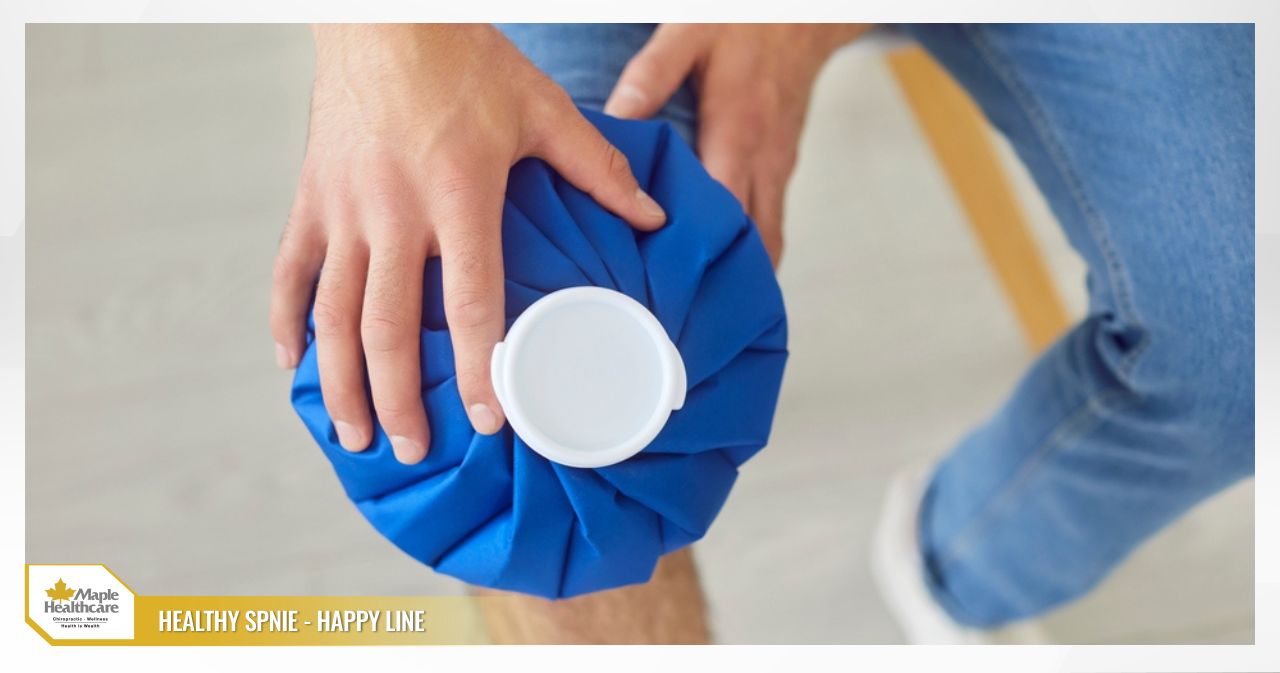
Treatment for knee arthritis is individualized depending on the underlying cause and severity. At Maple Healthcare in Ho Chi Minh City, we prioritize conservative, non-drug, and non-surgical approaches whenever appropriate.- Initial home care (R.I.C.E method): Rest, Ice, Compression, and Elevation to reduce swelling and discomfort.
- Medications (as prescribed): Non-steroidal anti-inflammatory drugs (NSAIDs), antibiotics for infection, or specific medications for gout or rheumatoid arthritis. Corticosteroid injections may be considered in selected cases.
- Physiotherapy and rehabilitation: A key component of recovery. Targeted exercises help reduce pain and inflammation, restore range of motion, and strengthen muscles to better stabilize the knee.
- Chiropractic care: Chiropractic adjustments focus on correcting misalignments in the spine, hips, and feet, helping to balance the musculoskeletal system and reduce unnecessary stress on the knee joint.
- Interventional procedures or surgery: Considered only when conservative treatment is not effective. Options may include joint aspiration, arthroscopy, or knee replacement surgery.
Prevention Strategies for Knee Arthritis
Prevention plays an important role in protecting your knee joint and reducing the likelihood of inflammation.- Maintain a healthy weight: Even modest weight reduction can significantly decrease the load placed on your knees.
- Strengthen surrounding muscles: Exercises targeting the quadriceps and hamstrings help these muscles function as natural shock absorbers for the knee.
- Choose low-impact sports: Activities such as swimming or cycling are gentler on the joints.
- Warm up properly: Spend 5–10 minutes preparing your muscles and joints before physical activity.
- Prevent injuries: Use appropriate protective equipment and apply proper techniques during sports and exercise.
- Adopt a balanced diet: An anti-inflammatory diet rich in omega-3 fatty acids, vitamins, and minerals may support overall joint health.

Living with Knee Arthritis
For individuals with chronic conditions such as osteoarthritis or rheumatoid arthritis, learning how to manage symptoms effectively is essential for maintaining quality of life.Daily Symptom Management
- Listen to your body: Balance activity with rest. If your knee begins to hurt, pause and allow it to recover.
- Use assistive devices: A cane or crutch can reduce load on a painful knee when needed.
- Heat and cold therapy: Cold compresses help reduce swelling during acute inflammation, while warm compresses can ease stiffness and relax surrounding muscles.
Maintaining Safe Movement
- Follow your physiotherapy program: Consistent practice of prescribed exercises supports long-term joint stability.
- Avoid harmful positions: Limit prolonged squatting, kneeling, or sitting with knees deeply bent.Coping with Physical and Emotional Challenges
- Keep a symptom journal: Track pain and swelling levels to help you and your doctor evaluate treatment progress.
- Adhere to treatment: Take medications exactly as prescribed to control pain and inflammation.
- Seek support: Sharing your experience with family, friends, or support groups can help reduce stress and improve emotional well-being.
Conclusion
Knee arthritis is a common condition that may result from acute injury, joint overuse, or underlying diseases such as osteoarthritis and rheumatoid arthritis. Core symptoms include swelling, pain, stiffness, and warmth or redness, and these require accurate diagnosis to guide appropriate management. In many cases, knee arthritis can be effectively managed with conservative strategies such as rest, icing, physiotherapy, rehabilitation, and chiropractic care. Early intervention helps reduce symptoms and may lower the risk of long-term joint damage. If you are experiencing persistent knee pain or swelling, consider visiting Maple Healthcare for a comprehensive assessment and a personalized treatment plan to support your return to comfortable, active living.FAQ: Frequently Asked Questions About Knee Arthritis
Is knee arthritis dangerous if left untreated?
Answer: Yes. Without appropriate management, knee arthritis can lead to irreversible cartilage damage, worsening joint degeneration, joint deformity, and significant limitations in mobility, all of which may substantially affect quality of life.When should I see a doctor for knee pain?
Answer: Seek medical care immediately if your knee is severely swollen, hot, red, extremely painful, or unable to bear weight, or if you develop systemic symptoms such as fever. You should also consult a doctor if swelling and pain persist and do not improve after several days of home care.Should people with knee arthritis exercise?
Answer: Yes. Appropriate movement is important for joint health. However, choose low-impact activities such as swimming or cycling. Targeted physiotherapy exercises that strengthen the muscles around the knee are especially beneficial. Always consult a healthcare professional to design a safe exercise program.Can chiropractic care help with knee arthritis?
Answer: Chiropractic care may help by addressing misalignments in the spine, hips, and feet. This can improve overall biomechanical balance and reduce unnecessary stress on the knee joint, supporting recovery and helping to lower the risk of recurrence as part of a broader treatment plan.Related articles:
Knee Pain: Causes, Symptoms, and Chiropractic Solutions Treating Flat Feet in Adults: Pain Relief and Functional RecoveryContact for consultation
MAPLE INTERNATIONAL CO., LTD
Phone: 0705 100 100
Tax code: 0311948301
Date Range: 21 - 08 - 2012
Issued: Department of Planning and Investment of Ho Chi Minh City
Medical Practice License: No. 08834/HCM-GPHĐ
Healthcare Group Members



Contact Us
COPYRIGHT