
Finger Arthritis: Symptoms, Diagnosis, Treatment & Prevention
Finger arthritis is one of the leading causes of pain, stiffness, and reduced hand function, significantly affecting quality of life. This condition can make simple everyday tasks — such as buttoning a shirt, holding a pen, or opening a bottle cap — genuinely difficult and painful. Many people are concerned about finger joint pain, morning stiffness in the fingers, and wonder whether their condition will continue to worsen over time.
This article serves as a comprehensive guide to help you understand everything about finger arthritis from A to Z: its definition, common types, early warning signs, diagnostic methods, conservative treatment options, rehabilitation exercises, and effective prevention strategies. Understanding your condition is the first step toward managing your symptoms, reducing pain, preventing joint deformity, and maintaining an active lifestyle.
What Is Finger Arthritis? Common Types
Finger arthritis refers to damage to the joint cartilage and surrounding structures within the small joints of the fingers, leading to an inflammatory response that causes pain, swelling, stiffness, and reduced range of motion. This condition can affect any joint in the fingers, including:
- Distal interphalangeal joint (DIP): The joint closest to the fingernail.
- Proximal interphalangeal joint (PIP): The middle joint of the finger.
- Metacarpophalangeal joint (MCP): The joint connecting the hand bones to the finger bones.
- Carpometacarpal joint of the thumb (CMC): The joint at the base of the thumb where it meets the wrist, which is critical for gripping and pinching.
Several distinct types of arthritis can affect the finger joints, each with its own causes and characteristics. Below are the five most common types:
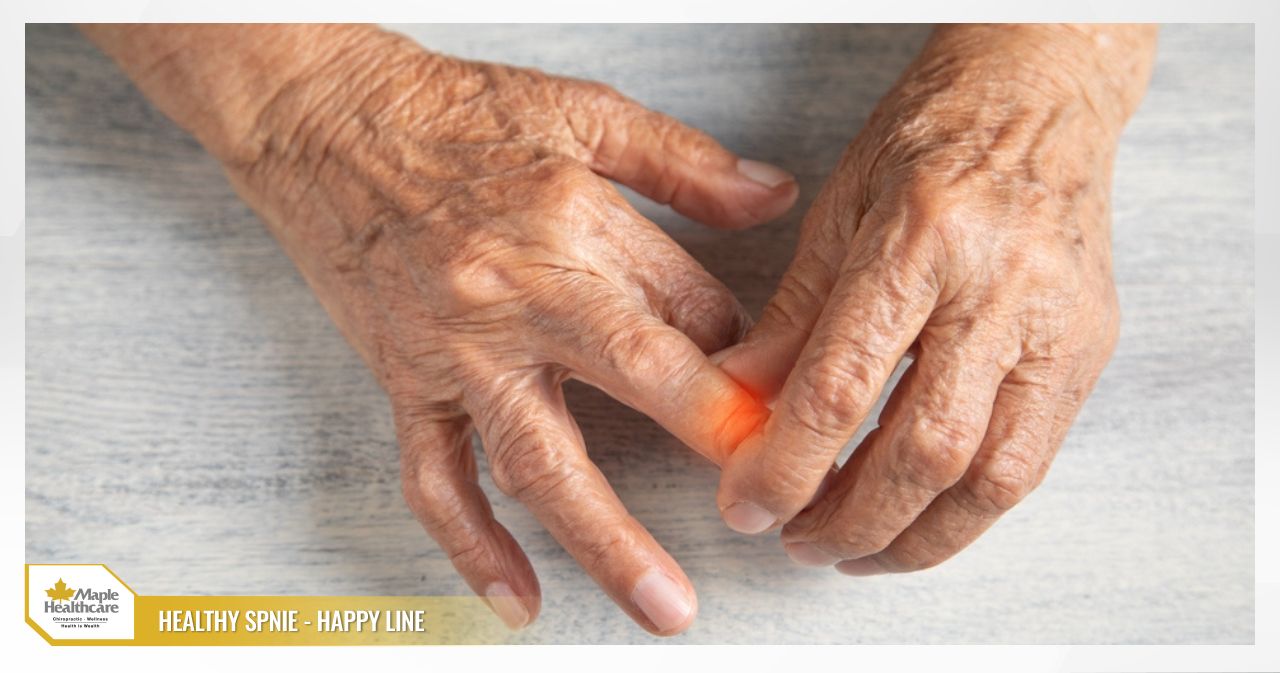
Finger Osteoarthritis (OA)
This is the most common form, typically associated with the natural aging process and the gradual wearing down of joint cartilage over time.
- Key features: Pain that increases with activity (gripping, pinching, twisting) and eases with rest. Morning stiffness is usually brief, typically lasting under 30 minutes.
- Typical signs: The appearance of small bony growths called Heberden’s nodes at the DIP joints and Bouchard’s nodes at the PIP joints, causing the joints to appear enlarged and potentially slightly misaligned. You may also notice a grating or crackling sensation when moving the affected joints.
- Joints commonly affected: DIP, PIP, and the thumb CMC joint.

Rheumatoid Arthritis in the Fingers (RA)
This is an autoimmune disease in which the body’s immune system mistakenly attacks the synovial lining of the joints.
- Key features: Prolonged morning stiffness, typically lasting more than 30 to 60 minutes. Joint pain and swelling are usually symmetrical, meaning they occur in the same joints on both hands. The condition may also be accompanied by systemic symptoms such as fatigue, low-grade fever, and unexplained weight loss.
- Typical signs: Soft, warm swelling around the inflamed joints. Without early treatment, the disease can cause bone erosion and permanent joint deformity (such as swan-neck deformity or boutonnière deformity).
- Joints commonly affected: MCP and PIP joints.
Psoriatic Arthritis in the Fingers (PsA)
This type occurs in people who have psoriasis, a chronic skin condition.
- Key features: Swelling of an entire finger, giving it a “sausage-like” appearance — a hallmark sign known as dactylitis. The pattern of joint involvement may be asymmetrical.
- Typical signs: Frequently accompanied by nail changes (pitting, thickening, discoloration, or nail separation from the nail bed) and psoriatic skin plaques.
- Joints commonly affected: Can affect any finger joint, including the DIP joints — a location less commonly involved in rheumatoid arthritis.
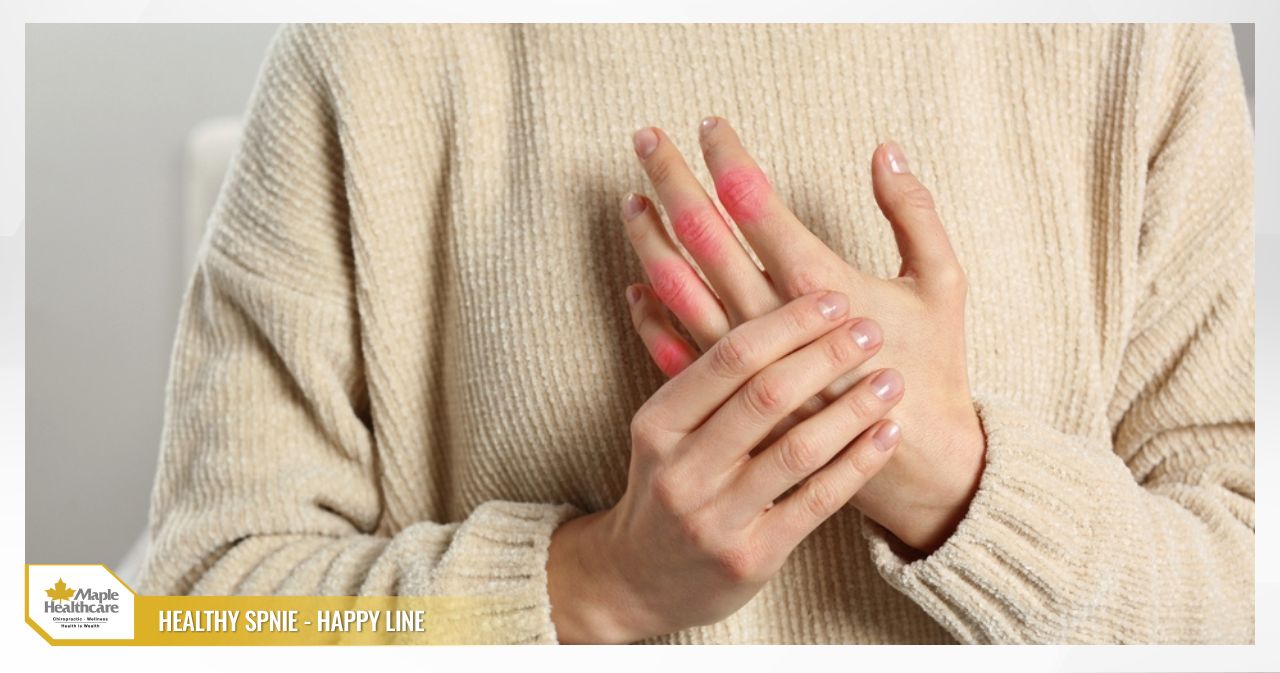
Gout in the Finger Joints
This condition is caused by the build-up of urate crystals — a byproduct of uric acid metabolism — within the joint.
- Key features: Sudden onset of severe pain, with the affected joint becoming markedly swollen, hot, and intensely red. The pain can be so extreme that even light touch is intolerable.
- Typical signs: In chronic gout, tophi — soft, whitish lumps — may develop under the skin around the joints.
- Joints commonly affected: Although gout most commonly affects the big toe, it can also attack the finger joints, particularly the MCP joints.
Septic Arthritis of the Finger
This is a medical emergency caused by bacteria entering the joint directly.
- Key features: A single joint becomes severely swollen, extremely painful, bright red, and warm to the touch. The person is typically unable to move the affected finger at all.
- Typical signs: Accompanied by fever and chills. There is often a history of an open wound, an animal bite, or a recent injection procedure near the joint.
- Important note: Prompt diagnosis and antibiotic treatment are essential to prevent permanent joint destruction.
Symptoms of Finger Arthritis – Early Warning Signs
Symptoms can vary depending on the underlying cause, but in general, you should be aware of the following signs:
- Finger joint pain: The pain may be a dull ache or a sharp sensation, and it typically worsens when you grip, write, or perform fine motor tasks.
- Swollen finger joints: The joint appears larger than usual and may feel tight or tense. Swelling, warmth, and redness tend to be more pronounced in inflammatory types of arthritis (RA, gout, septic arthritis) compared to osteoarthritis.
- Finger joint stiffness: Difficulty bending or straightening the fingers, which is especially noticeable in the morning after waking up or following a prolonged period of inactivity. The duration of morning stiffness is an important clue in distinguishing between different types of arthritis.
- Reduced range of motion: Difficulty making a full fist or fully extending the fingers. You may notice that your hand feels clumsier when handling objects.
- Grating or crackling sensation: A grinding or clicking sound when moving the joint, commonly experienced in osteoarthritis when the cartilage surface is no longer smooth.
- Weakened grip: A general feeling of weakness in the hand, making it easier to drop objects.
- Joint deformity: In advanced stages, joints may become enlarged with bone spurs (in osteoarthritis) or develop malalignment and structural deformity (in rheumatoid arthritis).
Causes and Risk Factors
The causes of arthritis in the finger joints are varied, ranging from the natural process of wear and tear to underlying systemic conditions.
Primary Causes
- Age-related degeneration: Joint cartilage gradually wears down over time, making this the leading cause of finger osteoarthritis.
- Autoimmune disease: The immune system attacks healthy joint tissue, as seen in rheumatoid arthritis and psoriatic arthritis.
- Metabolic disorders: Elevated levels of uric acid in the blood lead to gout in the finger joints.
- Previous injury: Past trauma to the fingers — such as fractures or sprains — can increase the risk of developing arthritis in those joints later in life.
- Infection: Bacteria entering a joint can cause septic arthritis.
Risk Factors That Increase Your Likelihood of Developing the Condition
- Age: Risk increases significantly after the age of 40 to 50.
- Sex: Women are at a higher risk of developing both osteoarthritis and rheumatoid arthritis compared to men.
- Family history: Having a close relative with arthritis increases your own risk.
- Obesity: Excess body weight places greater mechanical load on joints and promotes systemic inflammation.
- Occupation: Jobs that require repetitive hand movements — such as office work, tailoring, or assembly-line work — increase the risk of micro-trauma and cumulative joint wear.
- Underlying health conditions: Conditions such as diabetes, thyroid disease, psoriasis, and lupus are associated with a higher risk of developing arthritis.

When to Seek Medical Attention Promptly
In most cases, finger arthritis develops gradually. However, you should seek medical care immediately if you notice any of the following “red flag” signs:
- Sudden pain and swelling in a single joint, accompanied by high fever and chills. This may indicate septic arthritis of the finger — a medical emergency requiring urgent intervention to preserve the joint.
- Severely swollen, intensely red, warm, and acutely painful joint that cannot be touched, which may suggest an acute gout flare in the finger joints.
- An open wound, cut, or animal bite near a swollen, painful joint, which increases the risk of joint infection.
- New onset of widespread numbness or weakness in the hand, loss of sensation, or a significant drop in grip strength — to rule out acute nerve compression.
- Severe pain that does not improve with over-the-counter pain relief after more than 72 hours.
Diagnosing Finger Arthritis
To accurately identify the type of arthritis you have, your doctor will carry out a thorough assessment process.
- Medical history and physical examination: Your doctor will ask detailed questions about your symptoms (when the pain occurs, how long the morning stiffness lasts, which joints are affected), your personal and family medical history, and your daily habits and work. They will then physically examine your hands to assess swelling, warmth, redness, deformity, range of motion, and finger strength.
- Blood tests:
- CRP and ESR: Markers used to assess the level of inflammation in the body.
- RF and anti-CCP antibodies: Specific antibodies that help confirm a diagnosis of rheumatoid arthritis.
- Serum uric acid: Measured to help diagnose gout.
- Imaging studies:
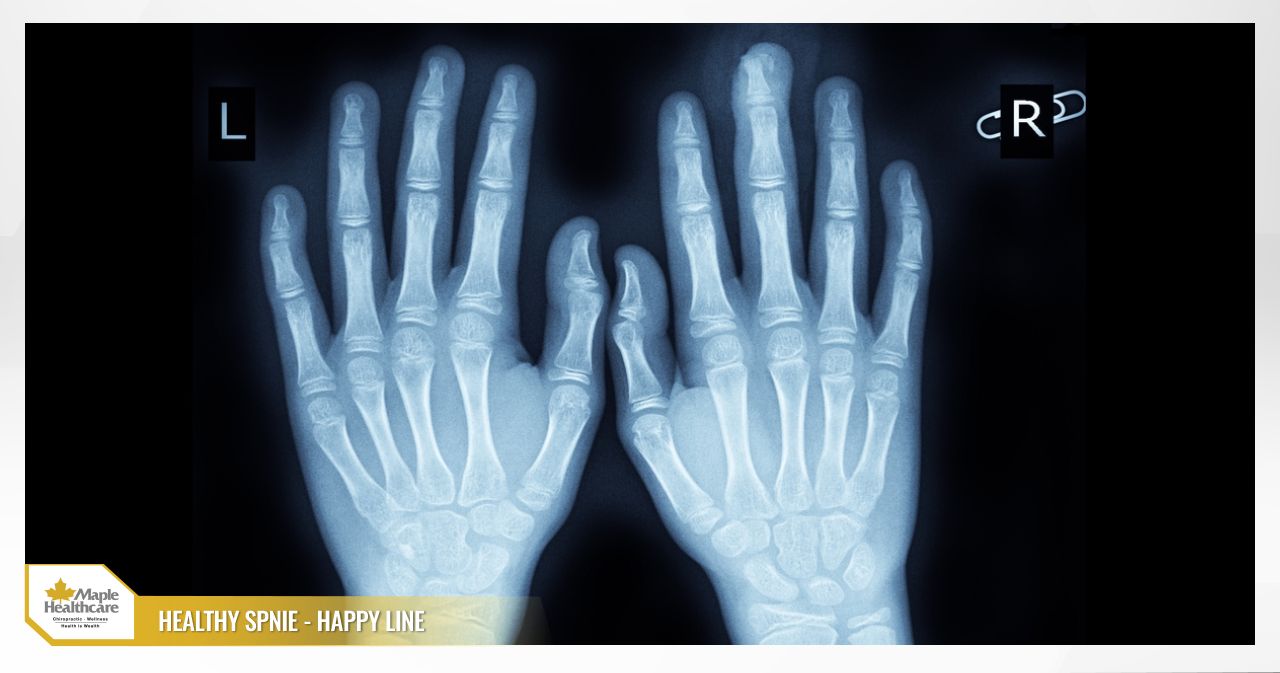
- X-ray of the finger joints: The standard imaging tool for evaluating bone and joint damage. X-rays can reveal narrowing of the joint space and bone spurs (in osteoarthritis), or bone erosion and joint malalignment (in rheumatoid arthritis).
- Ultrasound of the finger joints: Useful for detecting joint effusion, synovitis, and tendon or ligament damage. Ultrasound is particularly valuable for identifying inflammation at an early stage.
- MRI: Provides detailed images of cartilage, bone, and surrounding soft tissues. It is typically ordered when the diagnosis is complex or early-stage damage is suspected.
- Joint fluid aspiration: If septic arthritis or gout is suspected, your doctor may use a small needle to withdraw fluid from the swollen joint. The sample is then analyzed in a laboratory to look for crystals (urate in gout) or bacteria.
How to Treat Arthritis in Fingers (Based on Severity and Type)
The primary goals of treating arthritis in fingers are to manage pain, control inflammation, preserve hand function, and prevent permanent joint damage. The treatment plan will be tailored to the specific type of arthritis and its severity.
Home Care and Lifestyle Modifications
- Adequate rest: Avoid activities that overload the finger joints during acute flare-ups.
- Thermal therapy:
- Cold therapy: Apply an ice pack or cold gel pack to the swollen, warm joint for 10 to 15 minutes, several times a day, to help reduce acute inflammation and pain.
- Heat therapy: Soak your hands in warm water or use a warm pack in the morning to help ease stiffness and relax the surrounding muscles.
- Splinting: A finger splint or thumb CMC splint can help stabilize the joint, reduce pain, and protect it during activity or at night.
- Ergonomic adjustments: Using tools with larger, softer handles (for example, foam grip pens or jar openers) can help reduce stress on the small finger joints.
Medication
- Over-the-counter (OTC) medications: Paracetamol can help manage mild pain. Non-steroidal anti-inflammatory drugs (NSAIDs) such as ibuprofen and naproxen can effectively reduce both pain and inflammation, though they should be used with caution due to potential effects on the stomach and kidneys. Topical diclofenac gel is a practical option for small joints, as it provides local relief with fewer systemic side effects.
- Prescription medications:
- Intra-articular corticosteroid injections: A doctor may inject a small amount of corticosteroid directly into the inflamed joint to rapidly reduce pain and swelling. This is an effective short-term option but should not be overused.
- DMARDs (Disease-Modifying Anti-Rheumatic Drugs): Used for autoimmune forms of arthritis such as rheumatoid arthritis and psoriatic arthritis. Medications like methotrexate can help slow the progression of the disease and prevent joint damage.
- Gout medications: Colchicine and NSAIDs are used to manage acute attacks, while uric acid-lowering medications such as allopurinol are prescribed for long-term prevention.
Physiotherapy and Occupational Therapy
This is an essential component of any comprehensive treatment plan. A specialist in hand physiotherapy can:
- Guide you through targeted exercises to improve range of motion, strengthen the small muscles of the hand, and reduce pain.
- Apply modalities such as paraffin wax therapy and therapeutic ultrasound to relieve pain and joint stiffness.
- Advise on proper splinting techniques and joint protection strategies for daily activities.
At Maple Healthcare in Ho Chi Minh City, clinicians will conduct a thorough assessment of your condition to develop a personalized rehabilitation plan that combines therapeutic exercise, hands-on techniques, and ergonomic guidance — supporting you in regaining hand function safely and effectively.

Surgical Options
Surgery is only considered when conservative treatments have been unsuccessful and the person is experiencing severe pain, significant joint deformity, and a serious loss of hand function. Surgical options may include joint fusion (arthrodesis), joint replacement (arthroplasty), or synovectomy.
Best Exercises for Arthritis in Fingers (Safe and Effective)
Exercising correctly is key to maintaining flexibility and strength in your hands. Remember this important principle: do not exercise when your joints are actively swollen, warm, and inflamed, and stop immediately if you feel sharp pain. The following are some of the best exercises for arthritis in fingers that you can practice daily:
- Hand open and close:
How to do it: Spread your hand wide, extending all fingers as far as comfortably possible. Then slowly curl your fingers into a fist, with your thumb resting outside. Hold for 3 to 5 seconds, then open your hand again.
Repetitions: 10 times for each hand. - Individual finger bends:
How to do it: Start with your hand extended flat. Bend each finger down one at a time (index, middle, ring, little finger), hold for 3 to 5 seconds, then straighten it back out.
Repetitions: 2 to 3 rounds for each hand. - Tendon gliding exercise:
How to do it: Move through a sequence of 5 positions: (1) start with fingers fully extended, (2) hook the middle and end joints into a hook fist, (3) bend the fingers to form a right angle to the palm (tabletop position), (4) curl the fingertips down toward the palm (straight fist), (5) make a full fist.
Benefits: Encourages smooth gliding of tendons within their sheaths, helping to reduce stiffness. - Thumb-to-finger touches:
How to do it: Touch the tip of your thumb to the tip of each of your other fingers in turn, forming an “O” shape. Hold each touch for 3 to 5 seconds.
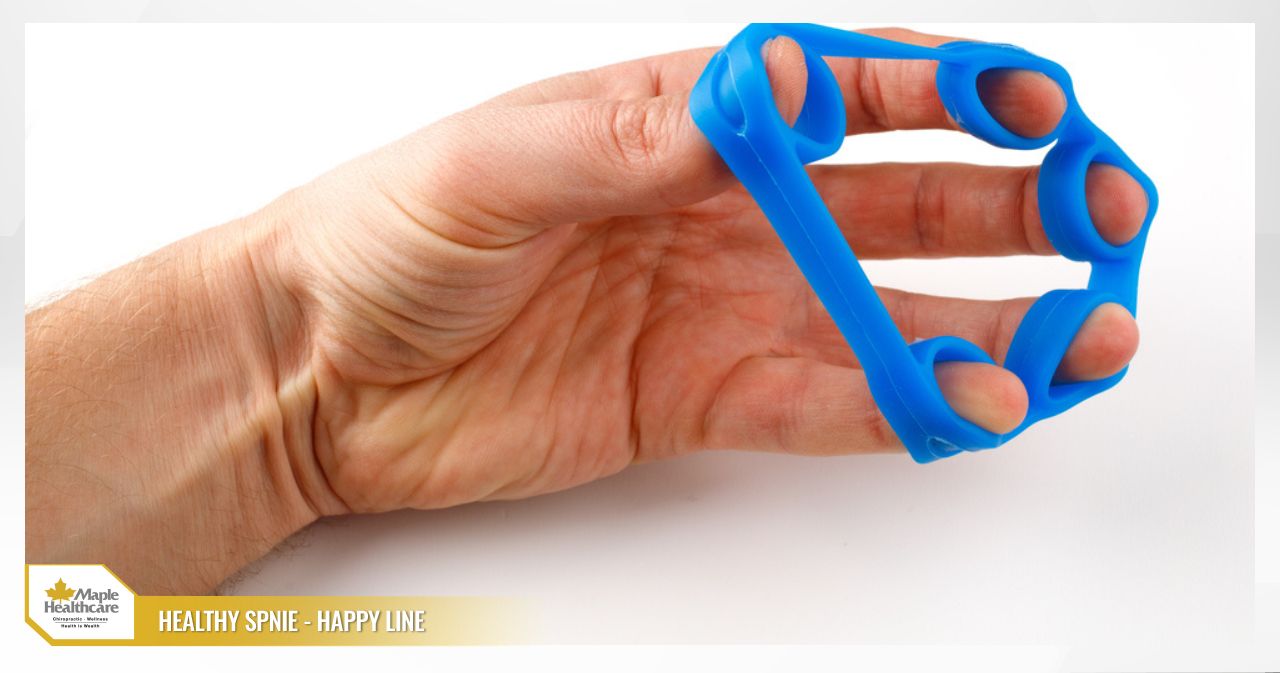
Benefits: Improves dexterity and the range of motion at the thumb joint. - Finger extension with a rubber band:
How to do it: Bring your fingertips together and loop a rubber band around them. Slowly spread your fingers apart against the resistance of the band. Hold for 3 to 5 seconds, then relax.
Benefits: Strengthens the finger extensor muscles.
Nutrition and Supportive Supplements
A balanced, nutritious diet can help manage inflammation and support joint health over the long term.
- Anti-inflammatory diet: Prioritize foods such as oily fish (rich in omega-3 fatty acids), leafy green vegetables, berries, nuts, olive oil, and whole grains.
- Foods to limit: Sugary foods, deep-fried items, red meat, processed foods, and alcohol — all of which may amplify the body’s inflammatory response.
- For gout: Pay particular attention to high-purine foods to avoid, including organ meats, red meat (beef, goat), shellfish (oysters, shrimp), sardines, anchovies, and especially beer and other alcoholic drinks, as these raise uric acid levels.
- Supplements: Vitamin D and calcium are important for bone health. Omega-3 fatty acids and curcumin (from turmeric) have shown supportive anti-inflammatory properties in research.
Prevention and Long-Term Management of Finger Arthritis
Managing finger arthritis is a long-term commitment that requires consistency and sustainable lifestyle changes.
- Joint protection: Learn to use larger, stronger joints in place of the small finger joints where possible. For example, use the palm of your hand or your whole forearm to push open a door rather than using your fingertips.
- Scheduled rest breaks: When performing repetitive hand tasks, take short breaks every 20 to 30 minutes to gently stretch and relax your fingers.
- Keep your hands warm: Cold weather can increase feelings of pain and stiffness. Wearing gloves in cool conditions can help.
- Maintain a healthy weight: Losing excess weight can reduce overall systemic inflammation and decrease the load placed on all joints in the body.
- Regular follow-up appointments: Stay in close contact with your doctor to adjust your treatment plan as needed and to monitor for any medication side effects.
Distinguishing Finger Arthritis from Similar Conditions
- Trigger Finger: Characterized by a catching or “snapping” sensation when bending or straightening the finger. Pain is typically located at the base of the finger on the palm side.
- De Quervain’s Tenosynovitis: Pain located along the thumb side of the wrist, which worsens when you make a fist with your thumb tucked inside and tilt your wrist away from the thumb.
- Carpal Tunnel Syndrome: Causes numbness, tingling, or pain in the thumb, index finger, middle finger, and part of the ring finger, often worse at night. Notably, it does not cause joint swelling.
Common Mistakes to Avoid When Managing Finger Arthritis
- Keeping the joints completely still: Avoiding all movement out of fear of pain leads to increased stiffness and muscle wasting. Gentle movement within a comfortable range is beneficial.
- Self-administering corticosteroids: Taking oral corticosteroids or receiving intra-articular injections without medical supervision can lead to serious side effects.
- Applying heat to an actively inflamed joint: Using heat when a joint is acutely swollen, red, and warm can worsen the inflammation.
- Relying on unproven treatments: Using herbal preparations or remedies from unverified sources may carry risks of harm to the liver and kidneys.
- Delaying medical care: Allowing the condition to progress untreated can result in irreversible joint damage.
Your Action Plan and Key Advice
Managing finger arthritis effectively requires active involvement on your part.
- Self-monitoring: Keep a record of your pain levels, the duration of morning stiffness, and any difficulties you encounter in daily activities. This information is valuable to share with your doctor.
- Build a daily exercise routine: Set aside 10 to 15 minutes each day to perform your hand exercises consistently.
- Apply joint protection principles: Consciously adjust your daily habits to reduce unnecessary stress on your finger joints.
- Communicate openly with your doctor: Don’t hesitate to ask about your treatment goals, the benefits and risks of your medications, and when it may be appropriate to begin a hand physiotherapy program.
If you are experiencing persistent finger joint pain, swelling, or stiffness that is affecting your work and daily life, don’t wait. Seek assessment at a specialist musculoskeletal clinic to receive an accurate diagnosis and a comprehensive, personalized management plan — helping you protect the valuable function of your hands.
FAQ: Frequently Asked Questions About Finger Arthritis
Can finger arthritis be completely cured?
Answer: Most forms of arthritis, such as osteoarthritis, are chronic conditions that cannot be fully “cured,” but they can be managed very well. The goals of treatment are to reduce pain, maintain function, and slow the progression of the condition. Conditions like rheumatoid arthritis and gout can achieve remission — meaning a period with no active symptoms — when properly treated and managed over time.
Should I use heat or cold therapy for finger arthritis pain relief?
Answer: The principle is straightforward: use cold therapy (10 to 15 minutes) when the joint is in an acute inflammatory phase — indicated by swelling, warmth, redness, and significant pain. Use heat therapy (15 to 20 minutes) when the joint is mainly stiff and mildly achy, particularly in the morning, to help relax the tissues and improve circulation.
Will exercise make finger arthritis worse?
Answer: In fact, the opposite is true. Appropriate, gentle exercise is an important factor in improving function and managing pain over time. Hand exercises help maintain flexibility and strength. You should only avoid exercising during an acute inflammatory flare, and always stop if you experience sharp or sudden pain.
I have gout in my finger joints — what foods should I avoid?
Answer: If you have gout affecting your finger joints, you need to strictly limit foods that are high in purines, as these can raise uric acid levels in the blood. Key foods to avoid include organ meats, red meat (beef, goat), shellfish (oysters, shrimp), herring, anchovies, and — most importantly — beer and all alcoholic beverages.
When is a corticosteroid injection into the finger joint appropriate?
Answer: Intra-articular corticosteroid injection is a highly effective method for providing localized pain and inflammation relief. However, it is best considered when one or a few joints are severely inflamed and have not responded adequately to oral medications or physiotherapy. The procedure must be prescribed and performed by a specialist doctor to ensure safety and correct technique, and should not be used excessively.
Related articles:
Is Spinal Manipulation by Hand a Scam?
What Is Arthritis? Causes and Recognizable Symptoms
Knee Arthritis Diet: What to Avoid and the Role of Nutrition
Contact for consultation
MAPLE INTERNATIONAL CO., LTD
Phone: 0705 100 100
Tax code: 0311948301
Date Range: 21 - 08 - 2012
Issued: Department of Planning and Investment of Ho Chi Minh City
Healthcare Group Members



Contact Us
COPYRIGHT