A dull, aching, or tight sensation on both sides of the temples is a common experience for many people. Pain on both sides of the temples may appear briefly and resolve on its own, but in some cases, it can persist and significantly interfere with daily activities and quality of life. This type of headache is not only uncomfortable but may also serve as a warning sign of underlying health issues, ranging from simple stress to conditions that require medical attention.
Bilateral temporal headache is defined as pain concentrated in the temples on both sides of the head, with intensity ranging from mild to severe. Many people describe the sensation as if a tight band were wrapped around the head. Common symptoms of pain on both sides of the temples may include nausea, sensitivity to light or sound, and stiffness in the neck and shoulders.
Understanding the causes of bilateral temple pain is the first step toward finding an effective solution. Common causes include tension-type headaches, migraines, cervical spine disorders, or even temporal arteritis. Fortunately, most cases can be effectively managed through appropriate treatment for bilateral temple pain, including medication, lifestyle modifications, or non-invasive conservative therapies.
This article provides a comprehensive overview of bilateral temporal pain, helping you recognize key symptoms, understand potential causes, and identify safe and effective management strategies so you can return to your normal daily life as soon as possible.
1. Symptoms of bilateral temple pain you should recognize
Accurately identifying symptoms not only helps you better understand your condition but also provides essential information for doctors to make an accurate diagnosis.
1.1 Characteristics of pain on both temples
The nature of the pain can vary widely depending on its underlying cause:
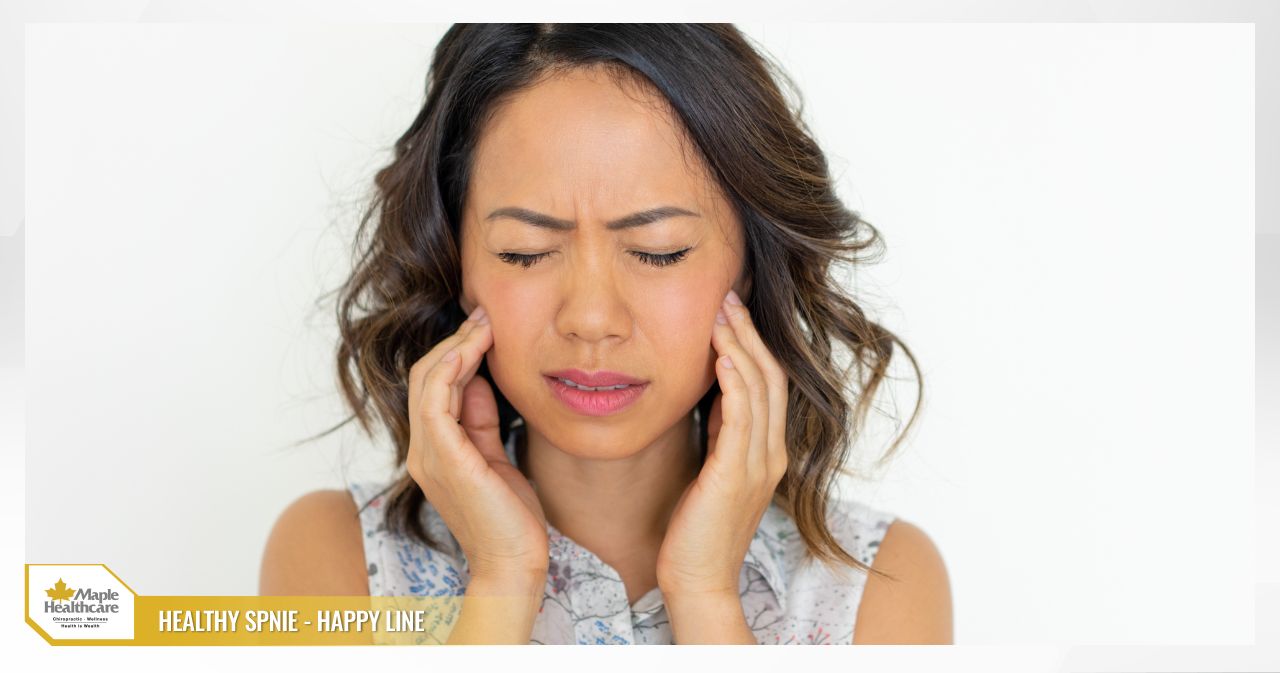
- Pain sensation: The pain may be dull and persistent or sharp and throbbing in episodes. Some people describe a tight, pressing sensation, as if a heavy object were pressing down or a band were tightening around the temples.
- Radiation: Pain often starts at both temples and may spread to the forehead, crown of the head, back of the neck, eye sockets, or even the jaw and facial area.
- Duration: Episodes may last a few hours or persist for several days, significantly affecting daily life.

1.2 Common accompanying symptoms
In addition to headache pain, you may experience one or more of the following symptoms:
- Digestive disturbances: Nausea or vomiting, especially during migraine attacks.
- Sensory sensitivity: Increased sensitivity to light (photophobia) and sound (phonophobia), typical features of migraine. Many people feel relief in a dark, quiet room.
- Musculoskeletal issues: Neck stiffness, shoulder tightness, and limited cervical mobility may indicate a cervicogenic headache. Jaw pain during chewing or clicking sounds in the jaw joint may suggest temporomandibular joint disorder (TMJ).
- General symptoms: Fatigue, lethargy, and difficulty concentrating are common. Some cases may involve a low-grade fever.
- Signs of inflammation or infection: In cases of sinusitis, symptoms may include nasal congestion, runny nose, and worsening pain when bending forward. With temporal arteritis, the temples may become swollen, warm, red, and extremely tender to touch.
1.3 “Red flag” warning signs – seek medical attention immediately
Most temporal headaches are benign. However, you should never ignore the following “red flag” symptoms, as they may indicate serious conditions such as increased intracranial pressure or brain hemorrhage.
Seek immediate medical care if you experience:
- Sudden onset of severe headache described as “the worst headache of your life.”
- Headache accompanied by high fever, stiff neck, or rash.
- Headache following head or neck trauma.
- Visual disturbances (double or blurred vision), slurred speech, weakness, or numbness on one side of the face, arm, or leg.
- Loss of balance or difficulty walking.
- New-onset severe headache in individuals over 50 years old, especially with jaw pain when chewing.
- Headache that progressively worsens and does not respond to common pain relievers.
Ignoring these warning signs can lead to serious, even life-threatening complications. Listening to your body and acting promptly is the best way to protect your health.
2. Common causes of bilateral temple pain
Effective treatment depends on identifying the root cause of the pain. Below are the most common causes.
2.1 Lifestyle factors and triggers
Sometimes headaches are not caused by disease but are the body’s response to environmental and lifestyle factors:
- Stress: Work pressure and prolonged emotional stress can cause muscle tension in the head and neck, leading to tension-type headaches.
- Lack of sleep or disrupted sleep schedule: Poor or irregular sleep can disturb the body’s biological rhythm and trigger headaches.
- Environmental factors: Sudden weather changes, loud noise, bright lights, or flickering computer screens.
- Food and beverages: Aged cheese, chocolate, foods containing MSG, as well as caffeine and alcohol, may trigger headaches in sensitive individuals.

2.2 Major medical conditions
2.2.1 Tension-type headache
This is the most common type of headache. It typically presents as a dull, tightening pain, often described as a band squeezing around the head, especially at both temples. The pain is usually mild to moderate and does not worsen with physical activity.
2.2.2 Migraine
Migraines often cause throbbing or pulsating pain, usually starting on one side of the head and potentially spreading to both temples. They are commonly accompanied by nausea, vomiting, and extreme sensitivity to light and sound. Some individuals experience an “aura,” such as visual disturbances or tingling sensations, before the headache begins.
2.2.3 Temporal arteritis
Temporal arteritis is an inflammatory condition affecting the arteries in the temple region, most commonly seen in individuals over 50 years old. Symptoms include burning pain in one or both temples, jaw pain while chewing, low-grade fever, fatigue, and weight loss. The temples may be swollen and tender to touch. This is a medical emergency, as delayed treatment with corticosteroids can result in permanent vision loss.
2.2.4 Cervicogenic headache
This type of headache originates from disorders of the cervical spine, such as degenerative changes or poor posture. Pain typically begins in the neck and radiates to one or both temples, often worsening with neck movement or prolonged static posture.
2.2.5 Sinusitis
Inflammation and blockage of the paranasal sinuses can cause pressure and pain in the forehead, cheeks, and both temples. Pain often worsens when bending forward and may be accompanied by nasal congestion and discharge.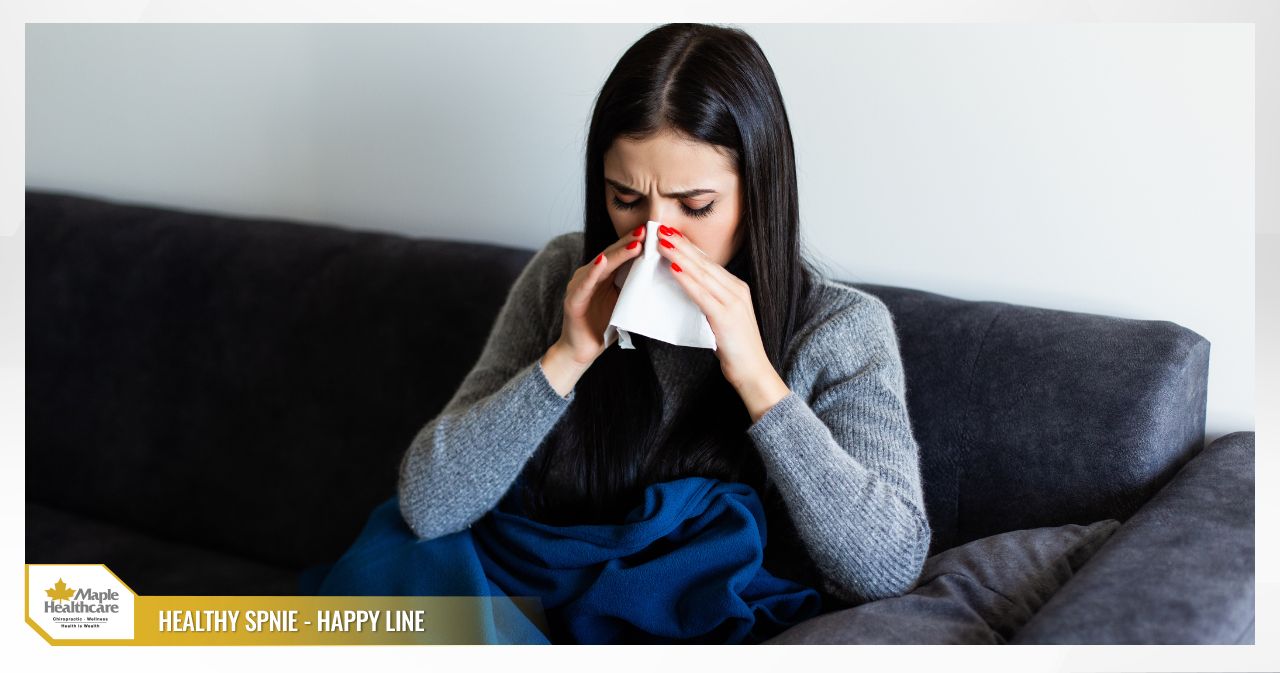
2.2.6 Temporomandibular joint disorder (TMJ)
The temporomandibular joint connects the jawbone to the skull. Disorders affecting this joint—such as inflammation, misalignment, or muscle spasm—can cause pain in the temples, ears, and jaw, often worsening with chewing, speaking, or yawning.
3. Diagnosis and treatment of bilateral temple pain
Accurate diagnosis and appropriate treatment are essential to effectively relieve pain.
3.1 Diagnostic process
When you visit a healthcare provider, the diagnostic process may include:
- Medical history: Detailed questions about the onset, duration, nature of pain, triggering or relieving factors, family history of migraine, and medications used.
- Physical examination: Neurological examination, assessment of the head and neck, palpation of the temporal arteries, evaluation of cervical range of motion, and TMJ assessment.
- Laboratory tests and imaging (if needed):
- Blood tests: ESR and CRP to evaluate for temporal arteritis.
- CT or MRI scans: To rule out serious conditions such as brain tumors or hemorrhage.
3.2 Treatment options
Treatment plans are individualized based on the underlying cause and severity of symptoms.
3.2.1 Medication
- Over-the-counter pain relievers: Paracetamol (acetaminophen) or NSAIDs such as ibuprofen are commonly used for mild to moderate tension headaches. Avoid overuse to prevent medication-overuse headache.
- Cause-specific medications:
- Corticosteroids: First-line and urgent treatment for temporal arteritis to protect vision.
- Migraine preventive medications: Such as topiramate, amitriptyline, or propranolol for frequent migraine attacks.
3.2.2 Non-drug therapies
At Maple Healthcare, we prioritize conservative, non-invasive, non-surgical approaches that address the root cause of pain.
- Chiropractic care: Gentle spinal adjustments to correct cervical misalignments, relieve nerve compression, and reduce muscle tension in cervicogenic headaches.
- Physical therapy and rehabilitation: Stretching and strengthening exercises for neck and shoulder muscles, combined with heat therapy, ultrasound, and massage to improve circulation and reduce pain.
- TMJ disorder management: Jaw exercises, joint mobilization, and habit modification to reduce joint stress.
3.2.3 Lifestyle modifications
- Rest: Seek a quiet, low-light environment during headache episodes.
- Stress management: Deep breathing, meditation, and yoga can reduce headache frequency.
- Posture correction: Maintain proper posture when working, and avoid prolonged forward head posture.
4. Prevention and long-term management
“Prevention is better than cure.” This principle is especially true for headaches. A healthy lifestyle and effective management strategies can significantly reduce the frequency and severity of pain.
4.1 Healthy lifestyle habits
- Adequate sleep: Aim for 7–8 hours of quality sleep per night with a consistent schedule.
- Balanced nutrition: Eat regular meals, stay hydrated, and avoid skipping meals.
- Stress management: Engage in relaxing activities such as reading, listening to music, or walking.
- Regular exercise: Moderate activities like walking, swimming, or cycling help release endorphins and improve circulation.
- Avoid triggers: Limit caffeine, alcohol, and known food triggers. Keeping a headache diary can help identify personal triggers.
4.2 Home self-care techniques
- Temple and neck massage: Gentle circular massage to relax muscles.
- Warm or cold compress: Apply warmth to the neck or cold to the temples depending on personal relief.
- Rest in a quiet space: Especially helpful during migraine attacks.
4.3 Monitoring and follow-up
- Headache diary: Record frequency, duration, severity, symptoms, and triggers.
- Regular follow-up: Seek medical review if symptoms change or worsen.

5. Conclusion
Bilateral temple pain is a common condition, often caused by benign issues such as tension headaches or migraines. However, it can also signal more serious conditions like temporal arteritis. Early diagnosis and appropriate treatment for bilateral temple pain, combined with lifestyle modification, are key to effective management.
Preventive strategies—including stress management, adequate sleep, and healthy habits—play a crucial role. Never ignore red-flag symptoms such as sudden severe headache, fever, neck stiffness, or neurological deficits.
If symptoms persist or worsen, seek professional medical advice. At Maple Healthcare, our team of doctors and specialists is ready to identify the root cause and develop a personalized treatment plan to help you recover safely and sustainably.
6. FAQ: Frequently asked questions about bilateral temple pain
6.1. Is bilateral temple pain dangerous?
Answer: Most cases are benign and usually caused by stress or migraines. However, it can indicate a serious condition if accompanied by “red flag” symptoms such as sudden severe pain, fever, stiff neck, visual disturbances, or weakness. Seek immediate medical attention if these occur.
6.2. When should I seek emergency care or see a doctor?
Answer: Seek emergency care immediately if the headache is described as “the worst of your life,” follows a head injury, or is accompanied by high fever, stiff neck, confusion, or weakness. Individuals over 50 experiencing new-onset temple pain and jaw pain while chewing should suspect temporal arteritis and seek urgent medical advice.
6.3. Can eye or dental issues cause bilateral temple pain?
Answer: Yes, absolutely. Glaucoma can cause pain around the eyes that radiates to the temples. Dental problems or temporomandibular joint (TMJ) disorders are also common causes of facial and temporal pain. You should consult the respective specialists to rule these out.
6.4. Which pain relievers are safe to use?
Answer: Paracetamol (acetaminophen) and ibuprofen are generally safe when used as directed for mild to moderate pain. However, avoid overuse. If you require pain medication frequently (more than 2–3 times per week), consult a doctor to identify the underlying cause and develop a more appropriate treatment plan.
6.5. How can I prevent recurrent bilateral temple pain?
Answer: Effective strategies include maintaining adequate sleep, managing stress through relaxation techniques, exercising regularly, staying hydrated, and avoiding personal triggers (such as specific foods or alcohol). Keeping a headache diary can also help you identify and avoid triggers.
Related Articles:
Contact for consultation
MAPLE INTERNATIONAL CO., LTD
Phone: 0705 100 100
Tax code: 0311948301
Date Range: 21 - 08 - 2012
Issued: Department of Planning and Investment of Ho Chi Minh City
Medical Practice License: No. 08834/HCM-GPHĐ
Healthcare Group Members



Contact Us
COPYRIGHT