“Plantar fasciitis is one of the most common causes of heel pain: a sharp, stabbing sensation along the bottom of the heel, often worst with the very first steps in the morning or after sitting for a while. If you are searching for heel pain treatment with acupuncture in Vietnam, this guide from Maple Healthcare explains what causes it, how Traditional Chinese Medicine (TCM) and modern fascial anatomy view it, and why treating the calf matters as much as treating the heel.”
Key takeaways- Plantar fasciitis happens when the plantar fascia, the thick band of connective tissue from the heel to the base of the toes, becomes irritated and loses its normal flexibility.
- Pain is typically sharpest with the first steps in the morning or after sitting.
- TCM links persistent heel pain to the Kidney meridian; fascial anatomy links it to tight calves pulling on the foot.
- Effective treatment looks at the whole back-of-leg chain, not only the point that hurts.
What Is Plantar Fasciitis?
The plantar fascia is the thick band of connective tissue running from the heel to the base of the toes, supporting the arch of the foot. When it becomes irritated and loses its normal flexibility, the result is the sharp, stabbing heel pain known as plantar fasciitis.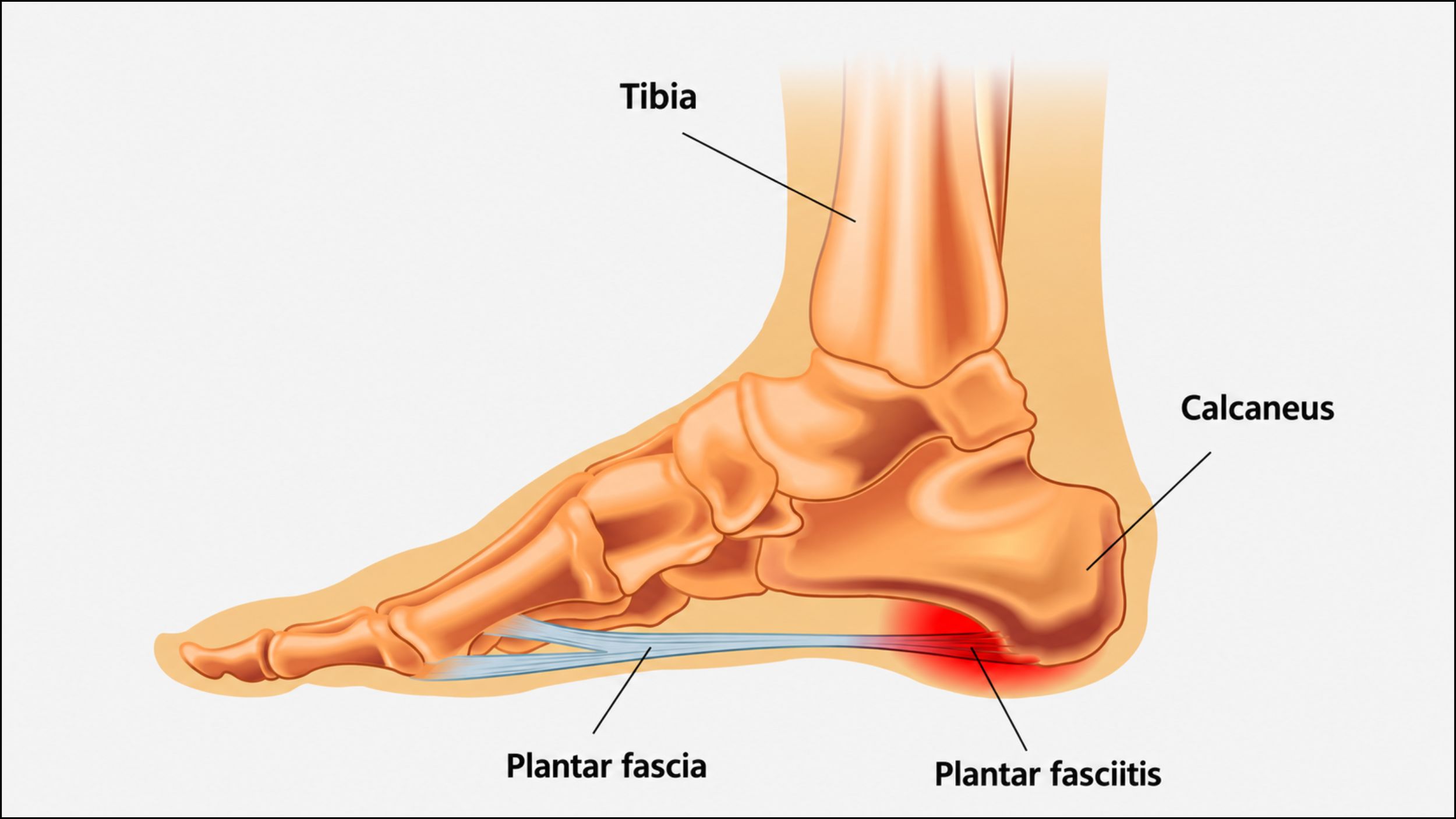
Common Causes of Heel Pain
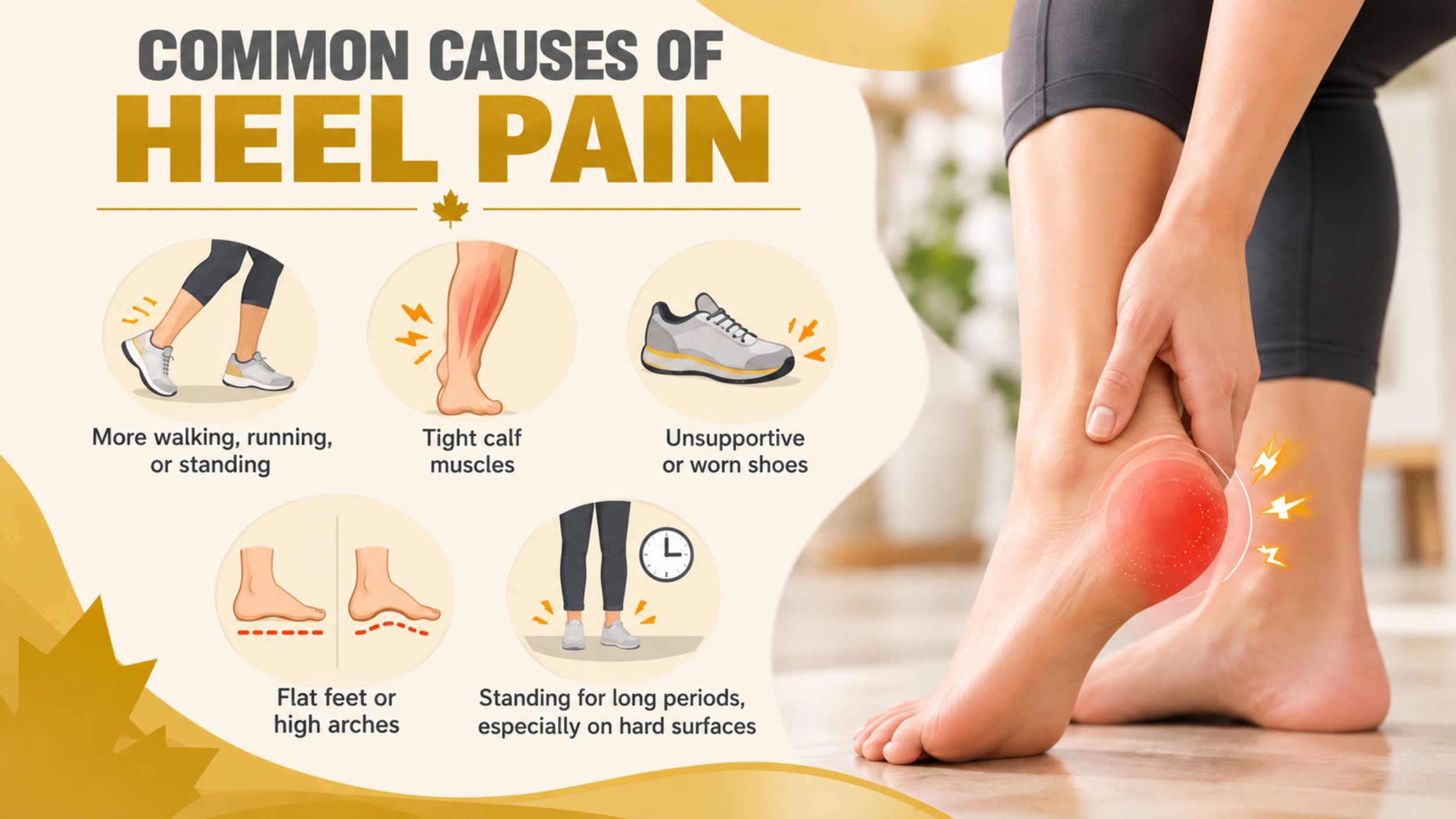
- A sudden increase in walking, running or standing time
- Tight calf muscles, which place extra tension on the plantar fascia
- Unsupportive footwear or worn-out shoes
- Flat feet or unusually high arches
- Being on your feet for long stretches, especially on hard floors
The TCM View: Heel Pain and the Kidney Meridian
In TCM, the heel sits along the pathway of the Kidney meridian. Persistent heel pain is often associated with a depletion of Kidney energy, sometimes made worse by ageing, overwork or chronic fatigue. Treatment aims to nourish this energy while clearing the local stagnation of Qi and Blood that produces the sharp, localised pain.The Fascial View: Why the Calf Matters as Much as the Heel
The plantar fascia does not operate in isolation. It sits at the foot of a long fascial line running up the back of the leg, through the calf and hamstring, and continuing along the spine. Tight calves place exactly the kind of extra pull on the plantar fascia that produces this condition in the first place. This is why treatment that targets only the heel often falls short. A more effective approach treats the calf and the arch-supporting fascia along the inner leg together with the heel itself.How Acupuncture Treats Plantar Fasciitis
Acupuncture at Maple combines local points around the heel and arch with points along the calf. The aim is to release the tension feeding into the plantar fascia and to restore blood flow and mobility to the area.Self-Care Between Sessions
- Gently roll the arch of the foot over a tennis ball or a frozen water bottle for a minute or two.
- Stretch the calf regularly.
When to See a Doctor First
Get a medical assessment before starting treatment if your heel pain began suddenly after an injury, if you cannot put weight on the foot, or if the heel is visibly swollen, red or warm, or accompanied by numbness or tingling. Take extra care and check with your doctor if you have diabetes. Acupuncture is best used once other causes of heel pain have been ruled out.
Frequently Asked Questions
Why is plantar fasciitis worst with the first steps in the morning?
The pain is often worst with the very first steps in the morning or after sitting for a while, which is typical of an irritated plantar fascia that has lost some of its flexibility.What causes plantar fasciitis?
Common causes include a sudden increase in walking, running or standing time, tight calf muscles, unsupportive or worn-out shoes, flat feet or unusually high arches, and long periods on your feet on hard floors.Why does my calf need treatment for heel pain?
The plantar fascia sits at the foot of a fascial line running up the back of the leg. Tight calves add extra pull on the plantar fascia, so treating only the heel often falls short.What does acupuncture for plantar fasciitis involve?
At Maple, treatment combines local points around the heel and arch with points along the calf, aiming to release tension feeding into the plantar fascia and restore blood flow and mobility.What can I do at home between sessions?
Roll the arch of the foot over a tennis ball or frozen water bottle for a minute or two, and stretch the calf regularly.Book a Consultation at Maple Healthcare Vietnam
If heel pain is affecting your daily walk, come in for a consultation. Our acupuncturists will assess the whole back-of-leg chain, not just the point that hurts.
Contact for consultation
MAPLE INTERNATIONAL CO., LTD
Phone: 0705 100 100
Tax code: 0311948301
Date Range: 21 - 08 - 2012
Issued: Department of Planning and Investment of Ho Chi Minh City
Medical Practice License: No. 08834/HCM-GPHĐ
Healthcare Group Members



Contact Us
COPYRIGHT