Muscle tears are among the most common musculoskeletal injuries. They often occur suddenly during sports, heavy physical work, or even because of a poorly positioned movement. The sharp pain and weakness in the affected muscle can be worrying, especially when you ask questions such as how long does a muscle tear take to heal or how long is the muscle tear recovery time.
Understanding this condition—from its causes and severity to appropriate first aid and rehabilitation—is essential for managing pain effectively, reducing complications, and, most importantly, preventing recurrence.
This article provides a comprehensive overview to answer your questions about:
- What exactly a muscle tear is and its common causes.
- How to recognise muscle tear symptoms at each level of severity, from a mild strain to a complete muscle rupture.
- The average recovery time for each severity level, including common injuries such as a calf muscle tear.
- Effective treatment methods for each stage and when you should see a doctor immediately.
What Is a Muscle Tear?
A muscle tear—medically referred to as a muscle strain or muscle tear—occurs when muscle fibres and/or tendons are overstretched or exposed to excessive force, resulting in injury. The severity can range from very mild microscopic damage, involving tiny injuries to individual muscle fibres, to a partial tear of a muscle bundle, and, in the most severe cases, complete rupture of the muscle bundle.
In serious injuries, a muscle tear may also involve tendon damage or even cause the muscle to pull away from where the tendon attaches to the bone.
How Does the Injury Occur?
Imagine that muscle fibres are like elastic rubber bands. When you suddenly perform a powerful contraction or stretching movement—for example, sprinting, jumping, changing direction unexpectedly, or lifting something too heavy—these “rubber bands” are stretched. If the force exceeds their tolerance, they may “tear” to varying degrees. This is how a muscle tear occurs.
The most commonly affected areas include the hamstrings, calf muscles, quadriceps, shoulder muscles, and back muscles.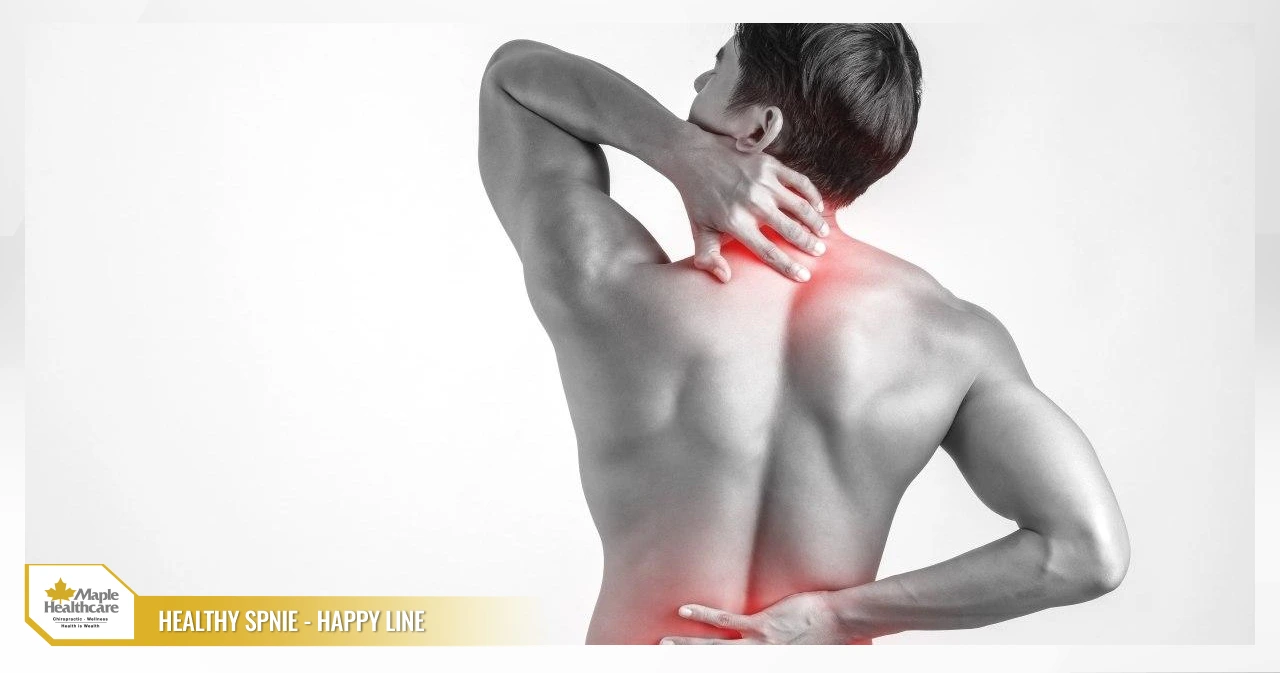
Muscle Strain vs Muscle Tear vs Sprain
Pain after physical activity can easily be misunderstood. Correctly identifying the injury helps you choose appropriate initial care.
- Mild muscle stretching or strain: This is the mildest type of muscle injury. The muscle fibres are stretched but have not torn, or have only minimal microscopic damage. You may feel tightness or mild pain but can usually continue moving. There is little or no swelling or bruising.
- Muscle tear (strain): This term describes an injury to a muscle or tendon. Pain is usually more noticeable and increases when you try to contract or stretch the affected muscle. The injured area may swell, feel weak, and develop bruising after a short time.
- Sprain: This injury affects ligaments, which connect bones to one another at a joint. Pain is concentrated around the joint and may be accompanied by swelling and a feeling of looseness or instability. Sprains are commonly caused by twisting a joint, such as rolling an ankle.
A simple self-check: Ask yourself: “Is the pain in the middle of the muscle or directly around the joint?” Pain in the muscle is more likely to indicate a strain or muscle tear. Pain around the joint may indicate a sprain. However, you should see a doctor if symptoms do not improve.
Common Causes of Muscle Tears
A muscle tear can happen to anyone, but it commonly results from the following situations and risk factors:
- A sudden increase in exercise intensity: This is the leading cause. Your body may not have had time to adapt to sprinting, jumping, rapid changes of direction, or lifting heavier weights than usual.
- Insufficient warm-up or poor technique: Skipping a warm-up leaves the muscles stiff and less flexible, making them more vulnerable to sudden loading.
- Poor posture when lifting or exercising: Lifting a heavy object incorrectly—for example, bending through your back instead of using your legs—creates poor leverage and places excessive stress on the back or other muscle groups.
- Fatigue and inadequate recovery: When muscles are exhausted after several consecutive training sessions, their ability to tolerate force decreases significantly, increasing the risk of injury.
- Muscle imbalance: When one muscle group is much weaker than its opposing group—for example, weak hamstrings compared with the quadriceps—the imbalance may cause the weaker muscle to overstretch during movement.
- Direct impact: A fall or a strong blow to a muscle can also cause a tear.
- Other factors: Ageing, which can make muscles less flexible; dehydration and electrolyte loss, which can increase the risk of muscle spasms; and certain underlying health conditions.
Key point: Prevention is always preferable to treatment. Warm up thoroughly, increase exercise intensity gradually, and allow your body enough time to rest to reduce the risk of injury.
Muscle Tear Symptoms by Severity
The signs of a muscle tear depend entirely on the severity of the injury. Grading the injury helps your doctor estimate recovery time and select appropriate treatment.
Mild Muscle Stretching or Strain
- Injury: The muscle fibres are stretched, with possibly a few very small tears.
- Symptoms:
- A dull ache or tightness in the muscle, more noticeable with movement and relieved by rest.
- Little or no swelling.
- No bruising.
- You can still walk and perform light activities.
Grade 1 Muscle Tear (Microscopic Tear)
- Injury: A small number of muscle fibres are torn, approximately 5–10%.
- Symptoms:
- Sharp or noticeable pain during exertion, especially when contracting or stretching the affected muscle.
- Mild swelling may occur.
- Mild muscle weakness, although limited activity may still be possible.
Grade 2 Muscle Tear (Partial Tear)
- Injury: A significant portion of the muscle bundle is torn but has not completely ruptured.
- Symptoms:
- Significant pain, which may be present even at rest.
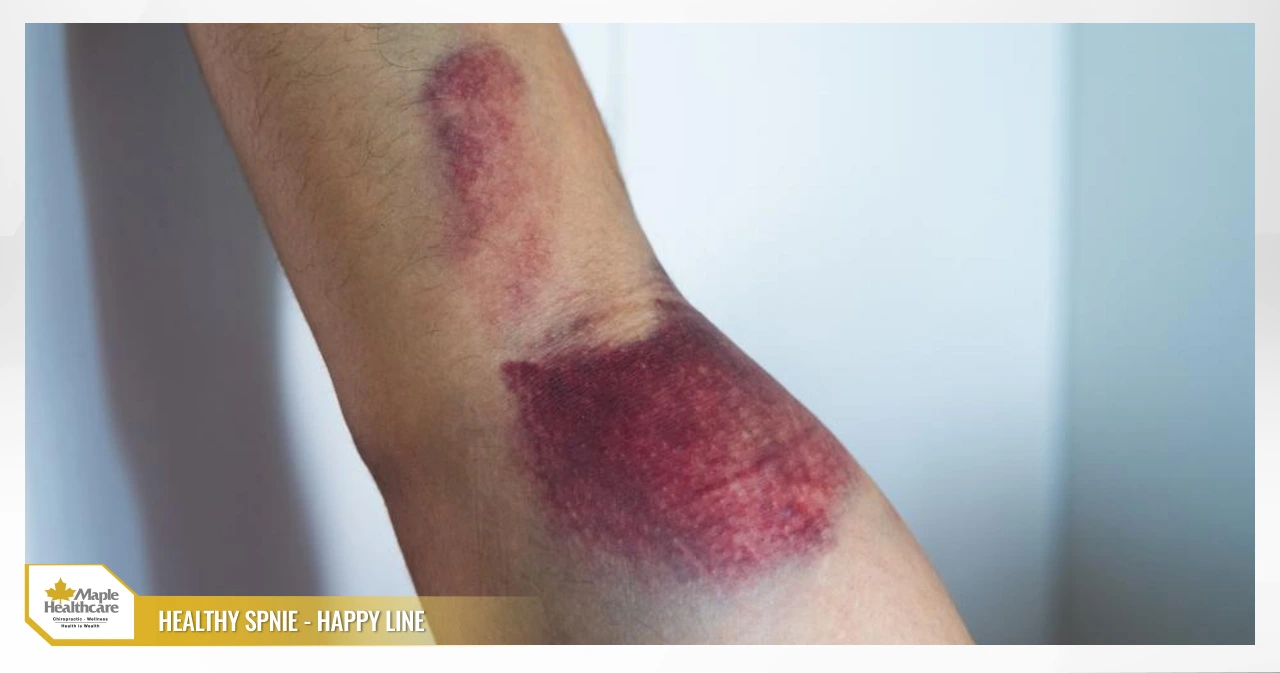
- Clear swelling and bruising around the injured area.
- Significant weakness, making continued activity very difficult or impossible.
- You may sometimes feel a “gap” or slight depression where the muscle has torn.

Grade 3 Muscle Tear (Complete Rupture)
- Injury: The muscle bundle has completely ruptured and may separate from the tendon. This is the most severe level.
- Symptoms:
- Severe, stabbing pain at the moment of injury. You may sometimes hear a “pop” or “snap”.
- Complete loss of function in that muscle—for example, being unable to stand or bend and straighten the knee.
- Marked swelling and extensive bruising.
- The muscle may appear visibly deformed, sunken, or contracted into a lump.
Does a muscle tear hurt?
Yes. The level of pain depends on the severity of the tear. Pain commonly increases when you contract or stretch the injured muscle.
- Muscle strain/Grade 1 tear: A dull to mild ache, mainly during movement.
- Grade 2 tear: Significant pain, which may be continuous.
- Grade 3 tear: Sudden, severe pain at the time of injury, which may later lessen even though the muscle has completely lost function.
Conditions That Can Be Mistaken for a Muscle Tear
- Muscle cramp: This is a sudden muscle contraction that causes sharp pain and stiffness. However, cramps usually last only a few minutes and resolve on their own without causing swelling, bruising, or prolonged weakness.
- Tendinitis: Pain is usually localised near a joint, where the tendon attaches, and increases with repetitive movement. Tendinitis does not usually cause extensive bruising.
- Herniated disc, if the pain is in the back or thigh: Pain often travels along the path of a nerve—for example, from the back down into the buttock and leg—and may be accompanied by numbness, tingling, or weakness. It may worsen after prolonged sitting, coughing, or sneezing.
Recommendation: If you experience numbness, paralysis, or are unsure what is causing the pain, see a doctor for an accurate diagnosis.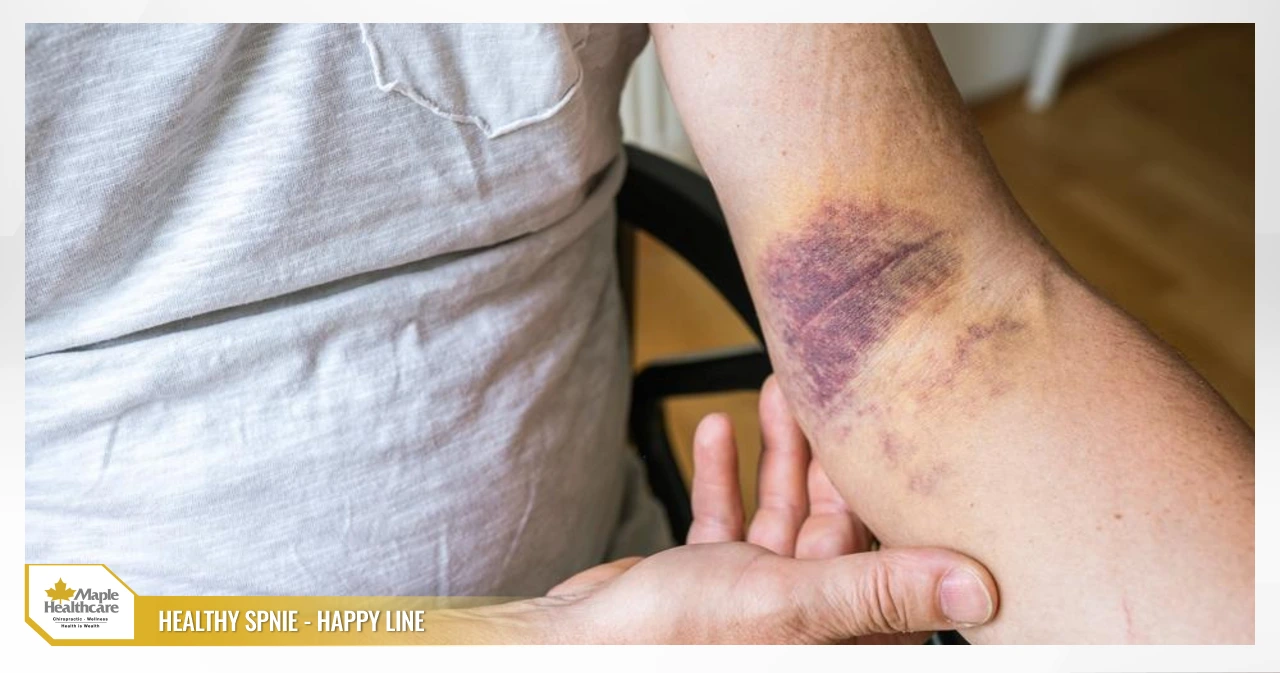
Is a Severe Muscle Tear Dangerous? When Should You Seek Immediate Care?
The term “muscle rupture” is commonly used to describe a severe muscle tear, corresponding to a Grade 2 or Grade 3 injury.
So, is a severe muscle tear dangerous? Yes. It can be serious if ignored. Complications may include permanent loss of movement, a large haematoma that compresses surrounding tissues, or the formation of firm scar tissue that weakens the muscle and increases the risk of recurrence.
Go to a medical facility or emergency department immediately if you have any of the following signs:
- You hear a “pop” or “snap” at the time of injury.
- You cannot stand, walk, or bear weight on the injured arm or leg.
- The muscle appears deformed, deeply indented, or contracted into a lump.
- Swelling and bruising spread rapidly.
- Pain is becoming increasingly severe.
- You experience numbness, loss of sensation, or coldness in the hand or foot.
- Particularly serious warning signs: Pain and swelling in one calf, with redness and warmth of the skin, together with shortness of breath or chest pain. These may indicate deep vein thrombosis, which is a medical emergency.
How Do Doctors Diagnose a Muscle Tear?
When you visit a clinic, your doctor may use the following steps to determine the severity of the injury:
- Medical history and physical examination: Your doctor will ask how the injury occurred, where it hurts, and whether you have other symptoms. They will then examine the injured area for swelling and bruising and assess muscle strength and the range of motion of the related joint.
- Musculoskeletal ultrasound: This is a common, safe, and effective way to visualise muscle bundles. Ultrasound can identify the location and size of a tear and the amount of bleeding or haematoma.
- Magnetic resonance imaging (MRI): For severe tears, suspected Grade 2–3 injuries, or unclear diagnoses, MRI provides the most detailed images of the muscles, tendons, and surrounding soft tissues. This helps the doctor plan appropriate treatment, particularly when surgery is being considered.
- X-ray: This may be recommended when the doctor suspects an associated bone injury, such as a fracture or an avulsion injury where a tendon pulls away from its attachment.

How Long Does a Muscle Tear Take to Heal? Recovery Time
This is one of the most common questions. However, there is no single answer that applies to everyone. Muscle tear recovery time depends on several factors, including the severity and location of the injury, your age and general health, and—most importantly—whether you follow your treatment and rehabilitation plan.
Estimated Recovery Times
- Mild muscle stretching or strain: Approximately 1–2 weeks.
- Grade 1 muscle tear: Approximately 2–4 weeks.
- Grade 2 muscle tear: Approximately 4–8 weeks, and sometimes longer if a large muscle is affected or if you are an athlete.
- Grade 3 muscle tear, particularly when surgery is required: Approximately 3–6 months or longer.
How Long Does a Calf Muscle Tear Take to Heal?
Calf muscle tears are common among runners and people who participate in sports involving jumping. Recovery time also depends on the severity grade above. For a mild Grade 1 injury, you may need 2–4 weeks of rest and rehabilitation. A Grade 2 tear may take 4–8 weeks. Returning to running too soon is a leading cause of recurrence and prolonged recovery.
Factors That Affect Recovery
- Severity of the tear: Grade 3 injuries generally require the longest recovery.
- Age and overall health: Younger, healthier people often recover more quickly.
- Nutrition: A diet containing sufficient protein and essential micronutrients supports muscle-tissue repair.
- Adherence to care: Following your doctor’s instructions for rest and rehabilitation is an important factor in recovery.
- Re-injury: Returning to strenuous activity too early can worsen the injury and restart the recovery process.
Signs That You Are Recovering Well
- Pain and swelling gradually decrease each day.
- Bruising fades and disappears.
- You can move the related joint through a greater range without pain.
- Muscle strength gradually returns.
If your pain has not improved after 1–2 weeks or is getting worse, arrange a follow-up appointment so your doctor can reassess the injury.
Torn Muscle Treatment Options
In general, most Grade 1–2 muscle tears are treated conservatively, without surgery, while a Grade 3 tear may require surgical intervention.
First Aid During the First 24–72 Hours: The PRICE Principle
- P (Protect): Stop any activity that causes pain immediately. Use crutches if needed to reduce weight on an injured leg.
- R (Rest): Allow the injured muscle to rest fully.
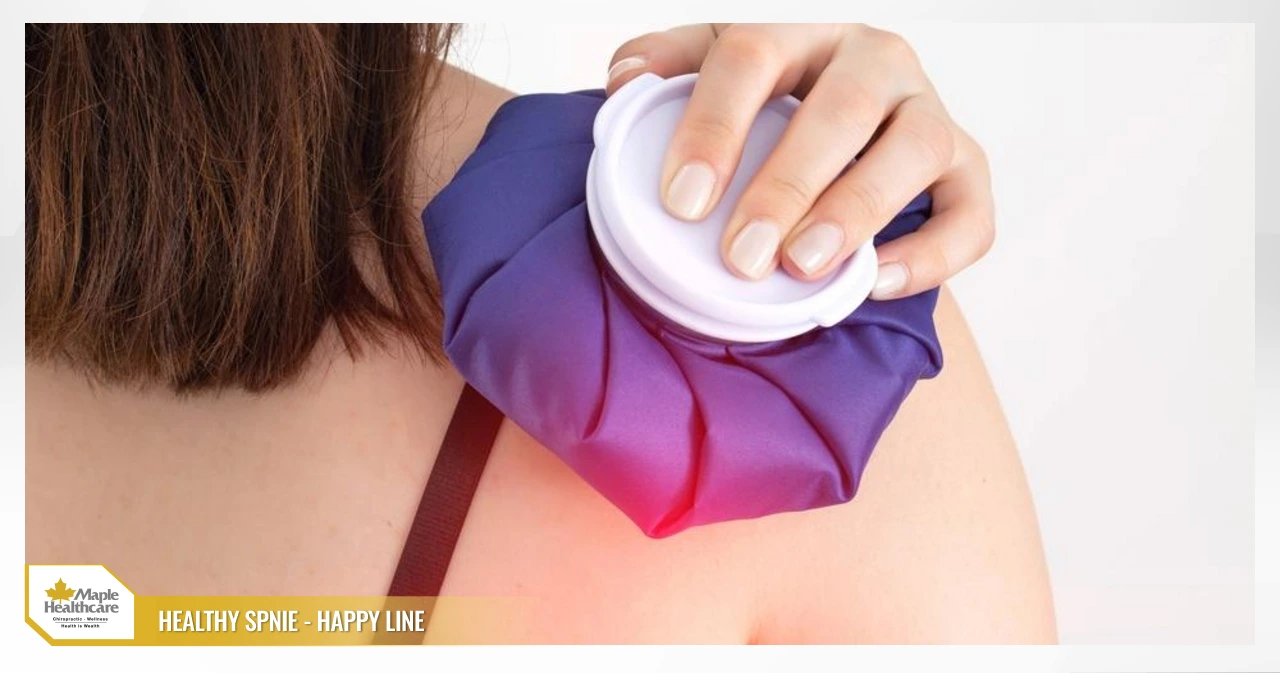
- I (Ice): Apply an ice pack wrapped in a thin towel to the injured area for 15–20 minutes, repeating every 2–3 hours. Cold therapy can help reduce swelling and pain.
- C (Compression): Gently wrap the injured area with an elastic bandage to limit swelling. Do not wrap it so tightly that it causes numbness.
- E (Elevation): Raise the injured leg above heart level when lying or sitting to help fluid return and reduce swelling.
Important: During the first 48 hours, DO NOT apply heat, use hot oils for massage, or forcefully stretch the injured muscle, as this may worsen bleeding and swelling.
Conservative Treatment for Grade 1 and 2 Tears
- Pain relief and anti-inflammatory medication: Your doctor may prescribe medicines such as paracetamol or an NSAID, such as ibuprofen, for a short period to control pain and inflammation. Always take medication as directed by your doctor.
- Physiotherapy: Treatments such as therapeutic ultrasound, laser therapy, and electrical stimulation, including TENS, may be used to reduce pain and swelling and support healing.
- Rehabilitation exercises: This is the most important part of restoring muscle strength and function. Rehabilitation is performed in stages under the guidance of a qualified professional:
- Early stage: Isometric exercises, which contract the muscle without moving the joint, help maintain strength.
- Middle stage: Gentle stretching exercises are introduced to restore range of motion.
- Final stage: Resistance exercises and functional exercises, which simulate daily activities or sports, help rebuild strength and prepare you to return to activity.
Surgery for Grade 3 Tears
Surgery is generally considered for Grade 3 muscle tears involving complete rupture, severe associated tendon injury, or failure of conservative treatment. The aim is to reconnect the torn muscle or tendon tissue and restore structure and function.
A Safe Return-to-Activity Plan
Returning to sport too soon is one of the most common mistakes and can lead to reinjury. You should only gradually resume training when you meet all of the following criteria:
- You have no pain during daily activities.
- The affected joint has regained its full range of motion, comparable with the uninjured side.
- Muscle strength has reached at least 90% of the uninjured side.
- You can complete functional tests, such as running, jumping, and changing direction, without pain.
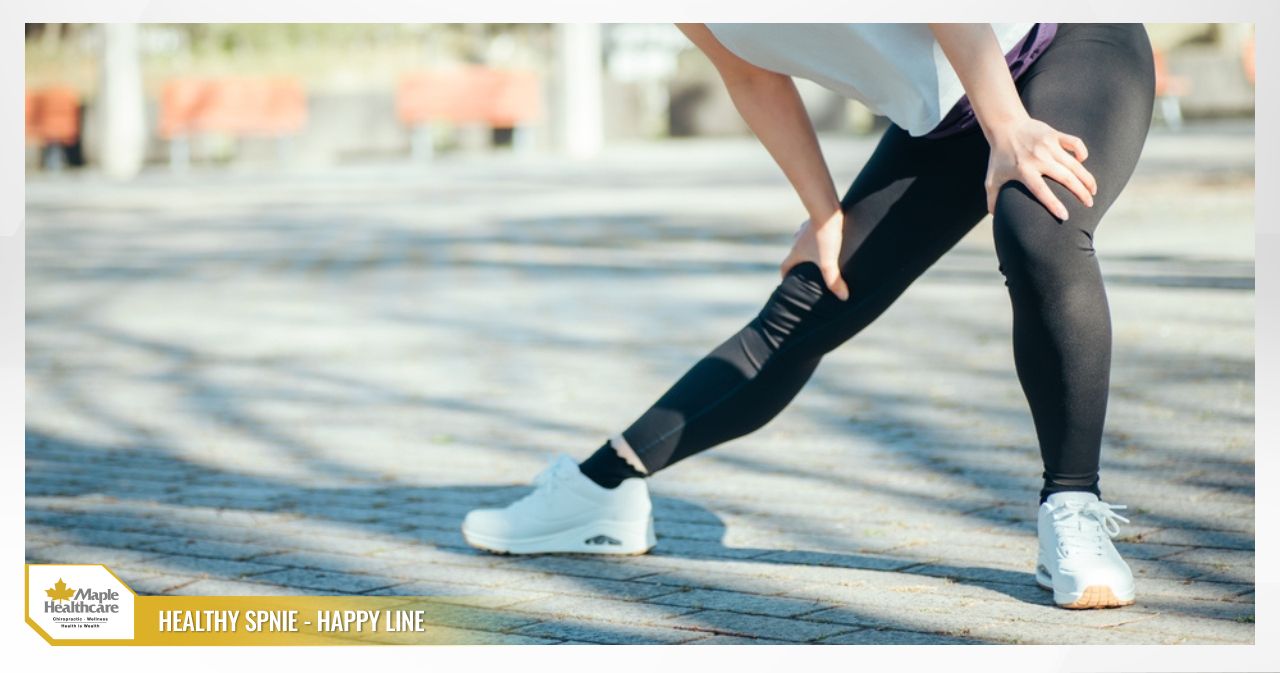
Always begin at a low intensity and increase gradually while paying attention to how your body responds.
How to Prevent Muscle Tears from Recurring
- Always warm up thoroughly: Spend 10–15 minutes warming up your whole body and performing dynamic stretches before each workout.
- Increase intensity gradually: Follow the 10% rule—do not increase your training volume, distance, or intensity by more than 10% per week.
- Build strength and flexibility: A balanced exercise programme helps muscle groups become stronger and more flexible.
- Pay attention to technique: Use proper technique during every exercise, especially when lifting weights.
- Listen to your body: Rest when you are tired and do not push through pain.
- Stay hydrated and eat well: Provide your muscles with the fluids and nutrients they need to work and recover.
Frequently Asked Questions About Muscle Tears
Can a muscle tear heal on its own?
Answer: A mild Grade 1 muscle tear may improve on its own with appropriate rest and first aid. However, Grade 2–3 tears require medical assessment and treatment to help the muscle heal correctly and reduce the risk of firm scar tissue, chronic weakness, and recurrence.
Does a muscle tear hurt, and how long does the pain last?
Answer: Yes, a muscle tear causes pain. Pain should gradually decrease with appropriate care. How long it lasts depends on the severity of the tear and may range from several days for a mild strain to several weeks. If pain persists or worsens, you should see a doctor.
Is a severe muscle tear dangerous, and when should I go to the emergency department?
Answer: It can be serious, particularly if it is a Grade 3 tear. Seek emergency care immediately if you hear a “pop”, cannot bear weight on the affected limb, notice muscle deformity, develop rapidly spreading swelling or bruising, or experience numbness or loss of sensation.
How long does a calf muscle tear take to heal?
Answer: Recovery depends on the severity: 1–2 weeks for a mild strain, 2–4 weeks for a Grade 1 tear, and 4–8 weeks or longer for a Grade 2 tear. Following your rehabilitation plan and avoiding running or jumping too soon are important.
How do I know whether I am recovering well after a muscle tear?
Answer: You are likely recovering well if pain and swelling gradually decrease, bruising fades, and your movement improves each week. If symptoms have not improved after 1–2 weeks or become worse, you should arrange a follow-up examination.
Should I massage or apply heat to a torn muscle?
Answer: No, not during the first 48–72 hours. Massage and heat may increase bleeding and swelling. After the acute phase, gentle massage or warm therapy may be appropriate under the guidance of a physiotherapist to improve circulation and relax the muscle.
Conclusion
A muscle tear is common but can often recover well when it is diagnosed and treated appropriately. Recognising the signs, knowing how to provide initial first aid, and following a structured rehabilitation programme are important for returning safely and gradually to your usual activities.
Do not ignore muscle pain, particularly if it persists, becomes associated with significant swelling, or limits your movement. If you are unsure about your condition or your symptoms are not improving, a medical assessment is appropriate. At Maple Healthcare in Ho Chi Minh City, clinicians can assess the severity of your muscle tear and develop a personalised conservative treatment plan that may combine physiotherapy with suitable rehabilitation exercises to support a safe return to activity.
Related articles:
Contact for consultation
MAPLE INTERNATIONAL CO., LTD
Phone: 0705 100 100
Tax code: 0311948301
Date Range: 21 - 08 - 2012
Issued: Department of Planning and Investment of Ho Chi Minh City
Medical Practice License: No. 08834/HCM-GPHĐ
Healthcare Group Members



Contact Us
COPYRIGHT