Sciatica is one of the most frustrating and common types of pain, especially for office workers or women during pregnancy. The sharp, shooting pain, numbness, or burning sensation that travels from the lower back down to the foot can severely impact your quality of life, work, and daily activities. This condition is distinctly different from common low back pain because the pain isn’t localized; it radiates along the path of the sciatic nerve.
Many people, particularly expectant mothers, often worry about what causes this pain, how to relieve it safely without affecting the baby, and when it’s necessary to seek a doctor’s help.
This article provides a comprehensive overview of sciatica, from its definition, causes, and symptoms to diagnostic methods and a step-by-step guide to sciatica treatment. We will offer specific, safe instructions on exercises, posture, and at-home care to help you manage the pain effectively and know exactly when to consult a healthcare professional.
Important Note: All information in this article is for reference purposes only. You should always consult with your doctor or a physiotherapist before starting any exercise program or taking any medication, especially for sciatica during pregnancy.
Sciatica: A Quick Summary (TL;DR)
- Main Causes During Pregnancy: This condition often occurs due to a combination of factors: rapid weight gain, an expanding uterus pressing on the sciatic nerve, and hormonal changes that relax ligaments, increasing pressure on the spine.
- Recovery Time: Most cases of sciatica during pregnancy improve significantly after childbirth, combined with adequate rest and at-home care. However, if weight is not well-managed, the pain may last longer.
- Preferred Pain Relief Methods: Non-surgical treatments are always prioritized, including: relative rest, proper application of heat/cold packs, adjusting sitting and sleeping postures, gentle massage, and maintaining a healthy weight.
- Warning Signs of Sciatica: If you experience symptoms such as severe and rapidly worsening pain, numbness in the “saddle” area (around the anus and genitals), leg weakness, or loss of bladder/bowel control, seek emergency medical attention immediately.

What Is Sciatica?
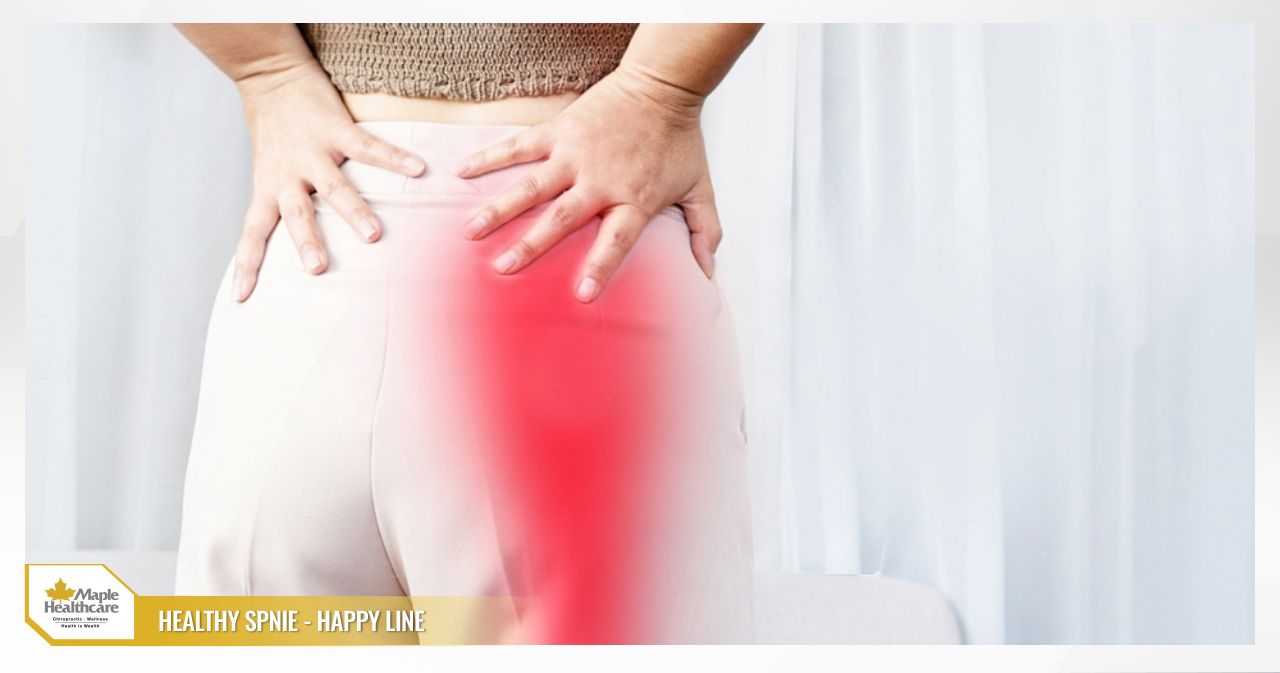
To understand sciatica, we first need to know about the sciatic nerve. This is the largest and longest nerve in the body, formed by nerve roots (from L4 to S3) in the lumbar region. The nerve runs from the lumbar spine, through the buttocks, down the back of the thigh, and then branches out at the back of the knee to control movement and sensation for most of the lower leg and foot.
Sciatica is the term used to describe symptoms of pain, numbness, weakness, or tingling that occur when this nerve is compressed or irritated at any point along its path, most commonly in the lumbar spine area.
Differentiating Between Low Back Pain and Sciatica:
- Common Low Back Pain (Mechanical Pain): The pain is usually confined to the lower back area. It can be a dull ache or a sharp pang but does not travel down the leg.
- Sciatica: Characterized by radiating pain. The pain starts in the low back or buttock, then travels down the back of the thigh, lower leg, and can even reach the toes. This pain typically occurs on only one side of the body (pain radiating down the right or left leg).
Typical Symptoms of Sciatica
Symptoms can vary greatly in nature and intensity from person to person, but they generally share some common characteristics:
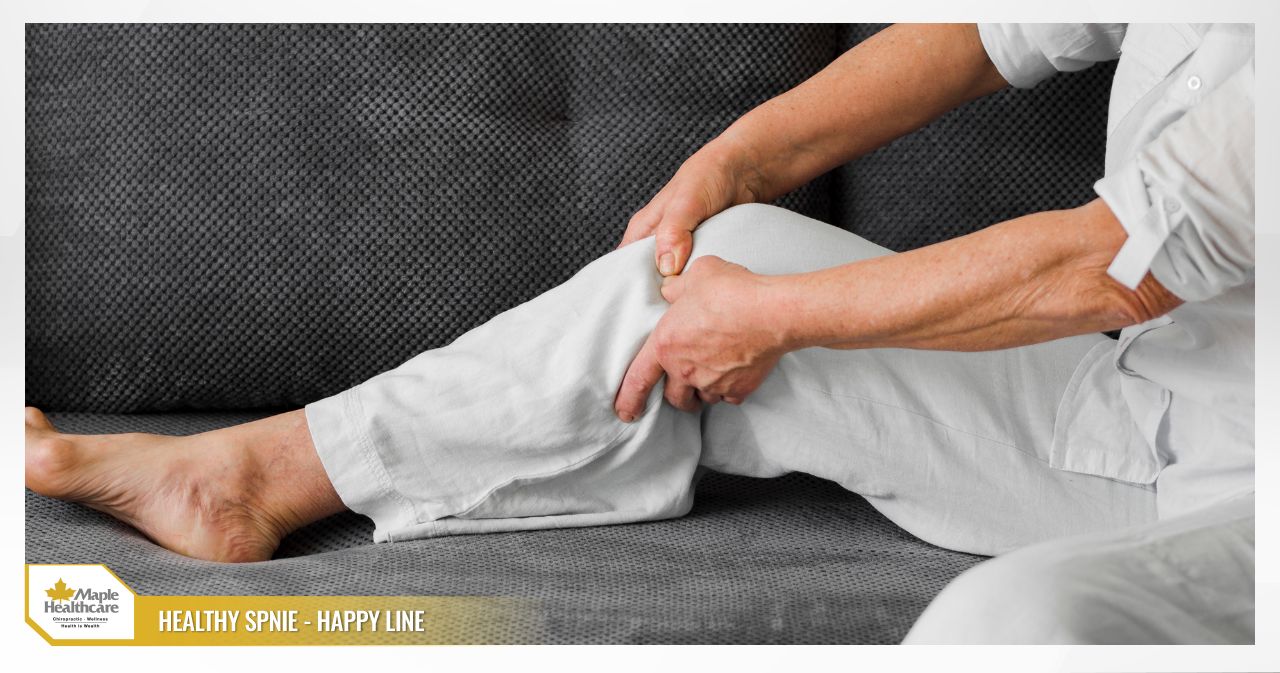
- Radiating Pain: This is the most distinct sign. The pain can be described as a burning sensation, an electric shock, or a dull ache. It starts in the lower back and radiates down one leg.
- Numbness or Muscle Weakness: You might feel numbness, a “pins and needles” tingling sensation (paresthesia), or weakness in the affected leg or foot. This can make it difficult to stand on your toes or heels.
- Pain Worsens with Posture Changes: The pain often gets worse when you sit for long periods, stand up, cough, sneeze, or try to lift something.
- One-Sided Pain: In most cases, sciatica affects only one side of the body, either the right or the left.
- Pain Intensity at Night: Many people find the pain becomes more intense at night, disrupting their sleep.
Causes and Risk Factors of Sciatica
Anything that compresses or irritates the sciatic nerve can be a cause of the pain.
Common Causes
- Lumbar Herniated Disc: This is the leading cause. When the gel-like center of a disc pushes out, it can directly press on the nerve roots that form the sciatic nerve.
- Lumbar Spinal Stenosis: A condition where the spinal canal narrows due to degeneration or other causes, putting pressure on the nerve roots.
- Spinal Degeneration and Spondylolisthesis: Bone spurs or instability of the vertebrae can narrow the foramen, where nerve roots exit the spine.
- Piriformis Syndrome: The piriformis muscle is located deep in the buttock area. When this muscle spasms or becomes inflamed, it can compress the sciatic nerve that runs just beneath it.
- Other Rare Causes: Spinal injury, tumors, or infections.
Risk Factors
- Pregnancy: Pregnant women, especially in the third trimester, are at high risk due to rapid weight gain, an enlarged uterus putting pressure on the nerve, and hormonal changes that loosen the pelvic joints.
- Sedentary Lifestyle: Sitting for prolonged periods increases pressure on the lumbar spine.
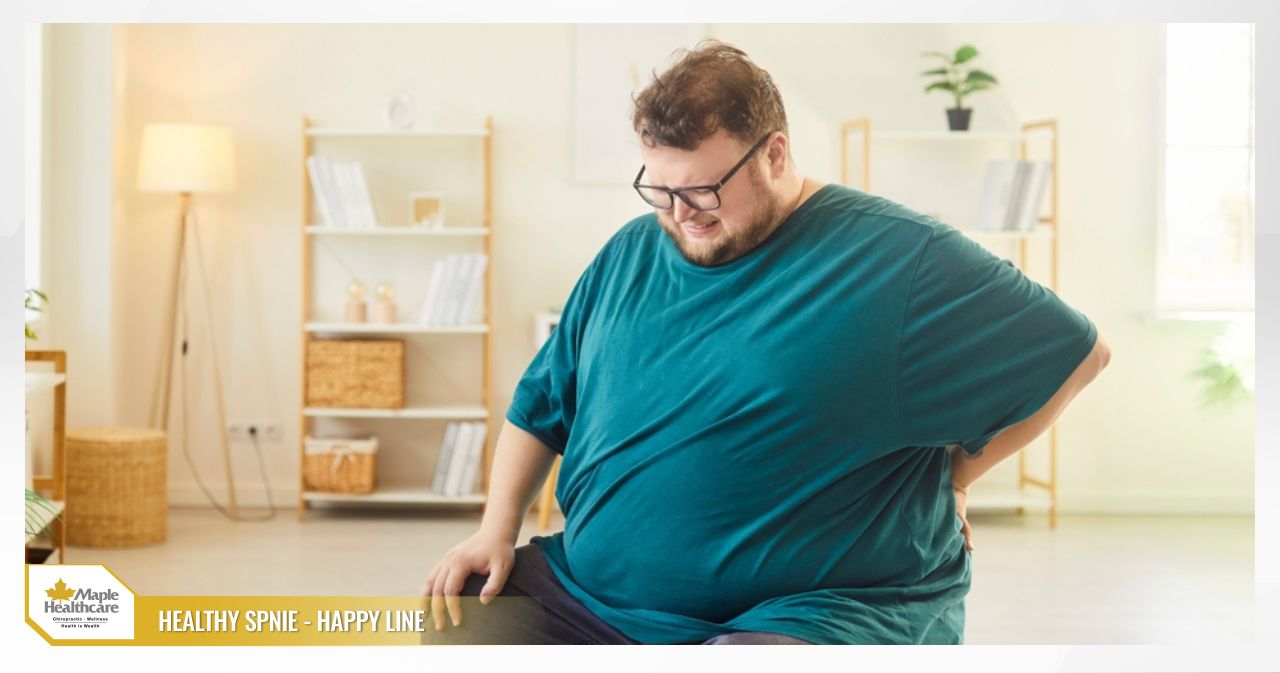
- Obesity: Excess body weight places an additional burden on the spine.
- Age: Degenerative changes in the spine increase with age.
When to See a Doctor for Sciatica
Most mild cases of sciatica can improve with at-home care measures. However, it’s important to recognize warning signs to seek timely medical attention.
Warning Signs That Require Immediate Medical Attention
You need to go to the hospital immediately if your pain is accompanied by any of the following symptoms. These could be signs of cauda equina syndrome, a medical emergency:
- Severe, sudden pain that is getting progressively worse.
- Numbness or loss of sensation in the “saddle” area (the skin that would touch a saddle, including the groin, buttocks, and inner genitals).
- Significant weakness in both legs, making it difficult to stand or walk.
- Loss of bladder or bowel control (urinary retention, incontinence, or fecal incontinence).
When to See a Doctor Soon
Schedule an appointment with a doctor if:
- The pain lasts for more than 4–6 weeks with no signs of improvement.
- The pain is very severe and significantly affects your daily activities.
- The pain recurs frequently.
- For expectant mothers, it’s advisable to see a doctor early for an accurate diagnosis and advice on safe treatment methods.
Diagnosing Sciatica
To determine the exact cause, a doctor will follow a structured diagnostic process.
- Medical History: The doctor will ask detailed questions about your symptoms: when the pain started, how it radiates, what makes it better or worse, and whether you have any numbness or muscle weakness.
- Physical Examination: The doctor will check your muscle strength, reflexes, and sensation in your legs. A common test is the Straight Leg Raise (Lasègue’s test): while you lie on your back, the doctor slowly lifts your affected leg. If this triggers pain that radiates along the sciatic nerve path, it suggests nerve root irritation.
- Imaging and Tests:
- Lumbar Spine MRI: This is the best imaging method to view soft tissues like intervertebral discs and nerve roots, helping to identify a herniated disc or spinal stenosis.
- X-ray or CT Scan: Often ordered to evaluate bone structures, such as spondylolisthesis or bone spurs.
- Electromyography (EMG): Measures the electrical activity of muscles and the speed of nerve conduction, helping to determine the extent of nerve damage.
Sciatica Treatment: A Step-by-Step Strategy
The goal of treatment is to reduce pain, restore function, and prevent recurrence, all while ensuring maximum safety, especially for expectant mothers and their babies.
At-Home Self-Care (Initial Phase)
- Relative Rest: For the first 24-48 hours, avoid activities that cause severe pain, but do not stay completely inactive. Gentle movement helps prevent stiffness.
- Hot and Cold Therapy for Sciatica:
- First 48 hours: Use an ice pack or cold gel on the painful lower back area for 15 minutes, repeating 3-4 times a day to reduce inflammation.
- After 48 hours: Switch to warm compresses using a heating pad or warm towel to help relax tight muscles.
- Pain-Relieving Postures: When sleeping, lie on your non-painful side and place a pillow between your knees to keep your spine aligned.

Medications (Always as Prescribed by a Doctor)
- Paracetamol during Pregnancy: Acetaminophen (Paracetamol) is generally considered the first-line choice for pain relief during pregnancy, but you must strictly adhere to the dosage prescribed by your doctor.
- Avoid Other Medications: Non-steroidal anti-inflammatory drugs (NSAIDs) and muscle relaxants are generally not recommended for pregnant women unless specifically permitted and closely monitored by a doctor. Using safe, non-drug treatments is always the top priority, as recommended by healthcare professionals.
Physiotherapy and Functional Rehabilitation
This is a foundational, non-invasive, and highly effective treatment approach:
- Chiropractic Care: Chiropractic doctors perform gentle adjustments to correct misalignments in the spine, relieving pressure on the nerve roots.
- Physiotherapy: Therapists will guide you through stretching and strengthening exercises for your back, abdominal, and pelvic floor muscles to better support the spine.
- Massage Therapy: Gentle massage of the buttocks and lower back can help reduce muscle spasms, improve blood circulation, and alleviate pain.
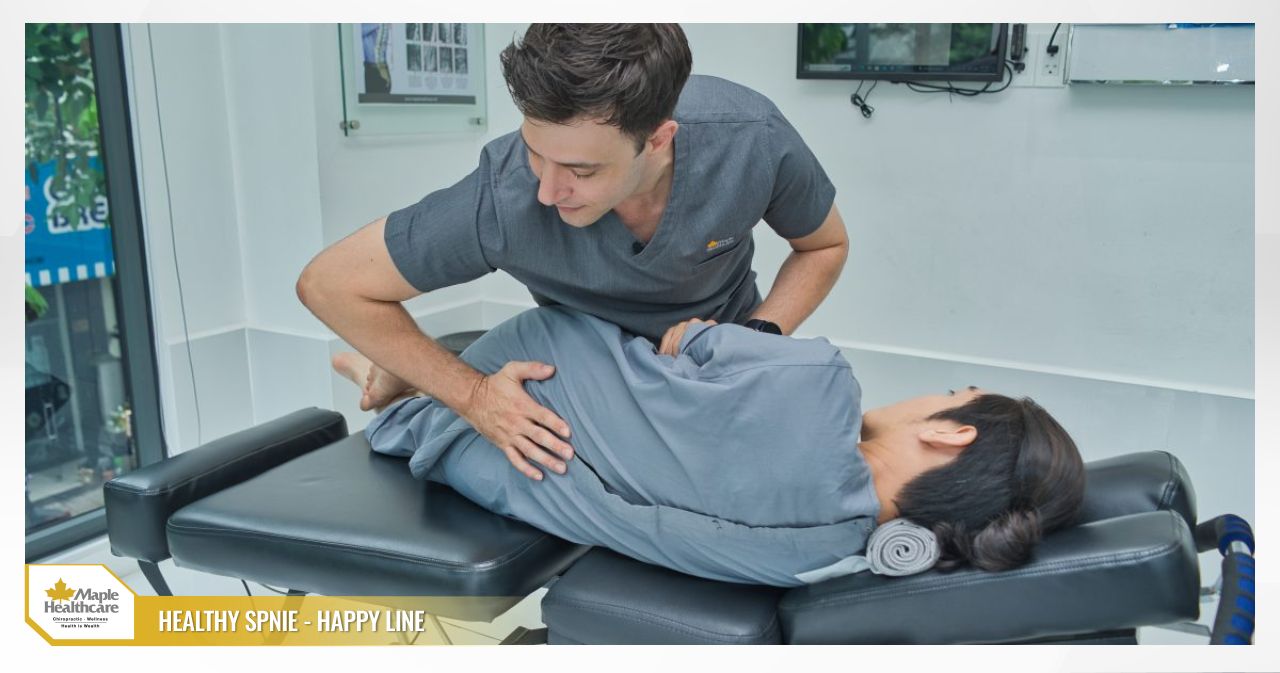
Invasive Interventions and Surgery
These methods are very rarely indicated, especially during pregnancy, and are reserved for severe cases:
- Epidural Steroid Injections: Injecting steroids into the epidural space to reduce local inflammation.
- Surgery: Only considered when red flag signs (cauda equina syndrome) are present or when conservative methods have completely failed and the patient has progressive weakness. Common surgeries include microdiscectomy (removing the herniated portion of the disc) or laminectomy (removing a part of the vertebral arch to decompress the nerves).
Special Treatment Considerations for Pregnancy
- Weight Management: Gain weight appropriately as recommended by your obstetrician.
- Use a Maternity Support Belt: A belly support band can help reduce pressure on the lower back.
- Sleep on Your Left Side: This position helps improve blood circulation for both mother and baby.
Safe At-Home Exercises for Sciatica
General Safety Principles:
- Always warm up gently before exercising.
- Move slowly and listen to your body. Stop immediately if you feel sharp pain or radiating numbness.
- Breathe evenly: Inhale during relaxation, and exhale during the stretching movement.
- Expectant mothers should consult a doctor or physiotherapist to choose suitable exercises.
Some Illustrative Exercises:
- Knee-to-Chest Stretch:
- How to do it: Lie on your back with your knees bent. Use your hands to gently pull one knee towards your chest, holding for 20-30 seconds. Repeat 5 times for each side. (Mothers in late pregnancy can perform a side-lying variation).
- Cat-Camel Pose:
- How to do it: Start on your hands and knees. Inhale as you drop your belly towards the floor and look up. Exhale as you round your spine upwards like a cat, tucking your chin to your chest. Repeat 10-15 times.
- Bridge:
- How to do it: Lie on your back with your knees bent and feet flat on the floor. Slowly lift your hips off the floor until your body forms a straight line from your shoulders to your knees. Hold for 5 seconds, then slowly lower. Repeat 10-12 times. (Pregnant women should adjust the range of motion and holding time).
- Piriformis Stretch (Seated Pigeon Pose Variation):
- How to do it: Sit on a chair and place the ankle of your painful leg on the opposite knee. Keeping your back straight, slowly lean forward until you feel a gentle stretch in your buttock. Hold for 20 seconds, repeat 3 times on each side.
- How to do it: Sit on a chair and place the ankle of your painful leg on the opposite knee. Keeping your back straight, slowly lean forward until you feel a gentle stretch in your buttock. Hold for 20 seconds, repeat 3 times on each side.

Postures for Daily Activities with Sciatica
Changing daily habits can make a big difference:
- Sitting Posture: Use a chair with good back support and place a small pillow or rolled towel in your lower back. Ensure your feet are flat on the floor, with your knees level with or slightly lower than your hips. Stand up and walk around every 30-45 minutes.
- Lifting Posture: Always bend your knees, keep your back straight, and hold the heavy object close to your body. Avoid bending at the waist or twisting while lifting.
- Sleeping Posture for Sciatica: The best position is lying on your side with a pillow between your knees. Use a medium-firm mattress to support the natural curve of your spine.
Nutrition for Sciatica and Recovery Support
A healthy diet can help reduce inflammation and support the recovery process:
- Anti-inflammatory Foods: Increase your intake of fatty fish (rich in omega-3s, like salmon), green leafy vegetables, berries, and nuts. Spices like turmeric also have good anti-inflammatory effects.
- Limit Pro-inflammatory Foods: Reduce your consumption of refined sugars, processed foods, and trans fats.
- Supplement with Vitamins and Minerals: Nutrients like vitamin B12 and magnesium are important for nerve health. However, always consult a doctor before taking any supplements, especially during pregnancy.
How to Prevent Sciatica from Recurring
- Strengthen Your Core: Perform exercises for your abdominal and back muscles 2-3 times a week to create a “natural corset” to protect your spine.
- Exercise Regularly: Low-impact activities like walking, swimming, or gentle cycling are excellent for spinal health.
- Maintain Good Posture: Always be mindful of your posture when sitting, standing, and working.
- Manage Your Weight: Keep your weight within a healthy range to reduce the load on your spine.
When Do You Need Professional Help?
At-home self-care is a crucial first step, but if your pain persists, recurs, or affects your ability to walk and perform daily activities, it’s time to seek professional help.
At Maple Healthcare in Ho Chi Minh City, we understand that every pain has its own story. Our team of chiropractic doctors and physiotherapists will conduct a thorough examination to find the root cause of the problem, then develop a personalized treatment plan that combines advanced, non-drug, non-surgical methods.
Don’t let sciatica hold you back. Contact Maple Healthcare today to get a consultation and start your journey to recovery.
FAQ: Frequently Asked Questions About Sciatica
1. How long does it take to recover from sciatica?
Answer: Recovery time depends on the cause and severity. Mild cases may improve within 4–6 weeks with proper care. Pregnant women often feel much better after giving birth.
2. Should I stay completely still when experiencing acute sciatica?
Answer: It is not recommended. Experts advise only relative rest for the first 1-2 days. Prolonged bed rest can weaken muscles, cause joint stiffness, and slow down recovery.
3. Is chiropractic care effective for sciatica?
Answer: Yes, it is an effective and safe conservative treatment method, especially when the cause is related to spinal misalignments or a herniated disc. You should seek out well-trained and experienced chiropractic doctors.
4. When do I need an MRI to diagnose sciatica?
Answer: A doctor usually orders an MRI when the pain does not improve after a period of conservative treatment, or when there are severe neurological symptoms such as progressive muscle weakness, loss of sensation, or bowel/bladder dysfunction.
5. Is it good for pregnant women with sciatica to wear a maternity support belt?
Answer: Yes, a maternity support belt can provide temporary support and reduce the load on the spine, helping to relieve pain. However, it is only a supportive measure and should not be overused. It should be combined with core strengthening exercises as guided by a professional.
Related Articles:
Sciatica: Causes, Symptoms, and Expert Treatment at Maple Healthcare
How Dangerous Are the Complications of Spinal Degeneration, and How Can They Be Prevented?
Contact for consultation
MAPLE INTERNATIONAL CO., LTD
Phone: 0705 100 100
Tax code: 0311948301
Date Range: 21 - 08 - 2012
Issued: Department of Planning and Investment of Ho Chi Minh City
Medical Practice License: No. 08834/HCM-GPHĐ
Healthcare Group Members



Contact Us
COPYRIGHT