How does Acupuncture work?
Traditional Approach
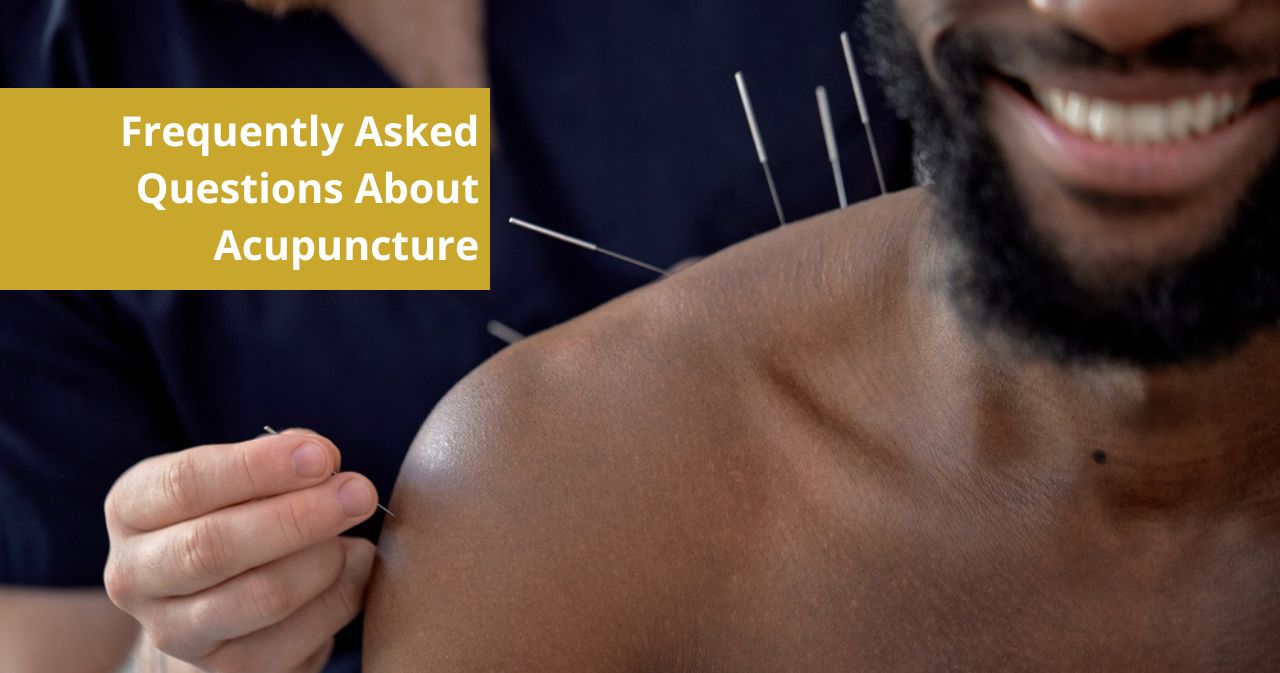
The human body contains vital energy, or Qi. When symptoms or disease appear, the flow of this energy is blocked or imbalanced. Acupuncture stimulates specific points on the body to restore a harmonious flow of energy.
Conventional Approach
In evidence-based terms, acupuncture is understood to release hormones and neurotransmitters such as endorphins and histamine, modulate the nervous system, influence blood circulation, and produce biomechanical effects at myofascial trigger points — areas where fascia and muscle have thickened and stopped gliding normally against neighbouring tissue.
Put simply: acupuncture triggers a range of the body's own self-regulating mechanisms — increasing local blood circulation, improving the clearance of metabolic waste, easing pain and tension, supporting immune function, calming the nervous system, and promoting relaxation and sleep.
What can Acupuncture treat?
Acupuncture's activation of the body's self-regulating mechanisms can help improve:
- • Pain and tension of many kinds — headaches and migraines
• Menstrual disorders — skin disorders
• Allergic reactions — sinusitis and rhinitis
• Digestive issues — urination difficulties
• High and low blood pressure — sleep disorders
• And more
Does Acupuncture hurt?
Not really — you may feel a brief prick, and at some points a numb, tingling, warm, electric, pressure, or achy sensation. These sensations are normal and are generally taken as a sign the point is engaging the tissue as intended.
Are there any side effects?
Mild soreness for a day or two after early sessions is common — similar to muscle soreness after exercise — and reflects the tissue responding to treatment. Minor bruising or swelling at the needle site can occur and is not usually a concern.
Relaxation, reduced stress, and drowsiness afterward are expected effects, not side effects; acupuncture shifts the body out of a stressed “overdrive” state, and a genuine sense of fatigue can follow as that stress releases. Serious side effects are rare when treatment is performed by a trained, experienced acupuncturist.
Why did today's session feel more sensitive than last time?
Increased sensitivity often reflects genuine change in the tissue and nervous system, but mood, weather, stress, time of day, and other factors can also affect how a session feels. Point selection is adjusted session to session in response to your progress.
Can I prepare for a treatment?
Yes. Avoid arriving hungry or dehydrated, and avoid strenuous exercise right before or for a couple of hours after your session, since intense activity can work against the tissue changes treatment is trying to encourage. Good personal hygiene beforehand is appreciated.
How many treatments do I need, and how often?
Every treatment plan is individual, depending on whether your condition is acute, chronic, or maintenance-stage. Acute issues usually need more frequent visits initially, tapering off as symptoms improve. Ten to twenty sessions, spaced anywhere from daily to monthly, is typical.
What can I do to get the most out of treatment?
- • Drink water steadily through the day — roughly 30ml per kilogram of body weight (about 1.8L for a 60kg adult) — since fascia's ground substance depends on hydration to stay fluid and glide properly
• Keep your body warm; cold tissue is stiffer and less responsive to treatment
• Keep cold-therapy sessions under 20 minutes if used, 2–4 times a day
• Favour whole, minimally processed foods
• Build in regular rest, breathing, and relaxation practice alongside movement — both matter; neither total rest nor constant activity alone supports healthy tissue
• Make movement a daily habit rather than an occasional, intense session
What's the difference between acupuncture, dry needling, injection therapy, and facial acupuncture?
Acupuncture inserts very fine needles at specific points to stimulate the release of neurotransmitters (histamine, endorphin, acetylcholine), engage the nervous system, and support the autonomic balance between its stress and rest states. It's commonly used for pain and tension, headaches, allergies, sinusitis, blood pressure irregularities, digestive and menstrual issues, and sleep disorders. It may be combined with acupressure massage or Gua Sha depending on the case.
Dry Needling targets tender myofascial trigger points specifically, and is often combined with chiropractic adjustment. It was developed in the 1970s specifically for myofascial pain syndromes and shares real overlap with the fascial mechanism behind acupuncture, even though the two traditions developed independently.
Acupuncture Injection Therapy (Wet Needling) adds a small volume of sterile solution at acupuncture or trigger points, intensifying the local tissue stimulation. It's often used for injuries, chronic back pain, and joint or tension conditions.
Facial Acupuncture stimulates circulation and collagen production in the skin and underlying connective tissue, producing a natural firming and tightening effect without the risks of surgery.

Related Articles:
- Acupuncture Service at Maple Healthcare Vietnam
- Headaches and Migraines Treatment with Acupuncture
- Joint Pain Treatment With Acupuncture in Vietnam
- Low Back Pain And Sciatica Treatment With Acupuncture
- Neck Pain And Tension Treatment With Acupuncture
- Heartburn & Gastroesophageal Reflux Disease (GERD) treatment
- Insomnia and Sleep Disorders Treatment With Acupuncture
Contact for consultation
MAPLE INTERNATIONAL CO., LTD
Phone: 0705 100 100
Tax code: 0311948301
Date Range: 21 - 08 - 2012
Issued: Department of Planning and Investment of Ho Chi Minh City
Medical Practice License: No. 08834/HCM-GPHĐ
Healthcare Group Members



Contact Us
COPYRIGHT